Last updated: August 30, 2026
Arizona has a small, concentrated pool of allergists and immunologists, most of them clustered around Phoenix and its surrounding metro area. That concentration matters if you’re building outreach lists, recruiting for a clinic, or trying to reach these specialists for research or partnership purposes — the right contact data matters more than volume when the specialty itself is niche.
This page covers what allergy and immunology practice looks like in Arizona, why outdated contact information causes real problems for recruiters and marketers, and how a healthcare contact database like Heartbeat.ai fits into that workflow.
What’s on this page:
Allergy and Immunology Care in Arizona
Phoenix is the hub for allergy and immunology services in Arizona, and pediatric care in particular is well established there. Phoenix Children’s Allergy & Immunology Clinic provides care for children with allergic diseases and disorders, including asthma, food allergy, hay fever and eczema. The clinic doesn’t operate in isolation — it is affiliated with the Pediatric Pulmonology Department, allowing access to the Pediatric Respiratory Lab, which reflects how allergy and immunology work often overlaps with related specialties in practice.
Phoenix Children’s also trains future specialists. The Phoenix Children’s Allergy & Immunology Fellowship Program trains allergists and immunologists who deliver patient-centered care across the lifespan, and Phoenix Children’s and Mayo Clinic partner to offer fellows a collaborative training experience. That academic pipeline is worth noting for recruiters: fellowship graduates are a recurring source of new hires for allergy and immunology practices statewide.
Beyond Phoenix Children’s, larger regional health systems in the state operate their own allergy and immunology clinics, contributing to a fragmented but functioning specialty network across Arizona.
Why Accurate Contact Data Matters for This Specialty
Allergists and immunologists are a small specialty relative to primary care or even other subspecialties, which makes bad contact data more costly per record. A short list of why accuracy matters here:
- Recruitment — with a limited candidate pool statewide, one bad email or disconnected number can mean missing a qualified specialist entirely, not just delaying a response.
- Referral and partnership building — practices coordinating on complex cases (severe food allergy, immunodeficiency, biologics) need working direct lines, not front-desk numbers that get forwarded three times.
- Vendor and device outreach — companies selling diagnostic tools, biologics, or practice-management software rely on current professional emails to reach decision-makers directly.
- Research and academic outreach — reaching fellowship-trained specialists for studies or collaboration depends on knowing who’s currently practicing and where.
What Makes Finding These Contacts Difficult
A few practical obstacles come up repeatedly when people try to build a list of allergists and immunologists in Arizona on their own:
- Small specialty, scattered listings. Because there are relatively few practitioners statewide, generic physician directories often list outdated or duplicate entries.
- Geographic spread. Arizona’s rural areas have far less specialist density than Phoenix, so patients and outreach professionals outside the metro area face longer searches.
- Job and practice turnover. Specialists move between hospital systems, private practice, and academic positions, which makes hospital directory listings go stale faster than expected.
- Front-desk gatekeeping. General practice phone numbers rarely connect you directly with a physician, which slows down time-sensitive recruitment or partnership conversations.
Get an Allergist and Immunologist Contact List From Heartbeat
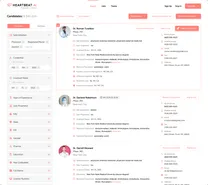
Heartbeat.ai’s platform lets you search licensed healthcare professionals across the U.S., including allergists and immunologists, using filters for specialization, location, and license status. You can narrow results down to Arizona specifically, or to a sub-specialty like pediatric allergy or clinical immunology, and reach out directly.
The database spans a range of allergy and immunology sub-specializations — pediatric allergists, clinical immunologists, food allergy specialists, and researchers working in immunology — so whether you need a broad list or a narrow one, the filtering does the heavy lifting.
What’s Included in a Heartbeat Contact Record
Each record in a Heartbeat allergist and immunologist contact list typically includes:
- Name
- Location
- Contact numbers (work, cell, mobile)
- Email address
- Specialization
- Years of experience
- Sole proprietor status
- Licensed states
- License number
- Fax
- Address
Allergist and Immunologist Contact Lists by State
Explore comprehensive contact lists for allergists and immunologists across different states.
| Allergist and immunologist by states |
|---|
| Allergist and immunologist in Alabama |
| Allergist and immunologist in Alaska |
| Allergist and immunologist in Arizona |
| Allergist and immunologist in Arkansas |
| Allergist and immunologist in California |
| Allergist and immunologist in Colorado |
| Allergist and immunologist in Connecticut |
| Allergist and immunologist in Delaware |
| Allergist and immunologist in Florida |
| Allergist and immunologist in Georgia |
| Allergist and immunologist in Hawaii |
| Allergist and immunologist in Idaho |
| Allergist and immunologist in Illinois |
| Allergist and immunologist in Indiana |
| Allergist and immunologist in Iowa |
| Allergist and immunologist in Kansas |
| Allergist and immunologist in Kentucky |
| Allergist and immunologist in Louisiana |
| Allergist and immunologist in Maine |
| Allergist and immunologist in Maryland |
| Allergist and immunologist in Massachusetts |
| Allergist and immunologist in Michigan |
| Allergist and immunologist in Minnesota |
| Allergist and immunologist in Mississippi |
| Allergist and immunologist in Missouri |
| Allergist and immunologist in Montana |
| Allergist and immunologist in Nebraska |
| Allergist and immunologist in Nevada |
| Allergist and immunologist in New hampshire |
| Allergist and immunologist in New jersey |
| Allergist and immunologist in New mexico |
| Allergist and immunologist in New york |
| Allergist and immunologist in North carolina |
| Allergist and immunologist in North dakota |
| Allergist and immunologist in Ohio |
| Allergist and immunologist in Oklahoma |
| Allergist and immunologist in Oregon |
| Allergist and immunologist in Pennsylvania |
| Allergist and immunologist in Rhode island |
| Allergist and immunologist in South carolina |
| Allergist and immunologist in South dakota |
| Allergist and immunologist in Tennessee |
| Allergist and immunologist in Texas |
| Allergist and immunologist in Utah |
| Allergist and immunologist in Vermont |
| Allergist and immunologist in Virginia |
| Allergist and immunologist in Washington |
| Allergist and immunologist in West virginia |
| Allergist and immunologist in Wisconsin |
| Allergist and immunologist in Wyoming |
How Heartbeat Builds Its Contact Data
Heartbeat.ai aggregates healthcare provider information — including cell phone numbers and personal email addresses — from a wide range of public and private sources, then applies predictive modeling to fill in gaps where a direct match isn’t available. That approach is designed to reduce the manual research time recruiters and marketers would otherwise spend chasing down current contact details for a specialty as narrow as allergy and immunology.
Because contact data changes constantly — physicians switch employers, get new email domains, or move between states — no database is ever fully current. It’s worth treating any purchased list as a strong starting point rather than a guaranteed-accurate final answer, and verifying critical contacts before high-stakes outreach.
Who Uses Allergist and Immunologist Contact Lists
A range of professionals rely on this kind of data for different reasons:
- Recruiters and staffing agencies filling open allergy and immunology positions
- Medical device and pharma sales teams reaching specialists directly rather than through gatekeepers
- Healthcare marketers running targeted outreach to a defined specialist audience
- Researchers recruiting participants or collaborators for studies
- Practice consultants and brokers connecting specialists with new opportunities
Using These Lists Well
A few practical guidelines make outreach more effective and less likely to be ignored or flagged as spam:
- Lead with something specific to the recipient’s specialization rather than a generic pitch.
- Keep initial messages short — specialists get plenty of cold outreach and skim quickly.
- Confirm licensing and current practice location before treating a contact as verified, since directory data can lag behind real-world job changes.
- Respect opt-outs and unsubscribe requests immediately; this is both good practice and a compliance requirement for commercial email.
Limitations Worth Knowing
No contact database, including Heartbeat’s, can guarantee real-time accuracy for every record. Physicians change jobs, retire, or move states without every directory catching up immediately. Treat aggregated contact data as a research accelerant, not a substitute for direct verification when the outreach matters — a licensing lookup or a quick call to confirm still has a place in the workflow, especially for recruitment decisions.
Frequently Asked Questions
What services do allergists and immunologists in Arizona provide?
They provide allergy testing, immunotherapy, asthma management, and treatment of immune system disorders, including pediatric-specific care at facilities like Phoenix Children’s.
How do I find a reputable allergist and immunologist in Arizona?
Ask for a referral from a primary care physician, check hospital directory listings, and verify credentials and current practice location before scheduling.
Are allergists and immunologists in Arizona able to treat both children and adults?
Many are, though some practices and fellowship-trained specialists focus specifically on pediatric or adult populations — it’s worth confirming before referring or scheduling.