Last updated: August 31, 2026
Alaska has one of the smallest allergist and immunologist populations of any state, which makes finding and reaching the right specialist a genuinely different challenge than in a place like California or Texas. This guide breaks down why accurate contact data matters here, what makes Alaska’s provider landscape unusual, and how recruiters, marketers, and healthcare organizations can build outreach lists that actually work.
What’s on this page:
Get Contact Data for Allergists and Immunologists in Alaska from Heartbeat
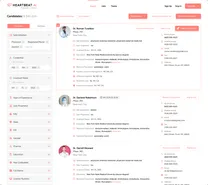
Heartbeat.ai maintains searchable contact data on licensed healthcare professionals across the United States, including allergists and immunologists practicing in Alaska. You can filter by specialty, location, license status, and other criteria to narrow down the exact profiles you need.
The specialty itself covers a range of practice types, and it helps to know the distinctions when you’re sourcing candidates or building a targeted outreach list:
- Pediatric allergists diagnose and manage allergies and immune disorders in children.
- Clinical immunologists treat diseases and conditions rooted in immune system dysfunction.
- Food allergists focus on identifying and managing food-related allergic reactions.
- Drug allergists specialize in medication-related allergic responses.
- Insect allergists address reactions to insect bites and stings.
- Allergy and asthma specialists manage overlapping respiratory and allergic conditions.
- Research immunologists study immune system disorders, including allergic disease, often within academic or hospital-affiliated settings.
Knowing which subtype you’re targeting up front saves time later, since not every allergist-immunologist profile in a contact list will match a specific recruiting or marketing need.
The Healthcare Landscape for Allergy and Immunology in Alaska
Alaska’s small population and geographic spread mean the specialist pool is limited compared to more densely populated states. Healthgrades data shows there are 12 specialists practicing Allergy & Immunology in Alaska with an overall average rating of 4.3 stars, and most are concentrated in Anchorage. There are 5 hospitals near Anchorage, AK with affiliated Allergy & Immunology specialists, including Providence Alaska Medical Center, Alaska Native Medical Center and Alaska Regional Hospital.
Providence Alaska Medical Center is a major referral hospital in the state; Providence Alaska Medical Center is Alaska’s largest hospital by revenue and number of beds, and it has 401 beds, 1190 nurses and more than 850 physicians on staff. The Alaska Native Medical Center, meanwhile, offers comprehensive medical services and acute, specialty, primary and behavioral health care to Alaska Native and American Indian people living in Alaska, and includes allergy and immunology among its listed specialty services.
Given Alaska’s small specialist count, sourcing accurate, current contact information matters more here than in states with larger, redundant provider pools — there’s simply less margin for outdated or duplicate records.
Why Accurate Contact Information Matters
Accurate contact details serve three distinct groups differently:
- Patients need current numbers to schedule appointments or ask about medication and treatment logistics without wasted calls to disconnected lines.
- Recruiters and healthcare staffing teams depend on verified contact data to reach the right candidates for open positions without burning time on dead leads — a bigger risk in a state with so few specialists to begin with.
- Peers and researchers use professional contact information to collaborate, refer patients, or exchange clinical updates.
In a state where the specialist pool is this small, even one or two bad contacts in a list can meaningfully shrink your effective reach.
Challenges in Finding Allergists and Immunologists in Alaska
Alaska’s geography works against easy access to specialists. Long distances between communities, limited local demand, and higher operating costs all contribute to fewer allergy and immunology practices outside Anchorage. For patients, this often means longer wait times or travel for in-person visits.
Two tools have made a real difference in narrowing this gap:
- Telemedicine allows patients in remote areas to consult with specialists without traveling, cutting both cost and delay for follow-up care and ongoing management.
- Provider databases let recruiters, marketers, and patients filter specialists by location, credentials, and specialty, rather than relying on word of mouth or outdated directory listings.
Neither fully solves the underlying supply issue, but together they reduce the friction of finding the right person once you know who you’re looking for.
What a Heartbeat Contact List Includes
Heartbeat’s provider records are built to give recruiters, marketers, and networking professionals a full working profile rather than just a name and phone number:
- Allergist and immunologist name
- Location
- Contact numbers (work, cell, mobile)
- Email address
- Specialization
- Years of experience
- Sole proprietor status
- Licensed states
- License number
- Fax
- Address
Allergists and Immunologists by State
Browse contact data for allergists and immunologists in other states:
| Allergist and immunologist by states |
|---|
| Allergist and immunologist in Alabama |
| Allergist and immunologist in Alaska |
| Allergist and immunologist in Arizona |
| Allergist and immunologist in Arkansas |
| Allergist and immunologist in California |
| Allergist and immunologist in Colorado |
| Allergist and immunologist in Connecticut |
| Allergist and immunologist in Delaware |
| Allergist and immunologist in Florida |
| Allergist and immunologist in Georgia |
| Allergist and immunologist in Hawaii |
| Allergist and immunologist in Idaho |
| Allergist and immunologist in Illinois |
| Allergist and immunologist in Indiana |
| Allergist and immunologist in Iowa |
| Allergist and immunologist in Kansas |
| Allergist and immunologist in Kentucky |
| Allergist and immunologist in Louisiana |
| Allergist and immunologist in Maine |
| Allergist and immunologist in Maryland |
| Allergist and immunologist in Massachusetts |
| Allergist and immunologist in Michigan |
| Allergist and immunologist in Minnesota |
| Allergist and immunologist in Mississippi |
| Allergist and immunologist in Missouri |
| Allergist and immunologist in Montana |
| Allergist and immunologist in Nebraska |
| Allergist and immunologist in Nevada |
| Allergist and immunologist in New hampshire |
| Allergist and immunologist in New jersey |
| Allergist and immunologist in New mexico |
| Allergist and immunologist in New york |
| Allergist and immunologist in North carolina |
| Allergist and immunologist in North dakota |
| Allergist and immunologist in Ohio |
| Allergist and immunologist in Oklahoma |
| Allergist and immunologist in Oregon |
| Allergist and immunologist in Pennsylvania |
| Allergist and immunologist in Rhode island |
| Allergist and immunologist in South carolina |
| Allergist and immunologist in South dakota |
| Allergist and immunologist in Tennessee |
| Allergist and immunologist in Texas |
| Allergist and immunologist in Utah |
| Allergist and immunologist in Vermont |
| Allergist and immunologist in Virginia |
| Allergist and immunologist in Washington |
| Allergist and immunologist in West virginia |
| Allergist and immunologist in Wisconsin |
| Allergist and immunologist in Wyoming |
How Heartbeat Compiles This Data
Heartbeat.ai sources healthcare provider contact information from a range of official, private, and public sources, then matches records against cell phone and personal email data to keep listings current. Because Alaska has so few practicing allergists and immunologists, keeping this specific dataset fresh matters more than in states where the specialist pool self-corrects through sheer volume.
No contact database, including this one, will ever be perfectly current in real time — providers change practices, retire, or update contact details faster than any directory can track. Treat any list as a strong starting point for outreach, not a guarantee of a live line on the first attempt.
Who Uses Allergist and Immunologist Contact Lists?
- Healthcare recruiters sourcing candidates for open specialist roles
- Medical device and pharma marketers targeting allergy and immunology practices
- Referral networks and primary care groups building specialist relationships
- Researchers and professional associations coordinating outreach for studies or conferences
Using These Lists Responsibly
A contact list is only as useful as the outreach built around it. A few practical guardrails:
- Get consent where required before direct marketing outreach, and honor opt-outs promptly.
- Keep messaging specific — a generic pitch to an allergist gets ignored faster than one referencing their actual specialty or practice setting.
- Respect applicable privacy and communication laws when contacting healthcare professionals directly.
- Update your own records periodically rather than treating any single data pull as permanent.
Conclusion
Alaska’s allergist and immunologist workforce is small and concentrated mostly around Anchorage, which makes accurate, current contact data more valuable — and harder to maintain — than in larger states. Whether you’re recruiting, marketing, or building referral relationships, starting with a verified list saves time that would otherwise go into chasing outdated numbers.
Frequently Asked Questions
What services do allergists and immunologists in Alaska provide?
Allergists and immunologists in Alaska provide services such as allergy testing, allergy shots, and treatment for asthma, hay fever, eczema, and immune system disorders.
How can I find a reputable allergist and immunologist in Alaska?
Ask for referrals from a primary care physician, check with an insurance provider for in-network specialists, or search verified provider directories and hospital affiliation listings.
How many allergy and immunology specialists practice in Alaska?
Provider directories list roughly a dozen allergy and immunology specialists practicing in Alaska, most concentrated in the Anchorage area near hospitals such as Providence Alaska Medical Center and Alaska Native Medical Center.