Last updated: August 30, 2026
Recruiters, marketers, and healthcare organizations working in Utah often run into the same problem: advanced practice nurses (APNs) are hard to reach through public directories alone. Licensure boards list credentials, not working phone numbers or personal email addresses, and generic web searches turn up outdated clinic listings. A verified, specialty-tagged contact database solves a specific operational problem rather than a marketing one — it cuts the time spent chasing bad leads.
What’s on this page:
Get an Email List of Advanced Practice Nurses in Utah from Heartbeat
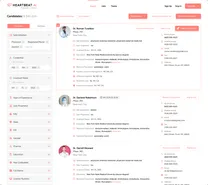
Heartbeat.ai maintains a searchable database of licensed healthcare professionals across the United States, including nurse practitioners, certified nurse midwives, clinical nurse specialists, and certified registered nurse anesthetists. You can filter by specialty, location, license type, and other criteria to build a list matched to a specific hiring or outreach goal, then export verified contact details.
Advanced Practice Nursing in Utah: A Quick Overview
Utah’s advanced practice nursing workforce includes nurse practitioners, certified nurse midwives, clinical nurse specialists, and certified registered nurse anesthetists, working across systems that include the University of Utah Hospital, Intermountain Health facilities, and Primary Children’s Hospital. These systems also function as teaching and research hubs, which shapes ongoing demand for specialized nursing talent in the state.
One factor that sets Utah apart from many states: nurse practitioners there now have full practice authority. Utah passed House Bill 287 in 2021, establishing full practice authority for NPs and removing the requirement for a signed consultation and referral agreement with a physician for schedule II prescriptive authority. Under full practice authority, state practice and licensure laws permit NPs to evaluate patients, diagnose, order and interpret diagnostic tests, and initiate and manage treatments, including prescribing medications and controlled substances, under the exclusive licensure authority of the state board of nursing. That regulatory shift matters for recruiters: it makes Utah a more attractive market for NPs considering independent or lower-oversight roles, which affects both retention and the competitive landscape for hiring.
Why Accurate Contact Information Matters
Outdated or incomplete contact data creates friction in three areas that matter to anyone working with this workforce:
- Care coordination — patients, referring clinicians, and care teams need a reliable way to reach an APN without routing through a general clinic line.
- Recruitment — hospitals, clinics, and staffing agencies need direct lines to fill open positions quickly, particularly in specialties where demand outpaces supply.
- Professional networking — nursing practice depends on peer collaboration, mentoring, and knowledge-sharing, all of which stall when contact details are stale.
A directory that hasn’t been updated in a year or two tends to fail exactly when it’s needed most — during a hiring push or an urgent staffing gap.
Why Sourcing APNs in Utah Can Be Difficult
A few structural factors make Utah recruitment harder than a straightforward search suggests:
- Workforce shortages in rural and underserved parts of the state, where fewer clinicians are willing to relocate.
- Regional competition from neighboring states offering comparable or higher pay.
- Workforce turnover and burnout, which reduces the pool of clinicians actively open to new roles at any given time.
- Regulatory shifts — even in a full practice authority state, credentialing timelines and payer enrollment rules can slow down onboarding after a hire is made.
Technology helps close some of these gaps, but it doesn’t eliminate them. A verified contact database speeds up outreach and reduces wasted effort chasing disconnected numbers or bounced emails, but it can’t manufacture candidates where the workforce is genuinely thin. Telehealth can extend an APN’s reach into underserved areas without relocation, and administrative tools that reduce documentation burden may help with retention, but neither substitutes for accurate contact data at the top of the recruiting funnel.
What’s Included in Heartbeat’s Advanced Practice Nurse Contact Data
Heartbeat’s database organizes verified contact and credential details for APNs, structured for direct outreach rather than general reference. Fields typically include:
- Advanced practice nurse name
- Location
- Contact numbers (work, cell, mobile)
- Email address
- Specialization
- Years of experience
- Sole proprietor status
- Licensed states
- License number
- Fax
- Address
Advanced Practice Nurses by State
Browse contact data for advanced practice nurses in other states below.
| Advanced practice nurses by states |
|---|
| Advanced practice nurses in Alabama |
| Advanced practice nurses in Alaska |
| Advanced practice nurses in Arizona |
| Advanced practice nurses in Arkansas |
| Advanced practice nurses in California |
| Advanced practice nurses in Colorado |
| Advanced practice nurses in Connecticut |
| Advanced practice nurses in Delaware |
| Advanced practice nurses in Florida |
| Advanced practice nurses in Georgia |
| Advanced practice nurses in Hawaii |
| Advanced practice nurses in Idaho |
| Advanced practice nurses in Illinois |
| Advanced practice nurses in Indiana |
| Advanced practice nurses in Iowa |
| Advanced practice nurses in Kansas |
| Advanced practice nurses in Kentucky |
| Advanced practice nurses in Louisiana |
| Advanced practice nurses in Maine |
| Advanced practice nurses in Maryland |
| Advanced practice nurses in Massachusetts |
| Advanced practice nurses in Michigan |
| Advanced practice nurses in Minnesota |
| Advanced practice nurses in Mississippi |
| Advanced practice nurses in Missouri |
| Advanced practice nurses in Montana |
| Advanced practice nurses in Nebraska |
| Advanced practice nurses in Nevada |
| Advanced practice nurses in New hampshire |
| Advanced practice nurses in New jersey |
| Advanced practice nurses in New mexico |
| Advanced practice nurses in New york |
| Advanced practice nurses in North carolina |
| Advanced practice nurses in North dakota |
| Advanced practice nurses in Ohio |
| Advanced practice nurses in Oklahoma |
| Advanced practice nurses in Oregon |
| Advanced practice nurses in Pennsylvania |
| Advanced practice nurses in Rhode island |
| Advanced practice nurses in South carolina |
| Advanced practice nurses in South dakota |
| Advanced practice nurses in Tennessee |
| Advanced practice nurses in Texas |
| Advanced practice nurses in Utah |
| Advanced practice nurses in Vermont |
| Advanced practice nurses in Virginia |
| Advanced practice nurses in Washington |
| Advanced practice nurses in West virginia |
| Advanced practice nurses in Wisconsin |
| Advanced practice nurses in Wyoming |
How the Data Is Compiled
Heartbeat pulls from a mix of official, private, and public sources to build and maintain records for healthcare providers nationwide, pairing license and specialty data with direct cell numbers and personal email addresses where available. Records are refreshed on an ongoing basis rather than compiled once and left static, which matters in a field where clinicians change employers, locations, and contact details often.
Because the underlying sources vary in freshness, no contact database can guarantee 100% accuracy for every record at every moment. Treat match rates as directional, and build a verification step — a bounce check, a quick confirmation call — into any large outreach campaign rather than assuming every record is current.
Who Uses an Advanced Practice Nurse Contact List
Typical users include healthcare staffing agencies, hospital and clinic recruiters, medical device and pharmaceutical marketers, professional associations doing member outreach, and researchers conducting workforce surveys. Whatever the purpose, use of contact data should stay compliant with applicable privacy and communication laws, including opt-out requirements for marketing emails and calls.
A Practical Workflow for Using the List
- Define the target profile. Specialty, years of experience, and licensure state matter more than a broad, unfiltered list.
- Segment by intent. Separate recruitment outreach from marketing outreach — the tone and offer should differ.
- Lead with a clear, concise message. State the reason for contact early; APNs are busy clinicians, not a captive audience.
- Respect response signals. Stop outreach promptly for anyone who opts out or doesn’t respond after reasonable follow-up.
- Track outcomes. Response and placement rates tell you whether the list segment is worth reusing for future campaigns.
Limitations to Keep in Mind
A contact database narrows the search for qualified APNs, but it doesn’t resolve underlying workforce shortages in rural or underserved areas, nor does it override credentialing and licensure timelines once a candidate is identified. It’s a sourcing and outreach tool, not a substitute for competitive compensation, reasonable working conditions, or compliant hiring practices.
Frequently Asked Questions
What are the requirements to become an advanced practice nurse in Utah?
Candidates typically complete a graduate-level nursing program, obtain national certification in their specialty, and hold a Utah state nursing license that meets Utah Board of Nursing requirements.
What are the different types of advanced practice nurses in Utah?
Common APRN roles in Utah include nurse practitioner, certified registered nurse anesthetist, clinical nurse specialist, and certified nurse midwife, each with its own education, certification, and licensure path.
What is the scope of practice for advanced practice nurses in Utah?
Utah passed legislation in 2021 establishing full practice authority for nurse practitioners, meaning NPs can evaluate patients, diagnose, order and interpret diagnostic tests, and initiate and manage treatments, including prescribing medications, under the licensure authority of the state board of nursing. Exact scope details can vary by specialty and should be confirmed with the Utah Board of Nursing.