Last updated: August 28, 2026

Reaching addiction psychiatrists through cold outreach alone rarely works. Their inboxes are full, their schedules are tight, and generic pitches get deleted fast. A verified, well-segmented email and phone list changes the math: instead of guessing who might be interested, you’re contacting people whose specialty, location, and practice setting already match what you’re offering.
Compiling that kind of list in-house is difficult. State licensing boards, NPI registries, and professional associations each hold pieces of the picture, and none of them update in real time. That’s the gap a purpose-built healthcare contact database is meant to close. Below, we cover what’s typically included in an addiction psychiatrist contact list, how these lists get built, who uses them, and what to check before you buy one.
What’s on this page:
What You Get in an Addiction Psychiatrist Email List
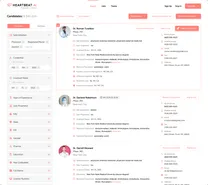
A usable list should give you more than a name and an email address. Look for these fields when comparing providers:

- Location-based filtering: the ability to narrow contacts by state, city, or region rather than working through a national list one entry at a time.
- Verified, current contact details: a periodic refresh process that removes retired or relocated providers and flags outdated numbers.
- Multiple contact channels: email address and phone number together, so outreach isn’t limited to one method.
- Professional context: years in practice, board certification status, and practice setting, which help you decide who’s actually a fit before you send anything.
- Compliance-minded sourcing: a provider that documents where its data comes from and follows applicable data privacy rules.
Typical Data Fields
- Psychiatrist name
- Location
- Contact numbers (work, cell, mobile)
- Email address
- Specialization
- Years of experience
- Sole proprietor status
- Licensed states
- License number
- Fax
- Address
 Accuracy & coverage of personal contact info were unrivaled by other platforms… this gives any healthcare recruiter a competitive advantage when engaging hard-to-reach healthcare providers.
Senior Growth Strategist






Why a Targeted List Outperforms a Generic One
The benefit of a targeted list isn’t just volume, it’s relevance. A few practical effects worth noting:
- Fewer wasted sends: contacting psychiatrists who actually treat addiction, rather than a broad psychiatry list, cuts down on irrelevant outreach.
- Better open and reply rates: messages that reference a recipient’s specialty or setting tend to read as less generic, which affects whether they get opened at all.
- Shorter sales cycles: when the audience is already a fit, fewer qualifying conversations are needed before a real discussion starts.
- More useful follow-up: having a phone number alongside an email gives you a second channel when email goes unanswered, which is common in busy clinical practices.
Learn more about our pharmacists email list offerings and gain access to a network of qualified professionals committed to addressing addiction-related challenges.
Who Shows Up in an Addiction Psychiatrist List, by Category
Lists in this space typically include a mix of related specialties, not just psychiatrists holding an addiction subspecialty certification.
| Specialization |
| Addiction Medicine Specialist |
| Addiction Psychiatrist |
| Addiction Counselors |
| Psychologists |
| Psychiatrists |
| Psychiatric Mental Health Nurse Practitioners |
| Child Psychiatrist Nurses |
| Counseling Psychologists |
Addiction Psychiatrists Available by State
Coverage varies by state depending on how many licensed providers practice there and how actively boards publish data. Below is the state breakdown used in our directory structure.
| Addiction Psychiatrist By States |
| Addiction Psychiatrist in Alabama |
| Addiction Psychiatrist in Alaska |
| Addiction Psychiatrist in Arizona |
| Addiction Psychiatrist in Arkansas |
| Addiction Psychiatrist in California |
| Addiction Psychiatrist in Colorado |
| Addiction Psychiatrist in Connecticut |
| Addiction Psychiatrist in Delaware |
| Addiction Psychiatrist in Florida |
| Addiction Psychiatrist in Georgia |
| Addiction Psychiatrist in Hawaii |
| Addiction Psychiatrist in Idaho |
| Addiction Psychiatrist in Illinois |
| Addiction Psychiatrist in Indiana |
| Addiction Psychiatrist in Iowa |
| Addiction Psychiatrist in Kansas |
| Addiction Psychiatrist in Kentucky |
| Addiction Psychiatrist in Louisiana |
| Addiction Psychiatrist in Maine |
| Addiction Psychiatrist in Maryland |
| Addiction Psychiatrist in Massachusetts |
| Addiction Psychiatrist in Michigan |
| Addiction Psychiatrist in Minnesota |
| Addiction Psychiatrist in Mississippi |
| Addiction Psychiatrist in Missouri |
| Addiction Psychiatrist in Montana |
| Addiction Psychiatrist in Nebraska |
| Addiction Psychiatrist in Nevada |
| Addiction Psychiatrist in New Hampshire |
| Addiction Psychiatrist in New Jersey |
| Addiction Psychiatrist in New Mexico |
| Addiction Psychiatrist in New York |
| Addiction Psychiatrist in North Carolina |
| Addiction Psychiatrist in North Dakota |
| Addiction Psychiatrist in Ohio |
| Addiction Psychiatrist in Oklahoma |
| Addiction Psychiatrist in Oregon |
| Addiction Psychiatrist in Pennsylvania |
| Addiction Psychiatrist in Rhode Island |
| Addiction Psychiatrist in South Carolina |
| Addiction Psychiatrist in South Dakota |
| Addiction Psychiatrist in Tennessee |
| Addiction Psychiatrist in Texas |
| Addiction Psychiatrist in Utah |
| Addiction Psychiatrist in Vermont |
| Addiction Psychiatrist in Virginia |
| Addiction Psychiatrist in Washington |
| Addiction Psychiatrist in West Virginia |
| Addiction Psychiatrist in Wisconsin |
| Addiction Psychiatrist in Wyoming |
How This Kind of List Gets Built
Quality contact data doesn’t come from scraping a directory once and calling it done. A defensible process generally looks like this:
- Sourcing from credible channels: medical boards, professional associations, and healthcare networks rather than unverified web listings.
- Cross-referencing entries: checking license status, practice location, and contact details against more than one source before publishing a record.
- Filtering by specific criteria: letting users narrow by city, area of focus, or years in practice instead of forcing a one-size-fits-all list.
- Following applicable data and privacy rules: aligning collection and use practices with relevant regulations so outreach doesn’t cross into unsolicited or non-compliant territory.
- Manual review: having a human check enrich records with details like practice setting or certification, since automated matching alone tends to miss context.
Why Healthcare Teams Use Heartbeat.ai’s Directory

Scale and accuracy together
Heartbeat.ai’s database is sourced from over 200 verified channels and covers more than 11 million U.S. healthcare professionals, giving marketing and business development teams a single place to search across specialties instead of stitching together multiple sources.
Targeting that narrows, not widens, your list
Filtering by specialty, location, and experience means you’re not sending the same message to a psychiatric nurse practitioner and a board-certified addiction psychiatrist. The narrower the match, the easier it is to write something that sounds like it was written for that specific reader.
Compliance-aware sourcing
Any list you use should be built with attention to data privacy laws such as GDPR and the CAN-SPAM Act. That doesn’t guarantee every message you send is compliant, but sourcing from a provider that pays attention to these standards reduces avoidable risk.
Support when you’re setting up outreach
Getting value from any contact list depends partly on how you use it. Providers that offer guidance on segmentation and campaign setup can shorten the learning curve for teams new to healthcare outreach.
What to Check Before You Buy a List

- Source credibility: ask where the data comes from. Medical boards and professional associations carry more weight than scraped directories.
- Refresh frequency: providers change jobs and retire. Ask how often records are checked and updated.
- Consent and privacy practices: confirm the provider’s approach to consent and how they handle opt-outs.
- Transparency about methodology: a provider willing to explain how data is collected and used is generally a better sign than one that won’t.
- Segmentation options: the ability to filter by location, specialty, or experience level determines how targeted your campaigns can actually be.
Who Typically Uses This Kind of List

Pharmaceutical companies
Teams promoting addiction treatment medications use these lists to reach prescribers directly and build awareness among specialists who see relevant patients regularly.
Mental health service providers
Counseling and treatment organizations use the list to connect with addiction psychiatrists for referrals or collaborative care arrangements.
Medical device manufacturers
Companies with new treatment tools can use the email list of doctor professionals to introduce products directly to specialists who might adopt them.
Publishers
Medical journals and continuing education publishers use the list to reach subscribers and contributors already working in addiction psychiatry.
Insurance companies
Payers use direct contact to communicate coverage details and referral pathways relevant to addiction treatment.
A Practical Outreach Workflow
1. Segment before you write anything
Filter by location, specialty, and practice setting first. Writing one message for a broad list almost always underperforms writing three shorter messages for three narrower segments.
2. Keep the message specific
Reference something concrete relevant to the recipient’s specialty rather than a generic pitch. Busy clinicians skim subject lines fast.
3. Build in consent and opt-out paths
Every message should include a clear way to unsubscribe. This isn’t optional in most jurisdictions, and it also protects your sender reputation.
4. Use more than one channel
If email goes unanswered, a phone follow-up or a professional network message can re-open the conversation without being repetitive.
5. Review results and adjust
Track open and reply rates by segment. If one specialty or region consistently underperforms, that’s a signal to refine targeting rather than send more volume.
Limitations Worth Knowing
No contact database is perfect. Providers change practices, license records lag behind real-world moves, and even well-maintained lists will contain some outdated entries. Treat any list as a strong starting point for outreach, not a guarantee that every contact is current or interested. Building in verification steps and easy opt-outs on your end reduces the impact of these gaps.
FAQs
How can mental health service providers use a list of addiction psychiatrists?
They can use it to identify potential referral partners or collaborators for patients who need psychiatric-level addiction care alongside counseling services.
Can this type of list be used to contact psychiatrists outside the US?
Coverage is generally strongest for U.S.-based providers. If international contacts are needed, confirm with the specific provider whether that data is available and how it’s sourced.
What if outreach reaches someone who doesn’t want to be contacted?
Reputable lists and campaigns include a clear unsubscribe option in every message, and filtering tools can help you narrow outreach to reduce unwanted contact in the first place.