What’s on this page:
Key takeaways
- An SLP contact list may include location, contact details, specialization, licensing information, experience, and practice status.
- Check how a vendor sources, verifies, segments, and refreshes its records before buying.
- Filter contacts by location and specialty so outreach is more relevant to recipients.
- A purchased list can contain outdated records, so treat it as a starting point and plan for verification.
- Use applicable privacy and email-marketing requirements, and respect consent and opt-out requests.
Last updated: August 28, 2026
Speech-language pathologists (SLPs) are a specialized, geographically dispersed workforce, which can make them harder to reach through general contact databases. For recruiting, medical device sales, insurance communication, or academic partnerships, a purpose-built contact list may reduce the time spent gathering contacts manually from directories or LinkedIn.
According to the U.S. Bureau of Labor Statistics, the median annual wage for speech-language pathologists was $95,410 in May 2024, and employment in the field is projected to grow 15 percent from 2024 to 2034 — much faster than average. That growth means more turnover, more open roles, and more reasons for healthcare organizations, vendors, and academic institutions to maintain reliable contact channels with this workforce.
This article explains what to look for in a speech-language pathologist email list, how contact data may be compiled, who uses it, and what to check before buying.
What a Speech-Language Pathologist Email List Should Include
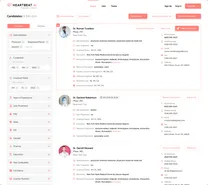
A useful SLP contact list may include more than names and email addresses. Before choosing a vendor or dataset, check which fields are available and whether they are relevant to your outreach:
- Name and location — basic identifiers, but location matters most for regional recruiting or referral networks.
- Direct contact details — work, cell, and email, since response rates differ sharply between channels.
- Specialization — fluency disorders, dysphagia, pediatric versus geriatric caseloads, bilingual practice, and similar distinctions.
- Licensing information — license number and state, useful for verifying credentials before outreach tied to clinical roles.
- Years of experience and practice status — helps you separate early-career clinicians from established practitioners or sole proprietors.
 Accuracy & coverage of personal contact info were unrivaled by other platforms… this gives any healthcare recruiter a competitive advantage when engaging hard-to-reach healthcare providers.
Senior Growth Strategist





Benefits of a Validated Mailing List Over a DIY Contact Sheet
Some teams start by gathering names from public directories or state licensing boards. That approach may work for a small number of contacts, but maintaining the data can become difficult as people change jobs, clinics close, and email addresses stop working. A maintained list may help address these challenges:
- Targeted segmentation — filtering by specialization or state means you’re not emailing a pediatric fluency specialist about a geriatric dysphagia product.
- Better response rates — outdated contact info is the single biggest driver of low engagement in B2B healthcare outreach.
- Lower cost per useful contact — bounced emails and disconnected numbers waste budget even when the initial list price looks cheap.
- Fewer compliance headaches — data collected with consent and kept current reduces the risk of complaints tied to outdated or misused contact details.
Categories of SLP Specialization You’ll Encounter
Speech-language pathology isn’t one uniform job. Outreach that ignores specialization tends to underperform, since a fluency specialist and a craniofacial pathologist have different day-to-day priorities. Common categories include:
| Speech-Lang Pathologist Categories |
| Fluency Disorder Specialists |
| Speech and Language Therapists |
| Speech Disorder Pathologists |
| Dysphagia/Swallowing Disorder Pathologists |
| Speech Sound Disorder Specialists |
| Communication Disorder Specialists |
| Voice Pathologists |
| Geriatric Speech Therapists |
| Craniofacial Speech Pathologists |
| Bilingual Speech Therapists |
Speech-Language Pathologists by State
If you’re building a regional outreach plan, browse contacts by state below.
How This Kind of Data Gets Compiled
Contact databases for licensed professions are often compiled through several steps. Ask vendors how each step applies to their data:
- Sourcing from multiple channels — healthcare directories, professional associations, and academic institutions, rather than a single scraped source.
- Ongoing verification — contact details get checked against current records rather than relying on a one-time pull.
- Segmentation filters — location, specialization, and experience level so the list can be narrowed to a relevant audience.
- Consent-based collection — respecting the privacy expectations of the professionals in the dataset, which matters both ethically and for deliverability.
- Periodic refreshes — because job changes, retirements, and new licenses mean a static list degrades within months.
Why Heartbeat’s Speech-Language Pathologist Database

Targeted, Verified Contact Data
Heartbeat says its contact data is filtered and checked for accuracy. Before relying on the list, ask how the data is verified and how recently it was refreshed.
Broad Healthcare Coverage
Heartbeat says its database covers more than 11 million healthcare professionals and includes personal email addresses and direct cell phone numbers, alongside practice information. Confirm the current coverage and available fields with the provider.
Compliance-Minded Data Practices
Heartbeat follows compliance and privacy standards common to email marketing, which matters given how sensitive healthcare-adjacent outreach can be.
Tools Beyond the List Itself
The Heartbeat Prospector extends contact discovery across additional online platforms, and the Chrome extension helps you pull contact details while browsing professional forums.
What to Check Before You Buy a List

- Update frequency. Ask how often records are refreshed. A list that hasn’t been touched in a year will have meaningfully higher bounce rates.
- Source transparency. Data pulled from licensing boards, professional associations, and verified directories tends to hold up better than scraped web data.
- Legal and ethical compliance. Confirm the provider follows applicable privacy and consent standards — this isn’t optional in healthcare-adjacent outreach.
- Segmentation options. A list you can’t filter by specialization or state is much less useful for targeted campaigns.
- Cost versus deliverability. A cheaper list with a high bounce rate often costs more in wasted sends than a pricier, well-maintained one.
Who Actually Uses These Lists

Independent speech therapy clinics use these lists to network with peers and explore referral relationships. Hospitals and medical centers lean on them for recruiting and inter-departmental collaboration. Medical device and pharmaceutical companies use them to introduce new products and gather clinical feedback. Insurance providers rely on accurate contact data for policy communication and claims-related coordination. Academic institutions use the same data to recruit adjunct faculty, invite guest lecturers, or find research collaborators.
Getting More Out of the List Once You Have It
Owning accurate contact data is only half the job — how you use it determines the return. A few practical guardrails:
- Segment before you send. A message about a pediatric fluency tool shouldn’t go to a geriatric dysphagia specialist. Filter by specialization first.
- Lead with something useful. Industry updates, relevant research, or event invitations perform better than a straight sales pitch.
- Personalize past the name field. Reference the recipient’s specialty or setting — school-based versus clinical versus hospital — to signal you did your homework.
- Respect opt-outs and consent rules. Clear unsubscribe options aren’t just good practice; they protect your sender reputation.
- Track and adjust. Open and click-through data will tell you fairly quickly whether your segmentation and messaging are working.
Limitations Worth Knowing
No contact database is guaranteed to be fully current. Professionals may change jobs, retire, or change specialties between updates. Treat a purchased list as a starting point for outreach, not as a guaranteed-accurate directory, and plan to verify records and account for some becoming outdated.
Conclusion
A well-maintained speech-language pathologist contact list is a practical tool for recruiters, healthcare vendors, insurers, and academic institutions that need to reach this specialized workforce directly. The value comes down to accuracy, segmentation, and how the data was sourced — not just the size of the list.
Heartbeat provides this kind of data for organizations working in healthcare outreach.
FAQs
Can I promote products or services using an SLP email list?
Yes, provided you follow applicable email marketing laws and privacy regulations, and the content you send is genuinely relevant to the recipient’s practice area.
Are there alternatives to email lists for networking with SLPs?
Professional associations, specialty-focused social media groups, industry conferences, and academic partnerships are common alternatives or complements to direct email outreach.
Are regional or specialty-specific SLP lists available?
Yes. Lists can typically be filtered by state or by specialty area, such as pediatric speech therapy or bilingual practice, to better match a specific outreach goal.