Last updated: August 29, 2026
Reaching respiratory therapists directly is harder than it looks. According to the Bureau of Labor Statistics, employment of respiratory therapists is projected to grow 12 percent from 2024 to 2034, with about 8,800 openings projected each year on average over the decade. That growth means more professionals moving between hospitals, home care agencies, sleep labs, and outpatient clinics — and outdated contact records that quickly go stale.
A respiratory therapist email list solves a narrower problem: how do you build a compliant, current channel to reach this workforce without manually chasing down individual contacts across state licensing boards and hospital directories? This guide walks through what a good list should include, how it’s typically compiled, who actually uses one, and what to check before you buy.
What’s on this page:
What a Respiratory Therapist Email List Should Include

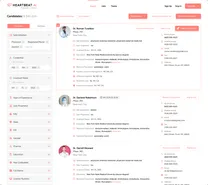
A usable list goes beyond a name and an email address. Heartbeat’s respiratory therapist mailing data is built to support segmentation and outreach at scale, combining current contact details with attributes that let you narrow a list down to the right audience before you send a single message.
- Targeted contacts: Access respiratory therapists across the country for networking or marketing without building your own list from scratch.
- Segmentation: Filter by location, years of experience, or specialization so campaigns go to people who are actually relevant to the offer.
- Supporting data points: Analytics that help shape messaging and timing based on the makeup of a given segment.
- Broad settings coverage: Contacts spanning hospitals, home care, sleep labs, and other care settings rather than one narrow slice of the field.
Typical Data Fields
- Name
- Location and address
- Contact numbers (work, cell, mobile)
- Email address
- Specialization
- Years of experience
- Sole proprietor status
- Licensed states
- License number
- Fax
 Accuracy & coverage of personal contact info were unrivaled by other platforms… this gives any healthcare recruiter a competitive advantage when engaging hard-to-reach healthcare providers.
Senior Growth Strategist






Why a Verified List Matters More Than a Big One

A list that’s large but stale wastes time and hurts sender reputation. Size matters less than whether the contacts are current and correctly matched to the people you’re trying to reach.
Targeted Campaigns
An updated list lets you narrow outreach to the audience most likely to respond, which raises the odds of a real reply instead of a bounce.
Time and Cost Savings
Sourcing and verifying contact data manually is slow. A pre-compiled list cuts that research time out of the process entirely.
Networking and Collaboration
Suppliers, recruiters, and training providers can connect with therapists who influence purchasing or hiring decisions inside their departments.
Compliance and Accuracy
Keeping a list current reduces the risk of contacting outdated addresses and supports better alignment with data protection expectations.
Categories You’ll Find in a Respiratory Therapist Directory
Respiratory therapy isn’t one job — it splits into distinct specialty tracks, and a well-segmented list should reflect that.
Respiratory Therapists by State
Coverage spans all 50 states, which matters given that respiratory therapists must be licensed in every state except Alaska, and licensing requirements vary from state to state.
How This Kind of List Gets Built

Building a respiratory therapist list isn’t a one-time export. It’s a recurring process:
1. Source Collection
Data is pulled from professional registries, healthcare databases, and public listings where respiratory therapists appear, drawing on Heartbeat’s network of official data partners.
2. Pattern Matching
Algorithms sort through raw records to identify and classify respiratory therapists specifically, separating them from adjacent roles like nurses or medical assistants.
3. Verification and Compliance
Entries get cross-checked against multiple sources, and collection methods are built around applicable privacy and data-use standards.
4. Segmentation
Attributes like specialty, experience level, and geography get attached so the list can be filtered instead of used as one flat block.
5. Ongoing Refinement
Therapists change jobs, specializations, and locations regularly, so lists need periodic refreshes to stay useful rather than being treated as a static asset.
Why Teams Use Heartbeat.ai for This Type of Data

Broad Healthcare Coverage
Heartbeat.ai provides access to a database of more than 11 million healthcare professionals across the USA, which includes respiratory therapists alongside other clinical roles.
Direct Contact Details
The platform offers direct cell phone numbers and personal email addresses, useful when you need a channel outside a hospital’s general switchboard.
Search by Specialty
You can filter by specialty, sub-specialty, and relevant procedures to narrow a list down before you ever draft an email.
Flexible Pricing
Heartbeat offers a range of pricing plans built for individual recruiters, agencies, and larger enterprise teams with different volume needs.
What to Check Before You Buy a List

- Legal compliance: Confirm the list and your intended use align with applicable privacy rules such as GDPR and the CAN-SPAM Act where relevant.
- Data quality: Ask how recently records were verified — stale addresses hurt deliverability and sender reputation.
- Segmentation options: Look for lists that let you filter by location, specialty, or experience rather than one undifferentiated file.
- Source transparency: Understand where the data came from and how it was collected before you rely on it.
- Cost vs. value: A cheap list that’s outdated is worse than a modest premium for verified, current contacts.
Who Typically Uses This Kind of List

Medical Equipment Manufacturers
Companies making ventilators, oxygen concentrators, and nebulizers often need direct lines to the clinicians who evaluate and use this equipment daily.
Healthcare Training and Education Providers
Institutions offering certification or continuing education programs can reach therapists looking for professional development directly.
Pharmaceutical Companies
Firms specializing in respiratory medications engage the clinicians who administer and monitor those treatments day to day.
Healthcare Facilities and Hospitals
Hospitals and clinics use this kind of list for recruiting and for internal communication across respiratory therapy teams.
Research and Advocacy Organizations
Groups working on respiratory health research or policy can connect with practicing therapists who may want to participate in studies.
How to Use the List Once You Have It

- Segment first: Group contacts by workplace setting, specialty, or title before sending anything.
- Personalize the message: Reference specifics relevant to the recipient rather than sending a generic blast.
- Lead with useful content: Field updates, practical tips, or educational material perform better than pure sales pitches.
- Build in engagement: Short surveys or event links give recipients a reason to respond, not just read.
- Design for mobile: Many recipients will open on a phone, so keep layouts simple and legible at small sizes.
- Track results: Open rates, click-throughs, and replies tell you what’s working and what to adjust next round.
Limitations Worth Knowing
No purchased list is perfect. Contact data degrades as people change jobs or specialties, licensing and privacy requirements vary by state, and even well-verified records need periodic re-checking. Treat any list as a starting point for outreach, not a permanent asset, and build a review cadence into your workflow rather than assuming accuracy indefinitely.
Bottom Line
Building a usable respiratory therapist contact list from scratch means navigating scattered sources, privacy requirements, and a workforce that moves between specialties and settings. Heartbeat AI compiles and maintains this kind of data so outreach teams can skip the manual sourcing step and focus on the campaign itself.
Frequently Asked Questions
Can I customize a respiratory therapist email list for specific geographic regions or healthcare facilities?
Yes. Lists can typically be filtered by region, facility type, or sub-specialty within respiratory therapy to match your specific outreach goals.
What benefits does a list of respiratory therapists with email addresses offer for marketing or research purposes?
Direct access to professionals in respiratory care lets you promote relevant products or services, run research outreach, or build connections in a specialized field without going through intermediaries.
How can I maintain professionalism and respect when using an email list of respiratory therapists for outreach?
Keep messages relevant and specific to the recipient’s role, respect applicable privacy and communication regulations, and avoid generic mass messaging that doesn’t account for their specialty or setting.