Last updated: August 30, 2026

Pulmonary rehabilitation is a narrow clinical specialty, and the professionals who staff these programs — physicians, nurses, respiratory therapists, exercise specialists, and program coordinators — are not easy to find through general provider directories. If you’re marketing medical equipment, recruiting for a rehab program, or running a research study, a well-built pulmonary rehabilitation specialists email list saves you from cold-calling switchboards or scraping LinkedIn one profile at a time.
This guide covers what a good list should contain, how compilation typically works, who actually uses these lists, and what to check before you buy one. We’ll also point out where Heartbeat’s directory fits into that picture.
What’s on this page:
What’s in Heartbeat’s Pulmonary Rehabilitation Specialists Email Directory

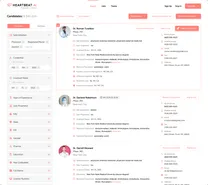
Heartbeat’s directory is built to connect you with pulmonary rehabilitation professionals across the U.S., whether you need a single state or a nationwide list. Here’s what that generally means in practice:
- Detailed profile data: names, locations, phone numbers, email addresses, and areas of expertise, so your outreach isn’t limited to a bare name and email.
- Customizable segments: you can narrow the list by state or by specialization within pulmonary rehab rather than buying one flat national file.
- Regular updates: contact data degrades quickly in healthcare as people change roles or facilities, so refresh cadence matters more than a one-time snapshot.
- National coverage: all 50 states are represented, which matters if your campaign spans multiple regions or you’re testing new markets.
Data Fields Typically Included
- Pulmonary rehabilitation specialist’s name
- Location
- Contact numbers (work, cell, mobile)
- Email address
- Specialization
- Years of experience
- Sole proprietor status
- Licensed states
- License number
- Fax
- Address
 Accuracy & coverage of personal contact info were unrivaled by other platforms… this gives any healthcare recruiter a competitive advantage when engaging hard-to-reach healthcare providers.
Senior Growth Strategist






Why a Verified List Matters More in This Niche
Pulmonary rehab programs run on small, tightly staffed teams. A generic B2B list built for a broad healthcare category won’t distinguish a respiratory therapist from a pulmonary function technologist, and that distinction changes how you should pitch them. A list segmented for this specialty solves a few specific problems:

Sharper Targeting
You’re messaging people whose day-to-day work actually matches your offer, so response rates tend to hold up better than with broad healthcare blasts.
Higher Engagement
Content that speaks directly to a rehab coordinator’s or exercise specialist’s role lands differently than a one-size-fits-all healthcare pitch.
Faster Marketing Cycles
Skipping the manual research step means your team spends time on messaging and follow-up instead of list-building.
Recruitment Support
HR teams filling niche clinical roles get a starting pool of qualified candidates instead of sourcing from scratch.
Network Building
Ongoing contact with specialists in this field can lead to referral relationships, speaking opportunities, or research partnerships over time.
Specialist Categories You’ll Typically Find
Pulmonary rehabilitation involves several distinct roles, each with a different day-to-day focus. A list broken out this way lets you tailor messaging by function rather than sending one generic email to everyone.
| Pulmonary Rehabilitation Specialists Category |
| Chronic Obstructive Pulmonary Disease (COPD) Specialist |
| Pulmonary Rehabilitation Nurse |
| Pulmonary Rehabilitation Coordinator |
| Respiratory Rehabilitation Physician |
| Pulmonary Fitness and Exercise Specialist |
| Pulmonary Patient Education Specialist |
| Pulmonary Function Technologist |
Browse by State
Coverage spans every U.S. state, so you can pull a regional list or scale up to a national campaign depending on your outreach plan.
How This Kind of List Gets Compiled
Building a usable mailing list for a niche clinical specialty takes more than scraping a directory once. Here’s the general workflow behind a reliable one:

Sourcing from Multiple Records
Data is pulled from a wide range of industry sources so the list reflects professionals working across different facility types, not just one segment of the market.
Verifying Deliverability
Email addresses need to be checked for validity before they’re added, otherwise you’re paying for bounce-backs instead of conversations.
Refreshing on a Schedule
Contacts change jobs, retire, or move states. A list that isn’t refreshed regularly becomes stale within months.
Segmenting by Role
Sorting by specialization and experience level lets you send different messages to a COPD specialist versus a pulmonary function technologist.
Respecting Privacy Rules
Healthcare contact data carries more scrutiny than general B2B data. A responsible provider builds compliance into the collection process rather than treating it as an afterthought.
What to Check Before You Buy a List
Not every provider handles this the same way. Before committing budget, run through these questions:

How Often Is It Updated?
Ask for the refresh cadence. A list updated quarterly is a different product than one updated once a year.
Is the Data Cleaned?
Old or incorrect entries drag down deliverability and can hurt your sender reputation. Ask how bounces and duplicates are handled.
Can You Segment It?
A list you can filter by state or specialization is more useful than a single flat file, especially if you’re running different campaigns for different audiences.
Does the Provider Take Privacy Seriously?
Look for a provider that’s transparent about where the data comes from and how it complies with applicable privacy rules.
Does It Match Your Actual Audience?
Before you buy, define who you’re really trying to reach — job title, region, setting — so the list you choose actually fits the campaign, not just the budget.
Who Typically Uses This Kind of List
A pulmonary rehabilitation specialists list serves a fairly specific set of use cases:

Medical Equipment Suppliers
Companies selling oxygen therapy devices, respiratory aids, or exercise equipment for pulmonary rehab use these lists to reach the clinicians who select and recommend that equipment.
Pharmaceutical Companies
Manufacturers of respiratory medications can inform specialists about new treatment options or clinical trial enrollment.
Healthcare Recruiters
Recruiters filling clinical roles in hospitals, outpatient clinics, or rehab centers get a targeted pool of candidates instead of starting from zero.
Research Institutions
Teams studying lung health outcomes can identify specialists who might participate in or refer patients to a study.
Healthcare Marketers
Marketing teams can aim campaigns specifically at professionals working in respiratory and lung care rather than the broader healthcare market.
Telemedicine Services
Virtual care companies can connect with specialists interested in offering remote consultations for patients managing chronic lung conditions.
Getting More Out of the List Once You Have It
Owning the list is only step one. What you do with it determines whether it’s worth the spend.

- Write for the role, not the industry. A rehab coordinator and a respiratory physician care about different things — don’t send them the same email.
- Lead with something useful. Relevant clinical or industry updates tend to perform better than a pure sales pitch.
- Keep messages short and respect opt-outs. Follow applicable privacy and marketing rules, and don’t overload the list with frequency.
- Look for collaboration angles. Conference invitations, joint webinars, or research partnerships often open doors that a cold sales email won’t.
- Segment your sends. If your list spans multiple states or specialties, split your campaigns accordingly rather than sending one blast to everyone.
- Ask for feedback. A short survey or webinar invite can double as both engagement and a data-quality check.
Where This Leaves You
A pulmonary rehabilitation specialists email list is a narrow, practical tool: useful for equipment vendors, recruiters, pharma teams, and researchers who need to reach a small, specific group of clinicians without wasting time on irrelevant contacts. The value comes down to how current and well-segmented the data is, not just how many records are in the file.
If you’re evaluating a provider, Heartbeat maintains a database covering pulmonary rehabilitation specialists alongside other healthcare roles, with the option to filter by state and specialization.
FAQs
How can a pulmonary rehabilitation specialists email list benefit my outreach?
It lets you target communication toward the right professionals, which tends to make marketing and recruitment more efficient than working from a general healthcare list.
Can this list be used for networking?
Yes. It’s a reasonable starting point for building professional relationships within the pulmonary rehabilitation community, though genuine relationships still take ongoing effort beyond the initial contact.
How does a specialty list improve marketing results compared to a general healthcare list?
Because the audience is already filtered to people working in this field, your messaging can be more specific, which generally improves engagement compared to a broad, unsegmented send.