Last updated: August 28, 2026

Orthopedic trauma surgery is a subspecialty within a broader orthopedic surgeon population that industry estimates put somewhere between roughly 20,000 and 28,000 practicing physicians in the U.S., depending on the data source and methodology used. Trauma-focused surgeons make up a smaller slice of that group. If your outreach depends on reaching this niche audience at scale, a current, well-segmented email list matters more than raw volume.
This guide covers what a usable orthopedic trauma surgeons contact list should include, how the data is typically compiled, who tends to use it, and how to run outreach that doesn’t land in a spam folder or get ignored.
What’s on this page:
What’s Included in an Orthopedic Trauma Surgeons Email List

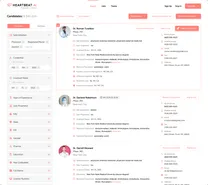
HeartBeat’s orthopedic trauma surgeons database covers professionals across the United States, spanning multiple career stages and practice settings within trauma-focused orthopedics.
- Coverage: Access to a healthcare provider database spanning the U.S., built for outreach that needs national or multi-state reach.
- Segmentation: Lists can be filtered by specialization, credentials, years of experience, and other criteria so you’re not emailing an entire specialty when you only need a subset of it.
- Use cases: The same underlying data supports personal outreach, recruitment, and market research within orthopedic trauma surgery, though the compliance requirements differ by use case (more on that below).
Typical Data Fields
- Name
- Location and address
- Contact numbers (work, cell, mobile)
- Email address
- Specialization
- Years of experience
- Sole proprietor status
- Licensed states
- License number
- Fax
 Accuracy & coverage of personal contact info were unrivaled by other platforms… this gives any healthcare recruiter a competitive advantage when engaging hard-to-reach healthcare providers.
Senior Growth Strategist






Why List Accuracy Matters More Than List Size

A large list full of outdated addresses is worse than a smaller, current one. Bounced emails hurt sender reputation, and stale contact data wastes time on outreach that never lands.
Precision Targeting
Segmenting by specialization, credentials, and location means your message reaches surgeons who actually match your offer, rather than a broad, unfiltered specialty group.
Return on Effort
Accurate contacts convert better simply because the messages reach a real inbox belonging to a real decision-maker, not a bounce or a dead forward.
Campaign Flexibility
Clean segmentation lets you run different messages for different sub-groups — pelvic trauma specialists, pediatric trauma surgeons, and general trauma orthopedists don’t respond to the same pitch.
Time Saved on Cleanup
Fewer bounces and undeliverable addresses mean less time spent scrubbing lists after the fact.
Credibility with Recipients
A correctly addressed, relevant message is simply more likely to be read and trusted than a generic blast.
Surgeon Categories You’ll Typically Find in This Niche
Orthopedic trauma surgery includes several sub-focuses. A well-built list should let you filter by these rather than lumping every trauma-adjacent surgeon together.
| Orthopedic Trauma Surgeons Categories |
| Trauma Orthopedic Surgeon |
| Pelvic and Acetabular Surgeon |
| Spine Trauma Surgeon |
| Upper Extremity Trauma Surgeon |
| Lower Extremity Trauma Surgeon |
| Orthopedic Traumatologist |
| Orthopedic Foot and Ankle Trauma Surgeon |
| Orthopedic Pediatric Trauma Surgeon |
| Orthopedic Hand Trauma Surgeon |
Browse Orthopedic Trauma Surgeons by State
If your outreach is regional rather than national, filtering by state avoids wasted sends to surgeons outside your service area or licensing footprint.
How This Kind of Data Gets Compiled

Building a reliable list of trauma surgeons is a maintenance problem as much as a collection problem. Here’s roughly how it works:
Sourcing from Multiple Channels
Reliable providers pull from official registries, healthcare directories, professional networking platforms, and other public or licensed sources rather than relying on a single feed.
Ongoing Verification
HeartBeat AI works with a network of data partners for ongoing verification, which helps catch outdated contact details before they reach a client’s outreach list.
Filtering and Segmentation
Data is organized so it can be filtered by specialization, location, and experience, letting you narrow a list down to exactly the audience segment you need rather than exporting everything at once.
Consent-Based Collection
HeartBeat AI collects data on a consent basis, which matters both ethically and for staying aligned with data privacy expectations in healthcare marketing.
Regular Maintenance
Lists degrade over time as surgeons change practices, retire, or switch contact information. Periodic checks and updates are what keep a list usable months after it was first pulled.
Regulatory Awareness
Providers working with healthcare contact data need to stay aware of privacy regulations that govern how patient and provider information can be handled — note that HIPAA governs patient health information specifically, and B2B contact data for providers falls under separate marketing and privacy rules like CAN-SPAM and TCPA.
Quality Checks
Cross-referencing data against multiple sources before it ships helps catch duplicate, incomplete, or mismatched records.
What to Look for Before Buying a List

Not every provider’s list will fit your outreach goals. Here’s what tends to matter most when comparing options.
Reach and Segmentation
Check whether the provider can filter down to your exact target — trauma sub-specialty, state, years of experience — rather than handing you a generic orthopedics list. HeartBeat’s Prospector tool is built for this kind of filtering across a large healthcare provider database.
Compliance Practices
Ask how the provider sources and verifies consent, and confirm the data can be used in a way that’s consistent with CAN-SPAM requirements for commercial email, including honoring opt-outs and accurate sender information.
Update Frequency
Ask how often records are refreshed. A list that hasn’t been touched in a year will have a meaningfully higher bounce rate than one updated recently.
CRM Integration
Confirm the data format works with your existing CRM or outreach tools before you buy — reformatting a large export by hand is a bad use of time.
Who Typically Uses This Data

Orthopedic Hospitals and Clinics
Used for referral coordination, collaboration between practices, and circulating updates on treatment protocols.
Medical Device Manufacturers
Used to introduce new devices, collect clinical feedback, and reach the surgeons most likely to adopt new equipment.
Pharmaceutical Companies
Used for outreach around trauma-related products, clinical trial recruitment, and continuing education programs.
Healthcare Recruitment Agencies
Used to connect surgeons with job openings, fellowships, or academic positions relevant to their specialty.
Insurance Companies
Used to discuss network participation and coverage plans with surgeons in a given region or specialty.
Professional Associations
Used for member communication, event promotion, and community building within orthopedic trauma surgery.
Using the List Without Wasting It

Having the contacts is the easy part. Getting a response is the harder one. A few practical approaches:
Targeted Product Announcements
Send focused emails about new trauma-specific devices or technologies, and lead with the clinical relevance rather than a generic sales pitch.
Educational Webinars and Workshops
Promote sessions on current advancements in trauma surgery. Busy surgeons respond better to content that respects their time and specialty focus.
Clinical Trial Recruitment
Where applicable, share concrete information about ongoing trials and what participation would involve, rather than a vague invitation.
CME Course Promotion
Highlight relevant continuing education opportunities. This tends to get more engagement than direct product pitches, since it offers something the recipient needs regardless of your product.
A Short Checklist Before You Launch a Campaign
- Confirm the list has been updated within the last few months.
- Segment by sub-specialty and state before sending anything.
- Review your message for CAN-SPAM compliance — accurate sender info, a working opt-out, no misleading subject lines.
- Start with a small test send to catch bounce or spam-flag issues before a full launch.
- Track response rates by segment so you know which sub-specialties or states are worth prioritizing next time.
A valid, well-segmented orthopedic trauma surgeons list saves time and improves response rates compared to a generic, unfiltered contact dump. HeartBeat AI provides this kind of provider contact data for healthcare marketing, recruitment, and outreach use cases.
FAQs
How do I keep this kind of list accurate over time?
Work with a provider that verifies and updates records on an ongoing basis, and periodically clean your own list to remove bounced or outdated contacts before running new campaigns.
Can I use this data for both marketing and recruitment?
Yes. The same contact data supports marketing campaigns, recruitment outreach, and professional networking, though each use case has different compliance considerations worth reviewing beforehand.
What legal considerations apply to email outreach like this?
Commercial email to U.S. recipients falls under CAN-SPAM, which requires accurate sender information, no deceptive subject lines, and a working opt-out mechanism. Confirm your provider’s data was collected with appropriate consent.