Last updated: August 28, 2026
Roughly 7,500 oral surgeons practice in the United States, and a large share of them run independent practices rather than working inside big hospital systems. That independence is exactly what makes them hard to reach through generic hospital directories or switchboard calls. If you need to get in front of these specialists — for recruiting, sales, research partnerships, or continuing education outreach — a well-built email list solves a real logistics problem.
The harder part isn’t deciding you need a list. It’s finding one that’s actually accurate. Oral surgeons change practices, retire, merge groups, or go fully private, and a directory that isn’t refreshed regularly turns into a pile of bounced emails within a year. This guide covers what a usable oral surgeons email list should include, how Heartbeat AI builds and maintains its version, and how different teams in healthcare-adjacent industries tend to use it.
What’s on this page:
What’s Included in Heartbeat AI’s Oral Surgeons Email List

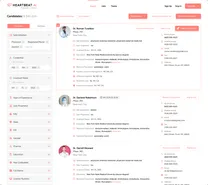
Heartbeat AI maintains a contact database built specifically for outreach to oral surgeons and related specialists across the U.S. The goal is straightforward: give you enough verified detail to reach the right person through the right channel, without wasting time chasing dead contacts.
- Coverage across states: The database spans practitioners in different locations nationwide, so you can build a list around a single state, region, or the entire country depending on your campaign.
- Multiple contact channels: Records typically include email addresses, phone numbers, and practice addresses, which matters because email-only outreach has limits — some contacts respond better to a call or a mailed piece.
- Professional detail: Names, titles, and practice information are included so you’re not guessing who you’re actually emailing.
Data Points Typically Included
- Name of the oral surgeon
- Location information
- Contact numbers (work, cell, mobile)
- Email address
- Specialization details
- Years of professional experience
- Sole proprietor status
- Licensed state information
- License number
- Fax number
- Physical practice address
 Accuracy & coverage of personal contact info were unrivaled by other platforms… this gives any healthcare recruiter a competitive advantage when engaging hard-to-reach healthcare providers.
Senior Growth Strategist





Why an Accurate Oral Surgeons Database Matters

A verified list changes the math on outreach. Instead of researching contacts one at a time, you start from a filtered set of people who actually match your target profile.
Time Saved on Prospecting
Manual contact research eats hours that could go toward writing better outreach or following up with warm leads. A validated list shifts your time budget toward the parts of the job that actually move deals or hires forward.
Fewer Wasted Sends
Bounced emails and disconnected numbers hurt more than the immediate wasted effort — repeated bounces can affect your sender reputation over time. Working from a list that’s checked against licensing and practice data lowers that risk.
Better Targeting by Specialty
Oral surgery covers several sub-specialties, from orthognathic work to craniofacial cases. Filtering by specialization means your message actually matches what the recipient does day to day, instead of a generic pitch to “oral surgeons” as a blanket category.
More Credible Outreach
Messages that reference someone’s actual credentials, location, or specialty read as more legitimate than a mass blast. That credibility affects open and reply rates more than most subject-line tricks do.
Specialties You’ll Find in the Directory
The oral surgery field isn’t one uniform group. A useful list should let you filter by sub-specialty so outreach lands with the right kind of practitioner.
Oral Surgeons Available by State
Coverage spans all 50 states, which matters if your outreach or recruitment strategy is regional rather than national.
How This Data Gets Compiled

Building a usable provider list isn’t a single step — it’s layered sourcing plus ongoing checks.
Aggregation from Public Sources
Professional directories, healthcare publications, and public online platforms form the base layer of the dataset.
Industry Partnerships
Heartbeat AI works with data partners to fill in gaps and cross-check records, which helps keep coverage current as practitioners move between practices.
Professional Network Sourcing
Connections within the oral surgery field, including professional associations, help surface contact details that don’t always show up in public listings.
Opt-In Submissions
Some records come from surgeons who’ve voluntarily shared their contact information for professional networking purposes.
Verification
Cross-referencing across sources and running quality checks helps catch outdated or duplicate entries before they reach you — though no database is ever 100% current, since providers change jobs and retire continuously.
Compliance
Data compilation follows relevant data protection standards, which matters both legally and for the credibility of your outreach.
Choosing a List: What Actually Matters

Not every vendor claiming “verified” data means the same thing by it. Before you commit, check a few things:
- Accuracy and update frequency: Ask how often records are refreshed and how bounces or unsubscribes are handled.
- Specialty coverage: Confirm the list actually breaks down by sub-specialty rather than lumping everyone under one dental category.
- Credential fields: License numbers and state of licensure add a layer of verification you can check independently if needed.
- Privacy compliance: Make sure whoever compiled the list followed applicable data protection rules — this protects you as the end user, not just the vendor.
Who Actually Uses an Oral Surgeons Email List

The use cases vary more than you’d expect:
- Dental equipment suppliers reaching practices about new instruments or tools.
- Pharmaceutical companies coordinating on products related to pain management or post-operative care.
- Healthcare recruitment agencies sourcing candidates for open positions.
- Medical publishers distributing journals or educational materials.
- Dental software developers marketing practice management tools.
- Research institutions recruiting participants for clinical studies.
- Dental students looking for mentorship or research contacts.
- Dental associations and societies communicating with members.
- Hospitals and clinics hiring or building referral relationships.
Getting Practical Value from the List

Having the data is one thing. Using it well is another. A short workflow that tends to work:
- Segment first. Filter by specialty, state, or years in practice before writing a single email — a generic blast to the whole list wastes the targeting you paid for.
- Personalize the opener. Reference the recipient’s specialty or region instead of a generic greeting.
- Match the channel to the goal. Recruitment outreach often works better by phone after an initial email; research or partnership requests tend to land better in writing first.
- Track response patterns. If a segment isn’t responding, don’t just resend — check whether the message matches what that specialty actually cares about.
- Respect opt-outs immediately. This protects deliverability for future campaigns, not just compliance.
Beyond straight email campaigns, the same data supports networking outreach, market research on practice trends, planning educational events, and identifying candidates or partners for a specific region during market expansion.
A Realistic Limitation
No third-party database — regardless of vendor — captures every job change or retirement the moment it happens. Build a habit of periodic re-verification into your process, especially for high-value accounts, rather than treating any purchased list as permanently accurate.
Conclusion
Sourcing a dependable oral surgeons email list takes more effort than it looks like from the outside, mainly because provider data goes stale faster than most people expect. Working from a list that’s checked against license and practice records, updated regularly, and filtered by specialty saves the back-and-forth of chasing down verified contacts one at a time.
Heartbeat AI maintains this kind of list for teams working across dental supply, recruitment, research, and healthcare marketing.
FAQs
What is an oral surgeons email list, and how can it help my business?
It’s a database of verified contact information for oral surgery professionals, useful for targeted communication, recruitment, and marketing within the oral surgery sector.
Can I filter the list by location or specialty?
Yes. Lists can typically be filtered by state, specialty, years of experience, and other criteria so outreach targets a specific segment rather than everyone at once.
Can I connect this data with my existing CRM?
Heartbeat AI supports integration options so the contact data can flow into your existing outreach or recruitment workflow rather than living in a separate spreadsheet.