What’s on this page:
Key takeaways
- Ask list providers how they verify contact records and how often they update them.
- Check that the list’s fields and specialties match the purpose of your outreach.
- Use geographic and specialty filters to focus outreach on the intended audience.
- Confirm how the provider sources and maintains contact data and whether its practices meet applicable requirements.
- Write outreach that is specific to the recipient’s professional context and offers a clear reason to engage.
Last updated: August 28, 2026

Occupational therapists are part of the U.S. healthcare workforce. Reaching them for recruiting, sales, research collaboration, or event promotion depends on having contact data that is current and obtained in compliance with applicable requirements.
The challenge isn’t just finding a list of occupational therapists; it’s assessing whether the contact data is still useful. Practitioners may change jobs, locations, or licensing status, so records can become outdated. Before choosing a provider, ask how it verifies and refreshes contact records rather than judging the list by size alone.
What a Heartbeat Occupational Therapists Email List Includes
Heartbeat’s occupational therapists email lists are built for marketers, recruiters, and healthcare organizations that need to reach this specialty directly rather than sorting through general practitioner databases.

- Broad geographic coverage: contacts spanning multiple states and regions, useful whether you’re running a national campaign or targeting a specific market.
- Regular contact refreshes: records are updated on an ongoing basis rather than compiled once and left static.
- Segmentation options: filter by specialty, location, or other criteria so outreach stays focused instead of generic.
- CRM-ready formatting: data structured for straightforward import into common CRM systems.
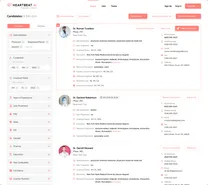
- Professional detail beyond name and email: practice location, specialization, and related fields that support more informed outreach.
Data Fields in the Occupational Therapists Database
- Occupational therapist name
- Location
- Contact numbers (work, cell, mobile)
- Email address
- Specialization
- Years of experience
- Sole proprietor status
- Licensed states
- License number
- Fax
- Address
 Accuracy & coverage of personal contact info were unrivaled by other platforms… this gives any healthcare recruiter a competitive advantage when engaging hard-to-reach healthcare providers.
Senior Growth Strategist






Why a Targeted Occupational Therapists List Beats a General Healthcare List
A broad clinician list may require additional filtering before it reaches your intended audience. A purpose-built occupational therapists mailing list can offer practical advantages:
- Focused messaging: outreach lands with people actually qualified to respond, rather than getting filtered out by irrelevant recipients.
- Better engagement rates: content aimed at OT-specific interests tends to get more opens and replies than generic healthcare blasts.
- Leaner campaigns: targeting the right audience upfront means fewer wasted sends and less list-cleaning after the fact.
- Faster recruiting cycles: direct access to practicing OTs shortens the path between sourcing and first contact.
- Stronger professional networks: accurate contact data supports genuine relationship-building instead of one-off blasts.
Occupational Therapy and Related Specialties You’ll Find
Some occupational therapist databases also include adjacent specialties. Check the included categories to confirm they match your outreach needs:
| Occupational Therapists Categories |
| Developmental Therapists |
| Physiotherapists |
| Occupational Therapy Assistants |
| Clinical Specialist Therapists |
| Pharmacotherapy Specialists |
| Massage Therapists |
| Physical Therapists |
| Occupational Therapists |
| Marriage Family Therapist |
| Physical Therapy Assistants |
| Recreational Therapists |
| Biofeedback Therapists |
| IV Infusion Therapist |
| Respiratory Therapists |
| Family And Marital Therapist |
| Physical Therapy Directors |
| Oxygen Therapist |
Occupational Therapists by State
Need a list broken out geographically? Browse occupational therapists by state below.
| Occupational Therapists by States |
| Occupational Therapists in Alabama |
| Occupational Therapists in Alaska |
| Occupational Therapists in Arizona |
| Occupational Therapists in Arkansas |
| Occupational Therapists in California |
| Occupational Therapists in Colorado |
| Occupational Therapists in Connecticut |
| Occupational Therapists in Delaware |
| Occupational Therapists in Florida |
| Occupational Therapists in Georgia |
| Occupational Therapists in Hawaii |
| Occupational Therapists in Idaho |
| Occupational Therapists in Illinois |
| Occupational Therapists in Indiana |
| Occupational Therapists in Iowa |
| Occupational Therapists in Kansas |
| Occupational Therapists in Kentucky |
| occupational therapists in Louisiana |
| Occupational Therapists in Maine |
| Occupational Therapists in Maryland |
| Occupational Therapists in Massachusetts |
| Occupational Therapists in Michigan |
| Occupational Therapists in Minnesota |
| occupational therapists in Mississippi |
| Occupational Therapists in Missouri |
| Occupational Therapists in Montana |
| Occupational Therapists in Nebraska |
| Occupational Therapists in Nevada |
| Occupational Therapists in New Hampshire |
| Occupational Therapists in New Jersey |
| occupational therapists in New Mexico |
| Occupational Therapists in New York |
| Occupational Therapists in North Carolina |
| Occupational Therapists in North Dakota |
| Occupational Therapists in Ohio |
| Occupational Therapists in Oklahoma |
| Occupational Therapists in Oregon |
| Occupational Therapists in Pennsylvania |
| Occupational Therapists in Rhode Island |
| Occupational Therapists in South Carolina |
| Occupational Therapists in South Dakota |
| Occupational Therapists in Tennessee |
| Occupational Therapists in Texas |
| Occupational Therapists in Utah |
| Occupational Therapists in Vermont |
| Occupational Therapists in Virginia |
| Occupational Therapists in Washington |
| Occupational Therapists in West Virginia |
| Occupational Therapists in Wisconsin |
| Occupational Therapists in Wyoming |
How Occupational Therapist Contact Data Gets Compiled
A usable occupational therapist list may involve ongoing maintenance rather than a one-time export. When evaluating a database, ask how the provider handles:
- Sourcing from reputable channels: data is pulled from healthcare directories, professional associations, and other credible industry sources rather than scraped indiscriminately.
- Email validation: addresses go through verification to reduce bounce rates before they ever reach a client’s outreach tool.
- Deduplication and cleaning: outdated or duplicate entries are removed so each record stays useful.
- Ongoing maintenance: practitioner moves, new licenses, and contact changes are reflected through continuous updates rather than periodic bulk refreshes.
- Privacy alignment: compiling this kind of data means respecting data privacy regulations and the broader spirit of provider privacy protections under HIPAA, even though B2B contact data for professional outreach sits outside HIPAA’s patient-privacy scope.
Why Heartbeat.ai for an Occupational Therapists Directory

Broad Database Access
Heartbeat.ai provides access to a large database of U.S. healthcare professionals, including occupational therapists, with coverage spanning millions of personal emails and direct cell numbers.
Verification-Focused Accuracy
Heartbeat says its contact records go through a verification process intended to reduce bounce and misdial rates. Ask the provider what verification involves and how results are measured.
A Sourcing Tool Built for Speed
The Heartbeat Prospector tool is built to speed up the search process instead of requiring manual list-building from scratch.
Flexible Search Filters
Search by location, specialization, or other criteria so results stay relevant to your specific campaign rather than a generic export.
Social Platform Integration
A Chrome extension extends contact lookup to platforms like LinkedIn and Facebook, useful when email alone doesn’t get a response.
Flexible Pricing
Heartbeat’s pricing plans scale with different budgets and use cases, from one-off recruiting pushes to ongoing campaigns.
Checklist: What to Verify Before You Buy

- Accuracy and legality: confirm the data was obtained through compliant methods and reflects current contact details, not a static snapshot from years back.
- Consent and privacy practices: ask how the provider sources and maintains records, and whether professional contacts were gathered through legitimate business channels.
- Fit for your use case: a list built for recruiting doesn’t always suit event promotion or research outreach — check that fields match your actual goal.
- Update cadence: a database refreshed quarterly behaves very differently from one refreshed once a year. Ask directly.
- Transparency on sourcing: a provider that can explain where data comes from is generally more trustworthy than one that can’t.
Who Actually Uses an Occupational Therapists Database

Healthcare Providers
Hospitals, clinics, and independent practices use this data to coordinate referrals and consultations with occupational therapists as part of broader treatment plans.
Research Institutions
Academic centers use contact data to reach practicing therapists for study collaboration and data-sharing on clinical research.
Conference and Event Organizers
Organizers of medical conferences and continuing-education seminars use targeted lists to invite speakers and promote registration to a relevant audience.
Healthcare Marketing Teams
Marketers promoting products or services relevant to rehabilitation and therapy use segmented lists to keep campaigns focused instead of spraying a general healthcare audience.
Academic Institutions
Schools and training programs use contact data to connect students with practicing professionals for networking and internship placement.
Getting Better Results From an Occupational Therapists Email List

Know What This Audience Actually Cares About
For more relevant outreach, tailor messages to occupational therapists’ professional context rather than relying on generic healthcare sales copy.
Set a Clear Objective First
Decide whether the campaign is about recruiting, event promotion, or product awareness before writing a single line, since that decision shapes tone and structure.
Write Content That Offers Something
Consider including a useful insight or relevant update rather than opening with a sales pitch.
Personalize Where It’s Practical
When the data supports it, referencing a recipient’s specialty or location can make a message more specific than a generic template.
Use Email for Networking, Not Just Selling
Some of the most useful outreach to this audience isn’t transactional at all — it’s a request to connect, share knowledge, or explore collaboration.
Bottom Line
A well-maintained occupational therapists email list can reduce the time spent working from stale or overly broad contact data. Before using one, verify its update frequency, confirm that its fields fit your use case, and plan outreach that respects applicable requirements.
Heartbeat AI provides tools built around these needs for teams looking to reach occupational therapists directly.
FAQs
How current is the information on the occupational therapists email list?
Contact data degrades over time as practitioners change jobs or locations, so lists that are refreshed regularly are more reliable than one-time exports. Ask any provider directly about their update cadence.
What kind of details are included in the occupational therapists email list?
Typical fields include name, email address, phone numbers, specialization, practice location, and license information, which together support more targeted outreach.
Is it possible to customize the occupational therapists email list to meet specific criteria?
Yes. Filtering by location, specialty, or years of experience is standard for a segmented healthcare list, allowing you to narrow the database to your actual target audience.