What’s on this page:
Key takeaways
- Industrial pharmacy roles include manufacturing, quality control, regulatory compliance, and research.
- General pharmacist directories may not identify industrial-track professionals separately.
- A contact database may include professional details such as specialization, contact information, and licensing data, but available fields vary.
- Contact records can become outdated as professionals change jobs or update their details.
- Verify important contacts and comply with applicable privacy and communication requirements before outreach.
Last updated: August 30, 2026
Industrial pharmacists in Ohio work in areas such as drug manufacturing, quality control, regulatory compliance, and pharmaceutical research. Because these roles are specialized, general pharmacist contact lists may not distinguish industrial pharmacists from community or hospital pharmacists.
This guide covers what an industrial pharmacist contact database typically includes, where the data challenges come from, and how to evaluate whether a vendor’s list is actually usable for your outreach.
Get an Email List of Industrial Pharmacists in Ohio from Heartbeat
Heartbeat.ai says its database can filter licensed healthcare professionals across the United States, including industrial pharmacists in Ohio, by specialty, location, and other criteria. This can help users build a targeted outreach list rather than use a general pharmacist list.
The database segments industrial pharmacists into categories such as manufacturing pharmacists, quality control pharmacists, regulatory pharmacists, and research pharmacists. That segmentation matters in practice: a message aimed at a manufacturing pharmacist launching a new product line won’t land the same way with a regulatory pharmacist evaluating compliance documentation.
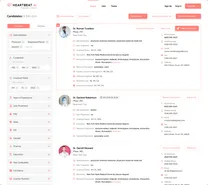
Records can include email addresses, direct-dial numbers, geographic location, area of specialization, and career history, giving you enough context to personalize outreach rather than send a blanket message.
If you’re evaluating the list for a specific campaign, it’s worth contacting the Heartbeat team directly to confirm coverage for your target segment before committing to a larger outreach push.
Ohio’s Healthcare and Pharmaceutical Landscape
Ohio has a substantial healthcare and life sciences presence, anchored by major academic medical centers and research hospitals. The Cleveland Clinic is one of the state’s most prominent healthcare institutions, known for its research and clinical programs, and Ohio State University’s medical center operates specialized programs in areas including cancer and cardiovascular care.
These institutions, along with the state’s pharmaceutical manufacturing and biotech employers, create ongoing demand for industrial pharmacists in roles spanning drug development, manufacturing oversight, and regulatory affairs. Because this is a specialized subset of the broader pharmacist workforce, general licensing directories don’t always make it easy to isolate industrial-track professionals from retail or clinical pharmacists.
Why Accurate Contact Data Matters
Outdated or incorrect contact information causes real friction in three common use cases:
- Recruitment: Bad data means recruiters waste time chasing dead emails or disconnected numbers, slowing down time-to-hire for specialized manufacturing and regulatory roles.
- Marketing and partnerships: Pharmaceutical vendors and service providers targeting industrial pharmacists need current professional emails, not personal ones scraped from outdated directories.
- Industry networking: Researchers and industry groups rely on accurate contact records to coordinate on drug development topics, conferences, and cross-institution collaboration.
In each case, the cost of bad data isn’t just wasted outreach — it’s the opportunity cost of the connection that never happens.
Why This Data Is Hard to Compile
Building a reliable database of industrial pharmacists is harder than it looks, for a few structural reasons:
- Industrial pharmacy spans several distinct sub-specialties (manufacturing, QC, regulatory, research), and there’s no single standardized registry that captures all of them together.
- Professionals move between employers, sectors, and states more often than public directories are updated.
- Much of the relevant contact detail — direct email, mobile number — is not published in any public license lookup, since state boards typically verify licensure rather than publish outreach-ready contact information.
Data providers may combine public and licensed sources and apply verification and deduplication processes to update records. No database is perfect, so claims of 100% accuracy for a changing professional population warrant skepticism. Ask how often records are refreshed and verified.
What’s Included in a Heartbeat Industrial Pharmacist Contact List
Heartbeat’s database is built from a combination of public and licensed sources and is designed to help you reach industrial pharmacists directly rather than through general switchboard numbers. Typical fields include:
- Industrial pharmacist name
- Location
- Contact numbers (work, cell, mobile)
- Email address
- Specialization
- Years of experience
- Sole proprietor status
- Licensed states
- License number
- Fax
- Address
Industrial Pharmacist Databases by State
Explore industrial pharmacist contact data organized by state.
| Industrial pharmacists database by states |
|---|
| Industrial pharmacists database in Alabama |
| Industrial pharmacists database in Alaska |
| Industrial pharmacists database in Arizona |
| Industrial pharmacists database in Arkansas |
| Industrial pharmacists database in California |
| Industrial pharmacists database in Colorado |
| Industrial pharmacists database in Connecticut |
| Industrial pharmacists database in Delaware |
| Industrial pharmacists database in Florida |
| Industrial pharmacists database in Georgia |
| Industrial pharmacists database in Hawaii |
| Industrial pharmacists database in Idaho |
| Industrial pharmacists database in Illinois |
| Industrial pharmacists database in Indiana |
| Industrial pharmacists database in Iowa |
| Industrial pharmacists database in Kansas |
| Industrial pharmacists database in Kentucky |
| Industrial pharmacists database in Louisiana |
| Industrial pharmacists database in Maine |
| Industrial pharmacists database in Maryland |
| Industrial pharmacists database in Massachusetts |
| Industrial pharmacists database in Michigan |
| Industrial pharmacists database in Minnesota |
| Industrial pharmacists database in Mississippi |
| Industrial pharmacists database in Missouri |
| Industrial pharmacists database in Montana |
| Industrial pharmacists database in Nebraska |
| Industrial pharmacists database in Nevada |
| Industrial pharmacists database in New hampshire |
| Industrial pharmacists database in New jersey |
| Industrial pharmacists database in New mexico |
| Industrial pharmacists database in New york |
| Industrial pharmacists database in North carolina |
| Industrial pharmacists database in North dakota |
| Industrial pharmacists database in Ohio |
| Industrial pharmacists database in Oklahoma |
| Industrial pharmacists database in Oregon |
| Industrial pharmacists database in Pennsylvania |
| Industrial pharmacists database in Rhode island |
| Industrial pharmacists database in South carolina |
| Industrial pharmacists database in South dakota |
| Industrial pharmacists database in Tennessee |
| Industrial pharmacists database in Texas |
| Industrial pharmacists database in Utah |
| Industrial pharmacists database in Vermont |
| Industrial pharmacists database in Virginia |
| Industrial pharmacists database in Washington |
| Industrial pharmacists database in West virginia |
| Industrial pharmacists database in Wisconsin |
| Industrial pharmacists database in Wyoming |
How Heartbeat Compiles Industrial Pharmacist Contact Data
Heartbeat.ai builds its contact list by drawing on a range of public and licensed data sources, then applying verification steps designed to keep entries current as pharmacists change roles or employers. The goal is a working set of direct cell numbers, professional emails, and licensing details rather than a static, one-time export.
No third-party database can guarantee real-time accuracy for every record: pharmacists change jobs, retire, or update their contact details on different schedules. Treat accuracy figures as estimates, and verify important contacts before high-stakes outreach, such as final-round recruiting conversations.
Who Uses an Industrial Pharmacist Contact List?
Potential users include recruiters and HR teams, pharmaceutical marketing and sales teams, event organizers, researchers, and business development teams at CROs or contract manufacturers. Users are responsible for complying with applicable data privacy and communication laws, including opt-out requirements for commercial email.
How to Use the List Effectively
A few practical guidelines make outreach more effective and more respectful of the recipient’s time:
- Segment your list by specialization before drafting outreach — a manufacturing pharmacist and a regulatory pharmacist have different priorities and pain points.
- Lead with something specific to their role rather than a generic pitch; reference the type of work their specialization involves.
- Keep messaging concise and professional, and make it easy to opt out.
- For recruiting outreach, be transparent about the role, location, and compensation range where possible — vague outreach gets ignored or flagged as spam.
- Verify a contact before relying on it for time-sensitive outreach, especially if the record hasn’t been refreshed recently.
Limitations to Keep in Mind
No contact database is fully complete or permanently current. Industrial pharmacists move between employers, some professionals opt out of data aggregation, and licensing records don’t always reflect current job status. Treat any purchased list as a strong starting point for outreach, not a guaranteed contact channel, and build verification into your workflow for important conversations.
Conclusion
Finding contact information for industrial pharmacists in Ohio can be challenging because the field spans specialized roles that may not be tracked together in general pharmacist directories. A segmented database may reduce the work of gathering contacts from multiple sources, but verify records before relying on them for important outreach.
Frequently Asked Questions
What is an industrial pharmacists database?
It’s a collection of contact and professional information on pharmacists working in manufacturing, quality control, regulatory affairs, or research roles, typically including contact details, credentials, and areas of expertise.
How can I access industrial pharmacist records in Ohio?
Basic license verification is available through the Ohio Board of Pharmacy, though it generally doesn’t include outreach-ready contact details like direct email or mobile numbers. For that level of detail, a specialized contact database is usually needed.
What information does an industrial pharmacist record typically include?
Records often include name, contact information, work history, specialization, and licensing details, though the depth of information varies significantly by source.