Last updated: August 30, 2026
Hepatologists treat liver, gallbladder, and pancreas conditions, and Florida has a substantial concentration of them given the state’s large population and academic medical centers. For recruiters, marketers, and healthcare organizations, the practical challenge isn’t finding hepatologists on a directory — it’s finding ones with verified, current contact information.
This article covers what makes hepatologist contact data reliable, where Florida’s hepatology care is concentrated, and how a data platform like Heartbeat.ai fits into a recruitment or outreach workflow.
What’s on this page:
Get an Email List of Hepatologists in Florida from Heartbeat
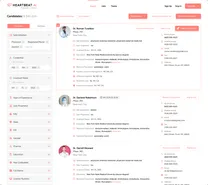
Heartbeat.ai’s database covers licensed healthcare professionals across the United States, including hepatologists. You can filter by specialty, location, and other criteria to build a targeted contact list rather than working through generic directories one profile at a time.
The list includes hepatologists working across subspecialties — chronic hepatitis, alcoholic liver disease, liver cancer, and liver transplant medicine among them. If you have a specific clinical focus in mind, filtering by subspecialty narrows the pool quickly instead of manually screening providers.
Questions about the platform or need help with filters and exports? Reach out directly — a data provider is only useful if support is responsive when a list doesn’t match expectations.
Hepatology Care in Florida: A Brief Overview
Florida’s hepatology care is anchored by a mix of academic medical centers and specialty transplant programs. UF Health Shands Hospital in Gainesville and the Mayo Clinic campus in Jacksonville both run recognized hepatology and liver transplant programs, and the Mayo Clinic Florida liver transplant program has been active since 1998, representing an expansion of the internationally recognized Mayo Clinic liver transplantation program. The Jacksonville program is extremely busy and is expected to perform approximately 150 liver transplants a year.
Cleveland Clinic’s Weston campus also maintains a hepatology presence in South Florida. Beyond these flagship institutions, hepatologists practice across community hospitals and private gastroenterology groups statewide, which is part of why building a complete, current contact list by hand is time-consuming.
Why Accurate Contact Information Matters
Contact accuracy affects three distinct groups differently:
- Recruiters filling hepatology roles need direct lines to candidates, not front-desk numbers that get lost in a phone tree.
- Referring providers and care coordinators rely on current contact details to route patients to specialists without delay.
- Industry and pharma outreach teams need verified professional emails to avoid wasted campaigns and compliance headaches from bounced or misdirected communication.
Outdated contact data doesn’t just waste time — it can stall a hiring pipeline or delay a referral that a patient is waiting on. A stale directory listing a hepatologist who left a practice two years ago is worse than no listing at all, because it creates false confidence.
Why Finding a Hepatologist’s Direct Contact Is Harder Than It Looks
A few practical obstacles show up repeatedly when sourcing hepatologist contact data in Florida:
- Geographic spread. Florida is large and urban-rural access to specialists varies significantly; a hepatologist near Miami isn’t a realistic option for a patient or referral in the Panhandle.
- Limited supply relative to demand. Liver disease incidence doesn’t always track evenly with specialist availability, so some regions are underserved.
- Fragmented sourcing. Hospital directories, state licensing boards, and professional associations each hold partial information, and none of them are built for bulk outreach or recruiting workflows.
Centralized databases, direct-dial and personal email sourcing, and filtered search by specialty and location address these gaps more efficiently than manual research across multiple public sources.
What a Heartbeat Hepatologist Contact List Includes
Heartbeat.ai’s hepatologist contact records are compiled from a mix of public and private sources and are refreshed on an ongoing basis, since provider contact details change as physicians move between practices. Each record typically includes:
- Hepatologist name
- Location
- Contact numbers (work, cell, mobile)
- Email address
- Specialization
- Years of experience
- Sole proprietor status
- Licensed states
- License number
- Fax
- Address
Hepatologist Contact Lists by State
Explore comparable hepatologist contact lists in other states through the table below.
| Hepatologist by states |
|---|
| Hepatologist in Alabama |
| Hepatologist in Alaska |
| Hepatologist in Arizona |
| Hepatologist in Arkansas |
| Hepatologist in California |
| Hepatologist in Colorado |
| Hepatologist in Connecticut |
| Hepatologist in Delaware |
| Hepatologist in Florida |
| Hepatologist in Georgia |
| Hepatologist in Hawaii |
| Hepatologist in Idaho |
| Hepatologist in Illinois |
| Hepatologist in Indiana |
| Hepatologist in Iowa |
| Hepatologist in Kansas |
| Hepatologist in Kentucky |
| Hepatologist in Louisiana |
| Hepatologist in Maine |
| Hepatologist in Maryland |
| Hepatologist in Massachusetts |
| Hepatologist in Michigan |
| Hepatologist in Minnesota |
| Hepatologist in Mississippi |
| Hepatologist in Missouri |
| Hepatologist in Montana |
| Hepatologist in Nebraska |
| Hepatologist in Nevada |
| Hepatologist in New hampshire |
| Hepatologist in New jersey |
| Hepatologist in New mexico |
| Hepatologist in New york |
| Hepatologist in North carolina |
| Hepatologist in North dakota |
| Hepatologist in Ohio |
| Hepatologist in Oklahoma |
| Hepatologist in Oregon |
| Hepatologist in Pennsylvania |
| Hepatologist in Rhode island |
| Hepatologist in South carolina |
| Hepatologist in South dakota |
| Hepatologist in Tennessee |
| Hepatologist in Texas |
| Hepatologist in Utah |
| Hepatologist in Vermont |
| Hepatologist in Virginia |
| Hepatologist in Washington |
| Hepatologist in West virginia |
| Hepatologist in Wisconsin |
| Hepatologist in Wyoming |
How the Data Is Compiled
Heartbeat.ai consolidates hepatologist contact information from a combination of public licensing records, private data partnerships, and other verified sources, then cross-references entries to keep records current as providers change practices or locations. Contact records are periodically refreshed rather than pulled once and left static, which matters given how often physicians relocate or switch employers.
Who Uses a Hepatologist Contact List
Typical users include internal recruiting and HR teams, marketing and sales staff at healthcare vendors, medical device and pharma outreach teams, and independent recruiters or agencies working on behalf of hospitals and clinics. Any use should comply with applicable data protection and communication regulations — contact lists are a starting point for legitimate outreach, not a shortcut around consent or opt-out requirements. Selling contact details without consent or using them for spam undermines the value of the data and creates compliance risk.
A Practical Checklist Before You Buy or Use a Hepatologist Contact List
- Confirm how recently the data was verified and how often it’s refreshed.
- Check whether the list includes direct numbers and personal emails, not just general practice lines.
- Filter by subspecialty if your outreach is condition-specific (transplant hepatology vs. general liver disease management, for example).
- Keep messaging concise and relevant — busy specialists respond better to clear, specific outreach than generic pitches.
- Document consent and opt-out handling for any email or phone outreach to stay compliant with relevant regulations.
Limitations to Keep in Mind
No contact database is perfect. Physicians change practices, retire, or move between states, and even frequently updated records can lag real-world changes by weeks or months. Treat any purchased list as a strong starting point that still benefits from a quick verification step — a confirmation call or email bounce check — before high-stakes outreach like a recruiting offer.
Conclusion
Locating hepatologists in Florida isn’t difficult in the abstract — the state has strong academic and transplant programs and a sizable specialist population. The real bottleneck is verified contact information at scale. A maintained database narrows that gap for recruiters, care coordinators, and outreach teams who need to move quickly without sacrificing accuracy.
Frequently Asked Questions
What is a hepatologist?
A hepatologist is a medical specialist who diagnoses, treats, and manages liver diseases and disorders, often in coordination with gastroenterology and transplant teams.
How can I find a hepatologist in Florida?
You can search hospital and academic medical center directories, ask for a referral from a primary care physician, or use a verified provider database for direct contact information.
What conditions do hepatologists in Florida treat?
Hepatologists commonly treat hepatitis, cirrhosis, liver cancer, fatty liver disease, and autoimmune liver conditions, among other liver disorders.
What services do hepatologists in Florida typically provide?
Services generally include liver disease diagnosis, treatment planning, medication management, liver biopsy, transplant evaluation, and ongoing management of chronic liver conditions.