What’s on this page:
Key takeaways
- A hematopathologists contact list may include names, locations, contact details, specialties, and other professional information; the fields available can vary.
- Ask a vendor how it sources, verifies, and refreshes records before relying on a list.
- Filtering by location or subspecialty can help focus outreach on a relevant audience.
- A list does not guarantee message delivery, engagement, or compliance with applicable laws.
- Check which privacy and marketing rules apply to your specific organization and intended use.
Last updated: August 28, 2026
Hematopathology is a narrow but essential specialty within pathology, focused on diagnosing blood cancers, clotting disorders, and other blood-related conditions through lab and tissue analysis. Subspecialty certification in hematopathology is administered by the American Board of Pathology, and candidates typically must first hold primary certification in anatomic or clinical pathology before qualifying for the hematopathology exam. That makes the pool of practicing hematopathologists relatively small and geographically concentrated around academic medical centers and major hospital systems.
If your work involves recruiting, selling lab or diagnostic equipment, running clinical trials, or marketing to pathology departments, reaching hematopathologists directly may be more relevant than reaching pathology professionals generally. Contact details can be difficult to maintain: physicians may change practices or retire, and static directories can become outdated. Check how a list is sourced and refreshed before relying on it.
About Heartbeat Hematopathologists Email List: What You Will Get

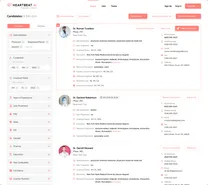
Heartbeat’s hematopathology database covers hematopathology professionals across the United States, including certified hematopathologists, hospital-based hematopathologists, and hematopathology surgical specialists.
Here’s what you can expect from the database:
- Nationwide coverage: records span the entire United States, so you’re not limited to a single region.
- Customizable lists: filter by specialization, credentials, years of experience, and other criteria.
- Versatile use cases: recruiting, lead generation, market analysis, and outreach for hematopathology-related products or services.
- Layered contact detail: names, locations, work and cell numbers, email addresses, specializations, and experience level.
Types of Information Included in the Hematopathologists Database
- Names of hematopathologists
- Location information
- Contact numbers (work, cell, mobile)
- Email addresses
- Specialization details
- Years of professional experience
- Sole proprietor status
- Licensed states information
- License numbers
- Fax numbers
- Physical addresses
 Accuracy & coverage of personal contact info were unrivaled by other platforms… this gives any healthcare recruiter a competitive advantage when engaging hard-to-reach healthcare providers.
Senior Growth Strategist





Benefits of Using a Valid Hematopathologists Mailing List
An accurate, current list changes how outreach actually performs. A few concrete effects worth weighing:

Fewer bounces, faster delivery
Current, verified addresses may reduce delivery failures, but verification does not guarantee that every message will reach its intended recipient.
Less time on manual research
Instead of chasing down contact details hospital by hospital, teams can spend that time on message quality and follow-up.
Sharper targeting
Filtering by specialization or geography lets you focus effort on the hematopathologists most relevant to a given campaign, rather than blasting a generic list.
A more professional first impression
Correct names, titles, and addresses signal that outreach was researched, not scraped and blasted.
Better response rates
Precise targeting can make outreach more relevant. Open and reply rates also depend on factors such as the message, timing, and recipient preferences.
Fewer surprises over time
Regular list refreshes help you catch job changes, new credentials, or relocations before they cost you a wasted outreach attempt.
Who Are You Likely to See in Our Hematopathologists Email Database by Category?
The database describes these hematopathology categories:
| Hematopathologists Categories |
| General Hematopathology |
| Pediatric Hematopathology |
| Molecular Hematopathology |
| Surgical Hematopathology |
| Clinical Hematopathology |
| Experimental Hematopathology |
| Oncological Hematopathology |
| Hemoglobinopathy Expertise |
Available Hematopathologists in Our Email List by States
Heartbeat describes its database as covering hematopathologist records across the United States. Confirm the available records and coverage for your target state with the vendor.
| Hematopathologists by States |
| Hematopathologists in Alabama |
| Hematopathologists in Alaska |
| Hematopathologists in Arizona |
| Hematopathologists in Arkansas |
| Hematopathologists in California |
| Hematopathologists in Colorado |
| Hematopathologists in Connecticut |
| Hematopathologists in Delaware |
| Hematopathologists in Florida |
| Hematopathologists in Georgia |
| Hematopathologists in Hawaii |
| Hematopathologists in Idaho |
| Hematopathologists in Illinois |
| Hematopathologists in Indiana |
| Hematopathologists in Iowa |
| Hematopathologists in Kansas |
| Hematopathologists in Kentucky |
| Hematopathologists in Louisiana |
| Hematopathologists in Maine |
| Hematopathologists in Maryland |
| Hematopathologists in Massachusetts |
| Hematopathologists in Michigan |
| Hematopathologists in Minnesota |
| Hematopathologists in Mississippi |
| Hematopathologists in Missouri |
| Hematopathologists in Montana |
| Hematopathologists in Nebraska |
| Hematopathologists in Nevada |
| Hematopathologists in New Hampshire |
| Hematopathologists in New Jersey |
| Hematopathologists in New Mexico |
| Hematopathologists in New York |
| Hematopathologists in North Carolina |
| Hematopathologists in North Dakota |
| Hematopathologists in Ohio |
| Hematopathologists in Oklahoma |
| Hematopathologists in Oregon |
| Hematopathologists in Pennsylvania |
| Hematopathologists in Rhode Island |
| Hematopathologists in South Carolina |
| Hematopathologists in South Dakota |
| Hematopathologists in Tennessee |
| Hematopathologists in Texas |
| Hematopathologists in Utah |
| Hematopathologists in Vermont |
| Hematopathologists in Virginia |
| Hematopathologists in Washington |
| Hematopathologists in West Virginia |
| Hematopathologists in Wisconsin |
How Heartbeat Compiles the Hematopathologists Email Directory
The process behind the directory follows a consistent sequence:

Defining the target audience
The starting point is identifying exactly who needs to be reached, in this case hematopathologists, rather than pathology as a whole.
Data collection
Heartbeat says records are compiled from public and licensed sources and may include contact details, employment history, and areas of expertise. Ask the vendor which sources and fields apply to the records you plan to use.
Verification and organization
Heartbeat describes checking collected data and removing outdated or duplicate entries. Ask about its verification methods and how it defines and handles outdated records.
Segmentation
Records are then organized by criteria like location, experience level, or hematopathology subspecialty so lists can be filtered for a specific campaign.
Compliance review
Ask the vendor which data-handling requirements apply to the records and intended use, and how any relevant requirements are addressed. HIPAA does not apply to every organization or marketing use.
Why Choose Heartbeat AI’s Hematopathologists Email List Database?

Compliance-minded approach
Ask the vendor to explain its privacy practices and which rules apply to your intended use. Using a list does not by itself ensure compliance or eliminate legal risk.
Ongoing verification
Heartbeat describes an ongoing verification process intended to keep contact information current. Ask how often records are reviewed and what verification entails.
Multi-source data
Data is drawn from more than 200 sources, combining public and private records to improve coverage and reduce reliance on any single directory.
Direct-mail ready formatting
Heartbeat states that its contact details are USPS-verified and CASS-certified. Confirm which records and fields this claim covers, and what documentation is available. Geo-targeting options may help businesses focus on specific regional markets within hematopathology.
What to Consider Before Buying a Hematopathologists Email List

Check the source
Ask where the data comes from and whether the vendor can explain its sourcing. Possible sources to check include medical directories, licensing boards, and professional associations.
Look for customization
A usable database lets you filter by location, subspecialty, or practice setting, so you’re not paying for contacts outside your target segment.
Confirm privacy compliance
Check which data protection and marketing rules apply to your organization, the data, and the intended use. HIPAA and GDPR have specific scopes and do not apply to every list or campaign.
Ask about verification methodology
Ask whether the vendor cross-checks records against multiple sources, how it handles discrepancies, and when the information was last reviewed.
Check the update cadence
Physicians may change practices, retire, or update credentials. Ask how often the list is refreshed and how changes are handled.
Who Uses a Hematopathologists Email Database?

Medical equipment suppliers
Suppliers may use a list to identify hematopathologists relevant to specific lab or diagnostic equipment and tailor outreach. Confirm that the proposed contacts and outreach method are appropriate.
Pharmaceutical companies
Pharmaceutical companies may use contact data to share information about drugs, clinical trials, or research. Check the rules and requirements that apply to the particular communication and trial.
Healthcare recruiters
Healthcare recruiters may use a list to identify potential candidates for hospital and lab positions. The usefulness of direct contact depends on the accuracy of the records and the relevance of the role.
Medical researchers and academics
Researchers use the list to network, share findings, and explore collaborations with hematopathology specialists.
Conference and seminar organizers
Event organizers may use a database to send invitations and program details to hematopathologists who could be relevant to an event.
Healthcare marketing agencies
Agencies use the list to run targeted campaigns for healthcare products, services, or publications aimed at this specialist audience.
Getting More From the List: A Short Workflow

1. Segment before you write anything
Decide who within the list actually needs your message. A pharmaceutical rep and a recruiter should rarely be sending the same version of an email.
2. Lead with the specific benefit
State the message’s purpose clearly and early, whether it concerns a product, a job opening, or a research collaboration.
3. Design for mobile first
Use short paragraphs and a clear call to action so the message is easy to scan on a phone or other device.
4. Include something worth keeping
Consider including a useful resource, such as a white paper, case study, or technical note, alongside promotional content. Its relevance to the recipient will affect whether it encourages engagement.
The Bottom Line
A hematopathologists email list is most useful when its accuracy and coverage fit your outreach goal. Before using one, check its sources, refresh schedule, and filtering options for the subspecialty or region you need. Use the information responsibly and follow the rules that apply to your organization, data, and campaign.
FAQs
Can the hematopathologist email list be customized according to specific needs?
Yes. Lists can typically be filtered by location, specialization, and years of experience, which supports more accurate targeting.
Are there rules to follow when using a hematopathologists email list for marketing?
Yes. Users should respect applicable privacy laws and ethical data handling practices, including using the information responsibly and in line with relevant consent and marketing regulations.
How can healthcare marketing agencies benefit from a hematopathologists email list?
Agencies can use the list to run targeted campaigns promoting healthcare products, services, or medical publications directly to hematopathologists.