Last updated: August 30, 2026

Health informatics sits at the intersection of clinical practice, data science, and IT infrastructure, which means the people who work in it carry titles that vary by organization: informatics analyst, clinical informaticist, EHR specialist, data scientist, health information manager. Finding accurate, current contact details for this group is harder than it looks, because job titles shift and professionals move between health systems, vendors, and consulting roles more often than in many clinical specialties.
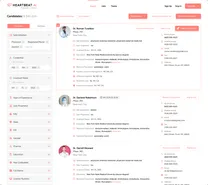
Heartbeat AI maintains a health informatics specialists email list built for outreach, recruiting, and research purposes, with verification processes designed to keep contact records current.
What’s on this page:
What’s Included in the Health Informatics Specialists Email List

The database is built to support targeted, segmented outreach rather than a single generic contact dump. Here’s what that looks like in practice.
- Broad specialist coverage: records span multiple health informatics roles and regions, so you’re not limited to one job title or geography.
- Verification workflow: contact records go through regular checks intended to reduce bounced emails and misdirected calls.
- Privacy-conscious sourcing: data collection is designed to align with applicable data protection and privacy requirements.
- Segmentation options: filter by location, experience level, or informatics specialty to narrow a list down to the people most relevant to your campaign.
Data Fields Typically Included
- Name
- Location
- Work, cell, and mobile phone numbers
- Email address
- Specialization details
- Years of professional experience
- Sole proprietor status
- Licensed state information
- License numbers
- Fax numbers
- Physical mailing addresses
 Accuracy & coverage of personal contact info were unrivaled by other platforms… this gives any healthcare recruiter a competitive advantage when engaging hard-to-reach healthcare providers.
Senior Growth Strategist





Why a Verified Contact List Matters for This Niche

Whether you’re marketing health IT products, recruiting, or running academic research, the quality of your contact data determines how much of your effort actually reaches the right person.
Targeted outreach
Segmenting by specialty, geography, or experience level lets you tailor messaging instead of sending one generic pitch to everyone with “informatics” somewhere in their title.
Lower cost per response
Accurate records reduce wasted sends and calls, which matters most when your outreach budget is limited and each qualified contact counts.
Networking and partnerships
A working directory makes it easier to find collaborators for projects, pilot programs, or advisory panels within the informatics community.
Research and survey recruitment
Studies that require input from practicing informatics professionals depend on being able to reach a real, responsive sample rather than a stale list.
Personalization
Knowing a contact’s specialty and experience level lets you write emails that reference their actual work instead of generic healthcare marketing language.
Health Informatics Specialists by Category
The directory spans several distinct roles within the field, each with different responsibilities and buying influence.
| Health Informatics Specialists by Category |
| Health Informatics Analysts |
| Clinical Informaticians |
| Healthcare Data Scientists |
| Health Information Managers |
| Electronic Health Record (EHR) Specialists |
| Medical Informatics Consultants |
Health Informatics Specialists by State
Coverage extends across all 50 states, which matters if your outreach or recruiting effort is tied to a specific region or licensure jurisdiction.
How the Data Is Compiled

Building a usable directory isn’t a one-time scrape. It’s an ongoing process with several moving parts.
- Aggregation from multiple sources: databases, industry publications, and professional networks are cross-referenced to build out specialist profiles.
- Extraction from records and forms: names, emails, addresses, and phone numbers get pulled from customer records and submitted forms.
- Online sign-up integration: people who opt in through online platforms are added, which tends to produce more responsive contacts.
- Partner collaboration: sales and marketing partners help identify additional leads within the informatics community.
- Ongoing verification: records are periodically checked and updated so the list doesn’t go stale.
What Sets This List Apart

Sourcing from multiple channels
Records draw from official sources, healthcare directories, and professional networks, which helps cross-check accuracy rather than relying on a single feed. The broader network includes access to over 11 million healthcare providers across specialties.
Ongoing verification
Contact data is checked and refreshed on an ongoing basis rather than compiled once and left to age.
Filtering and customization
You can filter by specialization, location, and experience level to build a list that matches a specific campaign instead of working from one undifferentiated file.
Consent-based collection
Data collection practices are designed around a consent-based approach intended to align with regulations like GDPR and the CAN-SPAM Act.
Chrome extension for individual lookups
The Chrome Extension lets you pull contact details for individual profiles while browsing sites like LinkedIn, which is useful when you need one specific contact rather than a bulk list.
What to Check Before Buying Any Health Informatics Email List

Not every vendor list is built the same way. A few questions worth asking before you commit budget to one:
- How often is the data refreshed? Stale records lead to bounces and wasted call time.
- Where does the data come from? Professional associations, credible healthcare directories, and reputable vendors are safer bets than scraped or unverified sources.
- Is collection consent-based and compliant? Confirm the provider’s data practices align with applicable privacy and data protection requirements.
- Is there real-time verification? Lists that are checked continuously, not just at the point of sale, tend to hold their accuracy longer.
Who Typically Uses This Kind of List

Healthcare technology companies
Introducing new health IT software or applications works better when you can reach the specialists evaluating or implementing those tools directly.
Medical equipment manufacturers
Direct outreach to informatics specialists helps surface feedback and understand what healthcare organizations actually need from new devices.
Healthcare marketing agencies
Campaigns aimed at this audience land better when messaging reflects the specific concerns of informatics professionals rather than generic healthcare content.
Healthcare recruiters
Sourcing candidates for informatics roles is faster with direct access to a relevant talent pool instead of relying solely on job board applicants.
Hospitals and health systems
Networking, recruiting, and cross-institution collaboration on informatics projects all benefit from an accurate internal contact base.
Pharmaceutical companies
Communicating about new treatments or research to informatics specialists can surface useful perspective on how data and technology intersect with patient care.
Getting More From the List: A Practical Workflow

Having accurate contacts is only half the job. What you do with them determines the response rate.
- Understand the audience first. Health informatics specialists deal with technology integration challenges that differ from clinical staff. Messaging that ignores this reads as generic.
- Write content specific to informatics. Technology trends, research findings, software updates, or relevant industry events perform better than broad healthcare marketing copy.
- Lead with something useful. A whitepaper, case study, or webinar invitation gives the recipient a reason to engage beyond a sales pitch.
- Make the ask clear. One specific call to action, whether that’s a demo request or a webinar signup, outperforms vague messaging.
- Segment before you send. Splitting by specialty, location, or seniority lets you run smaller, more relevant campaigns instead of one blast to everyone.
- Follow up with intent. Space out follow-ups and base them on prior engagement rather than sending on a fixed schedule regardless of response.
Limitations Worth Knowing
No contact database is perfect. Job titles in health informatics change frequently as roles evolve, and even well-maintained lists will include some contacts who have moved on or changed positions since the last verification cycle. Segmentation quality also depends on how consistently the underlying source data labels specialization and location, so it’s worth spot-checking a sample before running a large campaign.
Conclusion
An accurate, well-segmented health informatics specialists email list saves time and reduces wasted outreach, but it only pays off if the underlying data is verified regularly and used with a plan. Heartbeat AI’s directory is built around that verification process and offers the segmentation options needed to run targeted campaigns rather than mass blasts.
If you want to see how the platform handles your specific use case, trying it directly is the fastest way to find out.
FAQs
What is a health informatics specialists directory?
It’s a database of contact information, including emails and phone numbers, for professionals who work in health informatics roles such as clinical informaticists, EHR specialists, and health information managers.
What criteria can I use to customize the list?
Common filters include specialization, location, and years of experience, which help align the directory with a specific recruiting or outreach goal.
Is the list compliant with data protection regulations?
Heartbeat AI’s data collection is designed around a consent-based approach intended to align with regulations such as GDPR and the CAN-SPAM Act.