Last updated: August 31, 2026
Gastroenterology practices, hospital systems, staffing agencies, and healthcare marketers in Washington State all run into the same problem: finding current, working contact details for gastroenterologists. Directory listings go stale fast. A phone number on a hospital website might route to a front desk that hasn’t updated its referral list in months, and a physician’s email on a group practice page might belong to someone who left the practice years ago.
This page walks through what accurate contact data actually solves for, how Washington’s gastroenterology landscape is organized, and what to look for in a contact list before you buy one.
What’s on this page:
Get a Gastroenterologist Email List for Washington State from Heartbeat
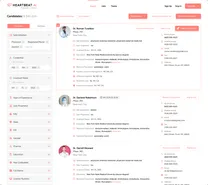
Heartbeat.ai’s platform lets you search and filter licensed healthcare professionals across the United States, including gastroenterologists practicing in Washington State. You can apply filters by specialty, location, and other criteria to build a list, then export contact details in minutes rather than assembling them by hand from directory sites.
The gastroenterology field covers several subspecialties worth knowing when you’re building a targeted list: hepatologists who focus on liver disease, endoscopists who perform diagnostic and therapeutic GI procedures, pediatric gastroenterologists treating children’s digestive conditions, inflammatory bowel disease specialists, and physicians focused on pancreatic and gastrointestinal cancer care. Filtering by these distinctions helps you avoid sending a general outreach message to a pediatric specialist when your product or role is aimed at adult IBD care, or vice versa.
To use the platform, you select the specialty and geography you need, complete the purchase, and the list is available right away. There’s no manual scraping or cross-referencing multiple directories required.
Washington State’s Gastroenterology Landscape
Washington’s gastroenterology care is concentrated around a handful of major health systems, most heavily in the Seattle metro area. Virginia Mason Medical Center in Seattle has built a reputation in esophageal and stomach disorder treatment and advanced endoscopy, and it merged with CHI Franciscan in 2021 to form Virginia Mason Franciscan Health under CommonSpirit Health, though the Seattle hospital continues to operate under its original name. UW Medicine’s University of Washington Medical Center runs a well-regarded gastroenterology and hepatology program with a strong research and complex-case focus. Swedish Medical Center, through its Swedish Digestive Health Institute, operates multiple gastroenterology locations across the Puget Sound region, including sites in Seattle and Issaquah.
Outside the Seattle metro area, coverage thins out. Groups like Western Washington Medical Group in Everett and EvergreenHealth in Kirkland extend gastroenterology access into surrounding suburbs, but rural and eastern Washington communities generally have far fewer specialists per capita, which is consistent with the broader pattern of specialist care clustering in urban centers nationwide.
Why Accurate Contact Information Matters
Contact accuracy plays out differently depending on who’s using the data:
- Patients and referring providers need a working number or email to schedule consultations without delay, particularly for time-sensitive digestive symptoms that warrant prompt evaluation.
- Healthcare recruiters and staffing teams need to reach candidates directly rather than relying on a general practice inbox that may not forward messages to the right physician.
- Medical device, pharma, and health-tech sales teams need to route outreach to the specific gastroenterologist or GI group most likely to use their product, not a generic front-desk line.
- Researchers and professional networking contacts depend on current emails to coordinate studies, conferences, or collaborative projects.
When contact information is wrong, the cost isn’t always obvious. A recruiter might spend weeks trying to reach a candidate who never sees the message, or a marketing campaign might bounce against outdated inboxes, quietly lowering deliverability scores for future campaigns too.
Common Obstacles to Finding Gastroenterologists in Washington
A few practical challenges show up repeatedly when trying to build an accurate list of Washington gastroenterologists:
- Specialist scarcity relative to population — gastroenterology is a smaller subspecialty than primary care, so there are simply fewer providers to track down.
- Uneven geographic distribution — most specialists are clustered in and around Seattle, leaving rural counties with thinner coverage and less publicly available contact information.
- Directory staleness — hospital and practice websites don’t always reflect staff departures, retirements, or new hires in real time.
- Fragmented sourcing — piecing together names, license status, and direct contact details from multiple public sources is time-consuming and easy to get wrong.
Telehealth has helped close some of the geographic gap by letting gastroenterologists consult with patients in underserved areas remotely for certain conditions, though it doesn’t replace in-person endoscopic procedures. For outreach and recruitment purposes, the more durable fix is working from a maintained, filterable database rather than rebuilding contact lists from scratch each time.
What You Get in a Heartbeat Gastroenterologist Contact List
A Heartbeat contact list for gastroenterologists is built to include the fields you’d actually need for outreach or recruitment, not just a name and a general office line.
- Gastroenterologist Name
- Location
- Contact Numbers (Work, Cell, Mobile)
- Email Address
- Specialization
- Years of Experience
- Sole Proprietor Status
- Licensed States
- License Number
- Fax
- Address
Available Gastroenterologists in Our Contact List by State
Discover a comprehensive list of gastroenterologists across all states in our detailed email directory.
| Gastroenterologists by states |
|---|
| Gastroenterologists in Alabama |
| Gastroenterologists in Alaska |
| Gastroenterologists in Arizona |
| Gastroenterologists in Arkansas |
| Gastroenterologists in California |
| Gastroenterologists in Colorado |
| Gastroenterologists in Connecticut |
| Gastroenterologists in Delaware |
| Gastroenterologists in Florida |
| Gastroenterologists in Georgia |
| Gastroenterologists in Hawaii |
| Gastroenterologists in Idaho |
| Gastroenterologists in Illinois |
| Gastroenterologists in Indiana |
| Gastroenterologists in Iowa |
| Gastroenterologists in Kansas |
| Gastroenterologists in Kentucky |
| Gastroenterologists in Louisiana |
| Gastroenterologists in Maine |
| Gastroenterologists in Maryland |
| Gastroenterologists in Massachusetts |
| Gastroenterologists in Michigan |
| Gastroenterologists in Minnesota |
| Gastroenterologists in Mississippi |
| Gastroenterologists in Missouri |
| Gastroenterologists in Montana |
| Gastroenterologists in Nebraska |
| Gastroenterologists in Nevada |
| Gastroenterologists in New hampshire |
| Gastroenterologists in New jersey |
| Gastroenterologists in New mexico |
| Gastroenterologists in New york |
| Gastroenterologists in North carolina |
| Gastroenterologists in North dakota |
| Gastroenterologists in Ohio |
| Gastroenterologists in Oklahoma |
| Gastroenterologists in Oregon |
| Gastroenterologists in Pennsylvania |
| Gastroenterologists in Rhode island |
| Gastroenterologists in South carolina |
| Gastroenterologists in South dakota |
| Gastroenterologists in Tennessee |
| Gastroenterologists in Texas |
| Gastroenterologists in Utah |
| Gastroenterologists in Vermont |
| Gastroenterologists in Virginia |
| Gastroenterologists in Washington |
| Gastroenterologists in West virginia |
| Gastroenterologists in Wisconsin |
| Gastroenterologists in Wyoming |
How This Data Gets Compiled
Heartbeat.ai builds its healthcare provider database by aggregating information from official, private, and public sources, then structuring it into a searchable, filterable format that includes both practice-level and direct contact details where available. Rather than manually cross-referencing hospital directories, licensing boards, and practice websites yourself, you’re working from a dataset that’s already been consolidated.
It’s worth noting that no third-party contact database can guarantee 100% real-time accuracy for every record. Physicians change practices, retire, or update contact details regularly. Any list should be treated as a strong starting point, refreshed periodically, and used alongside standard outreach etiquette like honoring opt-out requests.
Who Uses a Gastroenterologist Contact List Like This?
The use cases span several roles:
- Sales and marketing teams promoting medical devices, diagnostic tools, or pharmaceutical products relevant to GI care.
- Healthcare recruiters and staffing firms sourcing candidates for open gastroenterology positions.
- Independent agents in insurance, real estate, or professional recruiting who need to reach specific physicians.
- Researchers and professional associations coordinating studies, conferences, or continuing education outreach.
Using a Gastroenterologist Contact List Effectively: A Quick Checklist
- Segment your list by subspecialty before drafting outreach — a message relevant to an IBD specialist won’t land the same way with a pediatric gastroenterologist.
- Keep messages short and specific about why you’re reaching out; physicians have limited time between patients and procedures.
- Lead with something useful to the recipient, not just a pitch.
- Always include a clear opt-out option in marketing emails, consistent with standard email compliance practices.
- Refresh or re-verify your list periodically rather than treating a single export as permanent.
Conclusion
Washington’s gastroenterology care is concentrated around a small number of major health systems in the Seattle area, with thinner coverage elsewhere in the state. That concentration, combined with how quickly directory information goes stale, makes a maintained, filterable contact database more practical than manual list-building for recruiters, marketers, and networking professionals working in this space.
Frequently Asked Questions
What does a gastroenterologist do?
A gastroenterologist is a medical doctor who specializes in diagnosing and treating conditions of the digestive system, including the esophagus, stomach, intestines, pancreas, liver, and gallbladder.
How do I find a gastroenterologist in Washington?
Common approaches include asking your primary care physician for a referral, checking your insurance company’s in-network provider directory, or searching hospital system websites directly.
What conditions do gastroenterologists in Washington treat?
Gastroenterologists in Washington diagnose and treat a wide range of digestive disorders, including acid reflux, ulcers, Crohn’s disease, irritable bowel syndrome (IBS), liver disease, and colorectal cancer.
How often should I see a gastroenterologist?
Visit frequency depends on individual medical history and any existing digestive conditions; a primary care physician or gastroenterologist can advise on an appropriate screening or follow-up schedule.