What’s on this page:
Key takeaways
- Generic directories and licensing lookups may not provide current contact details for Maryland emergency physicians.
- A contact list may include names, locations, contact details, specialties, licensing information, and other provider fields.
- Emergency physicians may work irregular shifts or across multiple facilities, so contact information can require verification.
- Maryland’s hospital payment model is relevant context for healthcare outreach, but its effects on staffing can vary by facility.
- Third-party contact databases can contain outdated records; verify contacts before high-stakes outreach.
Last updated: August 30, 2026
Emergency physicians can be difficult to reach through generic contact databases. They work irregular shifts, may split time across multiple facilities, and may not use a single inbox or front-desk line as their primary contact. For recruiters, medical device sales teams, and healthcare marketers targeting Maryland, common sourcing tactics — hospital directories, LinkedIn, and state licensing lookups — may produce partial or outdated information.
This page explains what a Maryland emergency physician contact list may include, why contact accuracy matters for outreach, and what to consider when evaluating a provider database such as Heartbeat.
Get an Email List of Emergency Physicians in Maryland from Heartbeat
Heartbeat.ai says its database covers licensed healthcare professionals across the United States, including emergency medicine specialists in Maryland. The platform allows users to filter by specialty, location, and other criteria to build a targeted list rather than relying on a generic directory.
Emergency medicine isn’t a single job description. A Maryland-focused list may include several subspecialties, each with different outreach considerations:
- Pediatric emergency physicians — treat children in emergency settings and often work in freestanding pediatric EDs or children’s hospitals.
- Sports medicine emergency physicians — manage acute injuries tied to athletic activity.
- Toxicology-trained emergency physicians — handle poisoning and overdose cases.
- Wilderness medicine physicians — trained for remote or austere environments, less common in a mid-Atlantic state but present through outdoor recreation programs.
- Undersea and hyperbaric medicine specialists — treat diving-related injuries and manage hyperbaric oxygen therapy.
- Disaster medicine specialists — coordinate care during mass casualty events.
- EMS physicians — oversee prehospital and out-of-hospital emergency medical care, often in partnership with local EMS agencies.
If your outreach depends on reaching a specific subset of emergency physicians, confirm that a provider database lets you filter by subspecialty rather than grouping everyone under a single "emergency medicine" tag.
Maryland’s Healthcare System: What Makes It Different
Maryland stands out from most states because of how it pays hospitals. The state operates under a Medicare waiver that exempts it from the standard Inpatient and Outpatient Prospective Payment Systems and allows Maryland to set its own hospital rates, with all payers — commercial insurers, Medicare, and Medicaid — paying the same rate for the same services. This system evolved from the original All-Payer Model into the current Total Cost of Care Model, which builds on the earlier model by limiting total Medicare fee-for-service spending rather than just hospital spending, and was found to reduce all-cause acute care hospital admissions by 16.1% from its 2019 launch through 2021.
For anyone building an outreach strategy around Maryland providers, the state’s hospital payment model is an important point of context. Facilities operating under global budgets may have incentives to reduce avoidable admissions and readmissions, which can influence care coordination and other operational priorities. The effect on staffing decisions and emergency department hiring will vary by facility.
Maryland has academic medical centers and teaching hospitals, including in the Baltimore area, that employ emergency physicians and train residents and fellows. Confirm current workforce or training details with the institutions themselves.
Why Accurate Contact Information Matters
Outdated or incomplete contact data creates real friction in a few specific ways:
- Recruitment delays. A stale email address or an outdated phone number can add days or weeks to a hiring cycle, particularly in a specialty already facing tight labor markets.
- Wasted outreach spend. Sales and marketing teams paying for list access want deliverability, not a list full of bounced emails and disconnected numbers.
- Networking gaps. Referral relationships, research collaboration, and continuing education outreach all depend on being able to reach the right physician the first time.
These challenges are not unique to emergency medicine, but shift-based schedules and staffing arrangements can make current contact information particularly useful. The best contact method varies by physician and facility.
Why Sourcing Emergency Physicians in Maryland Is Difficult
A few structural factors make emergency physicians harder to find and contact than many other specialists:
- High shift variability. Emergency physicians frequently work across multiple facilities or staffing groups, so a single hospital directory listing may not reflect their current primary contact.
- Reliance on staffing companies. Many EDs are staffed by contracted physician groups rather than direct hospital employees, which complicates finding a direct line versus a group’s general contact.
- Uneven distribution. Rural and underserved areas of Maryland may have fewer emergency physicians relative to population, making list-building for those regions harder than for the Baltimore-Washington corridor.
- Licensing databases lag reality. State license lookups confirm credentials but rarely include current employer, direct phone, or personal email.
Databases that draw on multiple public, private, and licensing sources may help address gaps in any single directory. They do not eliminate the need for periodic list maintenance and verification.
What a Heartbeat Emergency Physicians Contact List Includes
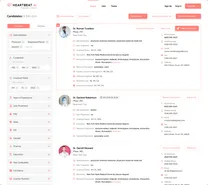
A well-built Maryland emergency physician list should give you enough detail to segment and personalize outreach, not just a name and a general number. Typical fields include:
- Emergency physician’s name
- Location
- Contact numbers (work, cell, mobile)
- Email address
- Specialization
- Years of experience
- Sole proprietor status
- Licensed states
- License number
- Fax
- Address
Emergency Physician Contact Lists by State
Explore emergency physician contact lists for other states below.
| Emergency physicians by states |
|---|
| Emergency physicians in Alabama |
| Emergency physicians in Alaska |
| Emergency physicians in Arizona |
| Emergency physicians in Arkansas |
| Emergency physicians in California |
| Emergency physicians in Colorado |
| Emergency physicians in Connecticut |
| Emergency physicians in Delaware |
| Emergency physicians in Florida |
| Emergency physicians in Georgia |
| Emergency physicians in Hawaii |
| Emergency physicians in Idaho |
| Emergency physicians in Illinois |
| Emergency physicians in Indiana |
| Emergency physicians in Iowa |
| Emergency physicians in Kansas |
| Emergency physicians in Kentucky |
| Emergency physicians in Louisiana |
| Emergency physicians in Maine |
| Emergency physicians in Maryland |
| Emergency physicians in Massachusetts |
| Emergency physicians in Michigan |
| Emergency physicians in Minnesota |
| Emergency physicians in Mississippi |
| Emergency physicians in Missouri |
| Emergency physicians in Montana |
| Emergency physicians in Nebraska |
| Emergency physicians in Nevada |
| Emergency physicians in New hampshire |
| Emergency physicians in New jersey |
| Emergency physicians in New mexico |
| Emergency physicians in New york |
| Emergency physicians in North carolina |
| Emergency physicians in North dakota |
| Emergency physicians in Ohio |
| Emergency physicians in Oklahoma |
| Emergency physicians in Oregon |
| Emergency physicians in Pennsylvania |
| Emergency physicians in Rhode island |
| Emergency physicians in South carolina |
| Emergency physicians in South dakota |
| Emergency physicians in Tennessee |
| Emergency physicians in Texas |
| Emergency physicians in Utah |
| Emergency physicians in Vermont |
| Emergency physicians in Virginia |
| Emergency physicians in Washington |
| Emergency physicians in West virginia |
| Emergency physicians in Wisconsin |
| Emergency physicians in Wyoming |
How Heartbeat Compiles Emergency Physician Data
Heartbeat says it aggregates provider information from public, private, and official sources to build profiles of U.S. healthcare providers, including direct contact details where available. The platform says it cross-references multiple data sources; as with any third-party contact database, users should expect some records to require periodic verification, especially when physicians change employers or practice locations.
Who Uses an Emergency Physicians Email List?
The use cases for a specialty-specific contact list are broader than they might first appear:
- Healthcare recruiters filling emergency medicine positions
- Medical device and pharmaceutical sales teams targeting ED decision-makers
- Locum tenens and staffing agencies
- Researchers recruiting participants or collaborators for clinical studies
- Continuing medical education providers marketing courses or conferences
- Healthcare consultants and market researchers
Using an Emergency Physician Contact List Responsibly
A contact list is only as useful as the outreach built around it. A few practical guidelines apply regardless of which database you use:
- Segment before you send. A pediatric emergency physician and an EMS physician have different priorities — don’t send identical messaging to both.
- Respect working hours. Emergency physicians often work overnight or rotating shifts; a message timed for a typical 9-to-5 audience may land at the wrong moment.
- Keep messaging concise. Physicians in high-acuity specialties have limited time for unsolicited outreach — get to the point quickly.
- Follow applicable communication laws. Email and cold-calling regulations (such as CAN-SPAM and TCPA requirements) apply to healthcare outreach the same as any other industry — build consent and opt-out mechanisms into your process.
- Refresh your list periodically. Physician contact information changes when providers switch employers, relocate, or retire; treat any purchased or licensed list as a starting point rather than a permanent record.
Limitations to Keep in Mind
No third-party database, including Heartbeat’s, guarantees perfect accuracy at scale. Contact information for a large group of licensed professionals may include outdated entries, and coverage can vary by region. Verifying newly acquired contacts before high-stakes outreach, such as a formal job offer or a contractual pitch, remains good practice.
Frequently Asked Questions
What services do emergency physicians in Maryland provide?
Emergency physicians diagnose and treat acute medical conditions, stabilize patients, and coordinate handoffs to specialists or inpatient teams as needed.
How can I find emergency physicians in Maryland?
Options include state licensing board lookups, hospital and health system directories, professional associations, and third-party provider databases that aggregate contact and credentialing data.
Do emergency physicians in Maryland accept insurance?
Most emergency physicians bill through their hospital or staffing group and participate in a range of insurance networks, but coverage and network status should be confirmed directly with the provider or facility.