Last updated: August 30, 2026
Emergency nurses in Texas cover trauma bays, pediatric emergency departments, flight transport, and everything in between, often working nights, holidays, and back-to-back shifts most people never see. For recruiters, medical device reps, and healthcare marketers, reaching this workforce directly is harder than it looks — job titles vary by hospital system, contact details change with every shift rotation, and generic staff directories rarely include a working cell number or personal email.
This guide covers what makes emergency nursing contact data useful, the practical hurdles in sourcing it accurately, and how a verified list can support recruitment, networking, and outreach without wasting time on outdated information.
What’s on this page:
Get an Email List of Emergency Nurses in Texas from Heartbeat
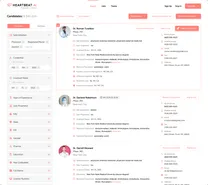
Heartbeat.ai maintains a searchable database of licensed healthcare professionals across the United States, including emergency nurses in Texas. You can apply filters for specialization, location, and experience level to narrow down the right contacts before reaching out.
Emergency nursing isn’t a single job title. Depending on your outreach goal, you may need to reach a specific type of emergency nurse rather than the broader category:
- Trauma nurses — focused on severe and life-threatening injuries.
- Pediatric emergency nurses — handle emergency care for children.
- Flight emergency nurses — provide care during air or ground patient transport.
- Certified emergency nurses — hold a specialty certification credential.
- Emergency clinical nurse specialists — advanced-degree RNs specializing in emergency care.
- Emergency nurse practitioners — advanced practice nurses with a master’s-level focus on emergency medicine.
Segmenting your list by these roles usually produces better response rates than a one-size-fits-all outreach campaign, since a trauma nurse and a pediatric emergency nurse have very different day-to-day priorities.
Overview of the Healthcare Industry in Texas
Texas has one of the largest healthcare systems in the country, with major hospital networks and academic medical centers such as Houston Methodist Hospital, UT Southwestern Medical Center, and Baylor University Medical Center operating high-volume emergency departments. These systems rely on large teams of emergency nurses with varied specializations to keep pace with patient demand across urban and rural areas alike.
Because Texas covers such a wide geography — from major metro hospitals to rural trauma centers — contact data needs to reflect regional differences, not just a single statewide snapshot.
Why Accurate Contact Information Matters
Outdated or incomplete contact information causes real friction in three areas:
- Recruitment: A missed call or bounced email during a hiring window often means the candidate accepts another offer before you follow up.
- Scheduling and operations: Shift changes, credential updates, and staffing adjustments depend on nurses being reachable through current channels.
- Professional networking: Conferences, continuing education, and peer collaboration all rely on contact details staying current between interactions.
None of this is unique to Texas, but the state’s nursing shortage (discussed below) raises the cost of every missed connection.
Challenges in Reaching Emergency Nurses in Texas
Nursing shortages driven by an aging workforce, limited numbers of new graduates, and rising demand for emergency care have made hiring more competitive across Texas hospital systems. These pressures intensify during surges in patient volume, when hospitals need to staff up quickly.
A few practical ways healthcare organizations are addressing this:
- Centralize candidate data. Staffing software that consolidates resumes, licenses, and contact details cuts down on manual searching.
- Use predictive staffing patterns. Historical data on seasonal demand helps flag when contract or per-diem staff will be needed.
- Move early interview stages online. Virtual screening interviews reduce the lead time between first contact and offer.
- Track credentials and shift history in one place. This makes reallocating staff during a surge faster and less error-prone.
Any of these approaches only work if the underlying contact data is accurate — and if it’s handled in a way that respects HIPAA and general data-privacy obligations. A fast hiring process built on a stale contact list still fails at the first step.
What’s Included in Heartbeat’s Emergency Nurses Contact Data
Heartbeat’s database is organized to support both statewide and nationwide outreach to emergency nurses, with records that typically include:
- Emergency nurse’s name
- Location
- Contact numbers (work, cell, mobile)
- Email address
- Specialization
- Years of experience
- Sole proprietor status
- Licensed states
- License number
- Fax
- Address
Available Emergency Nurses in Our Contact List by State
Emergency nurse contact records are available across the following states:
| Emergency nurses by states |
|---|
| Emergency nurses in Alabama |
| Emergency nurses in Alaska |
| Emergency nurses in Arizona |
| Emergency nurses in Arkansas |
| Emergency nurses in California |
| Emergency nurses in Colorado |
| Emergency nurses in Connecticut |
| Emergency nurses in Delaware |
| Emergency nurses in Florida |
| Emergency nurses in Georgia |
| Emergency nurses in Hawaii |
| Emergency nurses in Idaho |
| Emergency nurses in Illinois |
| Emergency nurses in Indiana |
| Emergency nurses in Iowa |
| Emergency nurses in Kansas |
| Emergency nurses in Kentucky |
| Emergency nurses in Louisiana |
| Emergency nurses in Maine |
| Emergency nurses in Maryland |
| Emergency nurses in Massachusetts |
| Emergency nurses in Michigan |
| Emergency nurses in Minnesota |
| Emergency nurses in Mississippi |
| Emergency nurses in Missouri |
| Emergency nurses in Montana |
| Emergency nurses in Nebraska |
| Emergency nurses in Nevada |
| Emergency nurses in New hampshire |
| Emergency nurses in New jersey |
| Emergency nurses in New mexico |
| Emergency nurses in New york |
| Emergency nurses in North carolina |
| Emergency nurses in North dakota |
| Emergency nurses in Ohio |
| Emergency nurses in Oklahoma |
| Emergency nurses in Oregon |
| Emergency nurses in Pennsylvania |
| Emergency nurses in Rhode island |
| Emergency nurses in South carolina |
| Emergency nurses in South dakota |
| Emergency nurses in Tennessee |
| Emergency nurses in Texas |
| Emergency nurses in Utah |
| Emergency nurses in Vermont |
| Emergency nurses in Virginia |
| Emergency nurses in Washington |
| Emergency nurses in West virginia |
| Emergency nurses in Wisconsin |
| Emergency nurses in Wyoming |
How This Data Is Compiled
Heartbeat aggregates healthcare provider data from roughly 200 sources, combining public, official, and private records to build direct contact profiles that include cell phone numbers and personal email addresses rather than just general hospital switchboard numbers. According to Heartbeat, its database covers approximately 11 million healthcare professionals nationwide, including around 8.8 million direct cell phone numbers, 9.3 million personal email addresses, and 6 million direct dial numbers.
Heartbeat also states that its predictive matching model reaches roughly 84% accuracy on cell phone numbers and 92% accuracy on personal email addresses. As with any large contact database, accuracy rates are averages — individual records should still be verified before high-stakes outreach like formal job offers.
Who Uses an Emergency Nurses Email List?
Contact lists like this typically serve a mix of use cases:
- Healthcare staffing agencies and hospital HR teams sourcing candidates for open emergency department roles.
- Medical device, pharmaceutical, and health-tech companies marketing products relevant to emergency care.
- Professional associations and continuing-education providers reaching nurses about certifications or conferences.
- Researchers or public health organizations coordinating with frontline emergency staff.
How to Use the List Effectively
A verified contact list is only as useful as the process built around it. A few practical guidelines:
- Segment before you send. A trauma nurse and a flight nurse won’t respond to the same pitch — tailor messaging by specialization.
- Respect time constraints. Emergency nurses work unpredictable shifts; keep messages short and get to the point quickly.
- Confirm legitimate purpose. Recruitment, professional networking, and relevant B2B marketing are appropriate uses; anything outside that risks violating privacy expectations.
- Follow data protection requirements. Obtain necessary consents and follow applicable regulations before launching outreach campaigns.
- Keep records current. Nurses change roles and employers often; periodic list refreshes reduce bounce rates and wasted outreach.
Conclusion
Finding accurate, current contact information for emergency nurses in Texas is a real operational bottleneck for recruiters, marketers, and healthcare organizations alike. A well-maintained contact database narrows that gap by combining verified details — names, direct numbers, emails, specializations, and licensing — into a single searchable resource, making it easier to reach the right emergency nursing professional without relying on outdated directories.
Frequently Asked Questions
What qualifications are required to become an emergency nurse in Texas?
Emergency nurses in Texas generally need an active registered nursing (RN) license, completion of an accredited nursing program, and clinical experience in critical or emergency care settings. Some roles also require specialty certifications.
What are the typical duties of emergency nurses in Texas?
Emergency nurses assess patients, administer medications, monitor vital signs, coordinate with physicians and other staff, and help ensure patients receive timely, appropriate care during emergency situations.
What are the job prospects like for emergency nurses in Texas?
Demand for emergency nurses remains steady across Texas, particularly in high-volume urban hospitals, trauma centers, and urgent care settings, with additional opportunities in flight transport and government healthcare agencies.