Last updated: August 31, 2026
Alabama’s dental care market is large, fragmented, and unevenly distributed — which makes accurate contact data more valuable, not less, for anyone doing outreach, recruiting, or partnership work in the state. This piece looks at the shape of the market, the practical challenges of finding current clinic contacts, and how a verified provider database like Heartbeat’s fits into that work.
What’s on this page:
Get the Best Email List of Dental Clinics in Alabama from Heartbeat
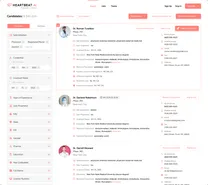
Heartbeat.ai’s database covers licensed healthcare professionals across the United States, including dental providers in Alabama. You can filter by specialty, location, and other criteria to build a targeted list rather than working from a generic directory.
The Alabama dental list spans general dentistry, cosmetic dentistry, pediatric dentistry, orthodontics, endodontics, prosthodontics, periodontics, and oral and maxillofacial surgery. If your outreach targets a specific specialty — say, pediatric providers for a school partnership or oral surgeons for a device launch — filtering by specialty saves time compared to sorting through an unsegmented list.
Alabama’s Dental Care Landscape
Alabama has over 2,400 active dentists serving a population of nearly 5 million residents, giving the state a dentist-to-population ratio of roughly 49 per 100,000 people, below the national average of 61 per 100,000. That gap matters for anyone planning outreach: it means fewer providers to reach, but also a workforce that is stretched thin and often harder to schedule around.
Access is not even across the state. Alabama has a higher overall rate of dentists per population than the U.S., but urban counties have a rate of dentists per population more than twice that of rural counties. Several Alabama counties have either no dentists or just one — three counties have none at all, and one county’s single dentist is 60 years old and practices only two days a week. For recruiters and marketers, this means rural Alabama clinics deserve extra attention in a contact strategy, since they’re the hardest to find through casual search and the most likely to have outdated web listings.
UAB School of Dentistry has worked to identify, recruit, and prepare dentists committed to practicing in rural Alabama, and has built partnerships aimed at addressing the state’s dental workforce needs. That training pipeline is a useful reference point if you’re researching where new dental talent in Alabama tends to come from, though placement outcomes vary and shouldn’t be assumed uniform across specialties.
Why Accurate Contact Information Matters
For patients, current contact details mean fewer dropped calls and delayed appointments. For recruiters, it means reaching the right decision-maker at a clinic without wasting cycles on disconnected numbers or bounced emails. For vendors and partners, it means the difference between a productive outreach campaign and one that gets flagged as spam because too many messages never land.
A few practical consequences of working from stale data:
- Recruitment outreach stalls when phone numbers or emails on file belong to a provider who has switched practices.
- Marketing campaigns waste budget sending to inactive addresses, which can also hurt sender reputation.
- Referral and partnership requests go unanswered simply because they never reach the right inbox.
Challenges in Finding Alabama Dental Clinics
Locating a specific dental clinic in Alabama — or verifying that its listed contact details are current — is harder than it should be, especially outside major metro areas. Difficulty traveling to a dentist is a recognized barrier in parts of the state, and sparse rural coverage compounds the problem for anyone trying to build a complete contact list by hand.
Public health researchers have flagged this as more than an inconvenience. Many Alabama counties are at risk of significant loss of dental services, a trend researchers have described as a genuine crisis. Strategies being discussed to address the shortage include offering loan repayment incentives for dentists who work in rural areas and targeting in-state students for recruitment through dental school and residency programs, along with mobile dental units and teledentistry to extend reach into underserved communities.
None of this makes manual list-building impossible, but it does mean generic web searches and outdated directories will miss providers who have moved, retired, or opened new practices. A maintained database that’s refreshed on a regular cycle is the more reliable route if outreach volume or accuracy matters to your work.
What Heartbeat’s Alabama Dental Contact List Includes
Heartbeat’s database compiles clinic and provider-level details, including names, locations, phone numbers, email addresses, and specialization. The goal is to remove the guesswork of tracking down a specific specialty in a specific region, whether you’re a dental equipment supplier, an insurance partner, or a recruiter filling an open position.
- Dental clinic name
- Location
- Contact numbers (work, cell, mobile)
- Email address
- Specialization
- Years of experience
- Sole proprietor status
- Licensed states
- License number
- Fax
- Address
 Accuracy & coverage of personal contact info were unrivaled by other platforms… this gives any healthcare recruiter a competitive advantage when engaging hard-to-reach healthcare providers.
Senior Growth Strategist





Dental Clinic Lists by State
Browse dental clinic contact lists for other states below.
| Dental clinics by states |
|---|
| Dental clinics in Alabama |
| Dental clinics in Alaska |
| Dental clinics in Arizona |
| Dental clinics in Arkansas |
| Dental clinics in California |
| Dental clinics in Colorado |
| Dental clinics in Connecticut |
| Dental clinics in Delaware |
| Dental clinics in Florida |
| Dental clinics in Georgia |
| Dental clinics in Hawaii |
| Dental clinics in Idaho |
| Dental clinics in Illinois |
| Dental clinics in Indiana |
| Dental clinics in Iowa |
| Dental clinics in Kansas |
| Dental clinics in Kentucky |
| Dental clinics in Louisiana |
| Dental clinics in Maine |
| Dental clinics in Maryland |
| Dental clinics in Massachusetts |
| Dental clinics in Michigan |
| Dental clinics in Minnesota |
| Dental clinics in Mississippi |
| Dental clinics in Missouri |
| Dental clinics in Montana |
| Dental clinics in Nebraska |
| Dental clinics in Nevada |
| Dental clinics in New hampshire |
| Dental clinics in New jersey |
| Dental clinics in New mexico |
| Dental clinics in New york |
| Dental clinics in North carolina |
| Dental clinics in North dakota |
| Dental clinics in Ohio |
| Dental clinics in Oklahoma |
| Dental clinics in Oregon |
| Dental clinics in Pennsylvania |
| Dental clinics in Rhode island |
| Dental clinics in South carolina |
| Dental clinics in South dakota |
| Dental clinics in Tennessee |
| Dental clinics in Texas |
| Dental clinics in Utah |
| Dental clinics in Vermont |
| Dental clinics in Virginia |
| Dental clinics in Washington |
| Dental clinics in West virginia |
| Dental clinics in Wisconsin |
| Dental clinics in Wyoming |
How Heartbeat Compiles Its Dental Clinic Data
Heartbeat.ai aggregates provider records from a wide range of official, private, and public sources, matching them with cell phone and personal email data where available. The database covers healthcare professionals across the U.S., including cell phone numbers, personal email addresses, and direct dial numbers, with predictive modeling used to fill gaps where a direct match isn’t yet confirmed. Coverage and match rates vary by specialty and region, and Alabama’s rural counties — given the workforce gaps noted above — are a good example of where verification against a live source still matters before you launch a campaign.
Who Uses a Dental Clinic Contact List Like This?
Sales and marketing teams use it for lead generation and targeted outreach. Recruiters use it to reach candidates and references directly instead of relying on a clinic’s general front-desk line. Digital agencies use it for ad targeting and list-based email campaigns. Job seekers and independent dental professionals use it for networking. Nonprofits and public health groups use it for outreach tied to access-to-care initiatives, which is especially relevant in a state with documented rural shortages.
A Practical Checklist Before You Reach Out
- Confirm the specialty match — a general practice contact isn’t useful for an oral surgery-specific campaign.
- Check whether the clinic is rural or urban; rural contacts may have different response windows given smaller staff.
- Keep messages short and specific to the recipient’s role — dental staff have limited time between patients.
- Respect privacy and data-use rules when handling any personal contact information.
- Refresh your list periodically rather than treating any static export as permanent.
Conclusion
Alabama’s dental care market is sizable but unevenly distributed, with real access gaps in rural counties and a workforce that public health researchers describe as under strain. That combination makes accurate, specialty-filtered contact data more useful than a generic directory for recruiters, marketers, and partners working in the state. A maintained provider database won’t fix Alabama’s workforce shortage, but it does make it easier to reach the right people without wasting time on outdated listings.
Frequently Asked Questions
How many dental clinics are in Alabama?
Estimates vary by data source and how a “clinic” is defined, but third-party business databases have placed the count in the range of a few hundred active dental clinics statewide. Figures shift as practices open, close, or merge, so treat any single number as an approximation.
What services do dental clinics in Alabama typically offer?
Most general practices offer routine cleanings, fillings, extractions, and root canals, while specialty clinics handle orthodontics, oral surgery, periodontics, and cosmetic procedures. Availability varies by clinic and region.
How can I find a dental clinic in Alabama near me?
Online directories, insurance provider networks, and recommendations from local contacts are the most direct routes. In rural counties with few or no dentists, checking with the nearest Federally Qualified Health Center or a regional dental school clinic can also help.