Last updated: August 31, 2026
Georgia’s hospitals and health systems depend on clinical directors to keep departments running, staff supervised, and patient care standards met. If you’re a recruiter, medical sales rep, or healthcare marketer trying to reach these decision-makers, the biggest obstacle usually isn’t finding a list of names — it’s finding current, accurate contact details that don’t bounce or go stale within a few months.
This guide covers what clinical directors do in Georgia’s healthcare system, why accurate contact data matters for recruitment and outreach, the practical challenges of sourcing this data, and how Heartbeat’s contact database can help.
What’s on this page:
Get a List of Clinical Directors in Georgia from Heartbeat
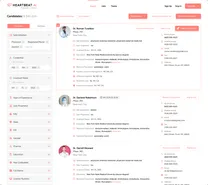
Heartbeat.ai’s platform lets you search and filter licensed healthcare professionals across the United States, including clinical directors across specialties. You can narrow results by location, specialty, and other filters to build a targeted contact list instead of a generic one.
The clinical director role spans a wide range of specialties — oncology, mental health, surgical services, pharmacy, and clinical research, among others. Whatever segment of the healthcare industry you’re targeting, filtering by specialty and location helps you avoid wasting outreach on the wrong contacts.
To get started, visit Heartbeat.ai and set up your filters. If you have questions about coverage or how the data is sourced, you can reach out directly through the site.
Clinical Directors in Georgia’s Healthcare System
Georgia’s healthcare system includes a mix of academic medical centers, public safety-net hospitals, and pediatric specialty systems, each relying on clinical directors to manage day-to-day operations and clinical quality.
Emory Healthcare is the most comprehensive health system in Georgia, with seven hospitals in metro Atlanta, 23 regional affiliate hospitals, outpatient locations in 24 counties, more than 2,000 physician providers, and more than 600,000 unique patients a year. Grady Hospital is a publicly-owned, safety-net facility with one of Atlanta’s two Level 1 trauma centers. Grady Health System is the largest public hospital–based health system in the Southeast, providing more than 200 specialty and subspecialty health care clinics.
Emory faculty also provide specialized care, conduct research, and teach at Children’s Healthcare of Atlanta, one of the largest pediatric health care systems in the country. These affiliations mean clinical directors at these institutions often coordinate across multiple sites and departments, not just a single facility, which adds complexity to their role and makes accurate title and location data harder to keep current.
Why Accurate Contact Information Matters
Outdated or incomplete contact data creates friction at every stage of outreach, whether the goal is recruitment, sales, or professional networking.
- Recruitment: Hiring teams need direct lines to hiring managers and department leads, not general facility switchboards that route calls through multiple departments.
- Continuity of communication: When a clinical director changes roles or facilities, stale contact records lead to missed follow-ups and wasted outreach cycles.
- Networking: Peer-to-peer connections between clinical directors depend on being able to actually reach the right person, not just find their name in a directory.
- Compliance and efficiency: Sales and marketing teams working under time constraints need contact data that doesn’t require manual verification before every call or email.
Why Sourcing Clinical Director Data in Georgia Is Difficult
A few practical factors make this harder than it looks:
- Turnover and title changes: Clinical directors move between facilities or shift into different administrative roles, and public directories rarely update quickly.
- Multi-site affiliations: Because many Georgia hospitals operate under larger networks (as with Emory’s affiliate system), a director’s listed employer may not reflect where they actually work day to day.
- Rural vs. urban distribution: Facilities outside metro Atlanta often have thinner online presences, making manual research slower.
- Generic contact channels: Hospital directories frequently list departmental phone lines rather than direct numbers or emails for individual directors.
A decision-support checklist for evaluating any contact data source: does it separate personal contact details from general facility numbers, does it indicate specialty and current employer, and does it get refreshed on a regular cycle rather than being a static export from a few years ago.
What’s Included in Heartbeat’s Clinical Director Contact Lists
Heartbeat’s database is built to go beyond a bare name-and-number list. Typical fields include:
- Clinical director name
- Location
- Contact numbers (work, cell, mobile)
- Email address
- Specialization
- Years of experience
- Sole proprietor status
- Licensed states
- License number
- Fax
- Address
Clinical Directors by State
Browse contact lists for clinical directors in other states below.
| Clinical directors by states |
|---|
| Clinical directors in Alabama |
| Clinical directors in Alaska |
| Clinical directors in Arizona |
| Clinical directors in Arkansas |
| Clinical directors in California |
| Clinical directors in Colorado |
| Clinical directors in Connecticut |
| Clinical directors in Delaware |
| Clinical directors in Florida |
| Clinical directors in Georgia |
| Clinical directors in Hawaii |
| Clinical directors in Idaho |
| Clinical directors in Illinois |
| Clinical directors in Indiana |
| Clinical directors in Iowa |
| Clinical directors in Kansas |
| Clinical directors in Kentucky |
| Clinical directors in Louisiana |
| Clinical directors in Maine |
| Clinical directors in Maryland |
| Clinical directors in Massachusetts |
| Clinical directors in Michigan |
| Clinical directors in Minnesota |
| Clinical directors in Mississippi |
| Clinical directors in Missouri |
| Clinical directors in Montana |
| Clinical directors in Nebraska |
| Clinical directors in Nevada |
| Clinical directors in New hampshire |
| Clinical directors in New jersey |
| Clinical directors in New mexico |
| Clinical directors in New york |
| Clinical directors in North carolina |
| Clinical directors in North dakota |
| Clinical directors in Ohio |
| Clinical directors in Oklahoma |
| Clinical directors in Oregon |
| Clinical directors in Pennsylvania |
| Clinical directors in Rhode island |
| Clinical directors in South carolina |
| Clinical directors in South dakota |
| Clinical directors in Tennessee |
| Clinical directors in Texas |
| Clinical directors in Utah |
| Clinical directors in Vermont |
| Clinical directors in Virginia |
| Clinical directors in Washington |
| Clinical directors in West virginia |
| Clinical directors in Wisconsin |
| Clinical directors in Wyoming |
Who Uses Clinical Director Contact Lists
Sales and marketing teams, healthcare recruiters, agencies, researchers, and business development professionals all use contact lists like this, typically for lead generation, candidate sourcing, or building professional networks within a specific state or specialty.
Getting the Most Out of a Contact List
A few practices tend to separate effective outreach from wasted effort:
- Segment by specialty and facility type before you start outreach, rather than treating all clinical directors as one audience.
- Match your channel to the purpose — a recruiting message probably belongs in email first, not a cold call.
- Keep messaging short and specific about why you’re reaching out; clinical directors are busy administrators, not passive list recipients.
- Follow applicable privacy and communication regulations for your outreach type, including consent and opt-out requirements where relevant.
Limitations to Keep in Mind
No contact database is perfect. Titles change, people move between facilities, and multi-site health systems can make it unclear which location a director is actually based at on any given day. Treat any purchased or licensed list as a strong starting point that still benefits from periodic verification, especially for high-value outreach like recruitment.
Conclusion
Reaching clinical directors in Georgia effectively comes down to having contact data that’s current, specific, and matched to your actual outreach goal. Heartbeat.ai’s filtering tools are built to help recruiters, marketers, and healthcare businesses connect with the right people faster than manual research allows.
Frequently Asked Questions
What are the typical responsibilities of clinical directors in Georgia?
Clinical directors generally oversee facility operations, develop and enforce policies and procedures, manage departmental budgets, and ensure compliance with state and federal healthcare regulations.
What qualifications are required to become a clinical director in Georgia?
Most clinical directors hold a graduate degree in a healthcare-related field, have several years of healthcare management experience, and maintain a current license to practice in their profession.
How competitive is the job market for clinical directors in Georgia?
Opportunities exist across hospitals, clinics, nursing homes, and specialty care settings statewide. Candidates with strong healthcare management and leadership backgrounds tend to be most competitive.