Last updated: August 28, 2026

Clinical biochemists work at the intersection of laboratory science and patient diagnostics, interpreting biochemical test results that inform treatment decisions across hospitals, reference labs, and research settings. Reaching this group by email or phone is harder than it sounds: many work inside institutional systems, use generic departmental inboxes, or simply aren’t listed in public directories.
This page walks through what a clinical biochemists email list typically contains, how a provider like Heartbeat compiles one, and what to check before you buy or use a list for outreach.
What’s on this page:
What’s Included in a Clinical Biochemists Contact List
A usable list goes beyond a name and an email address. Heartbeat’s clinical biochemists database is organized by state and by professional segment so users can narrow a list to the specific group they need to reach.
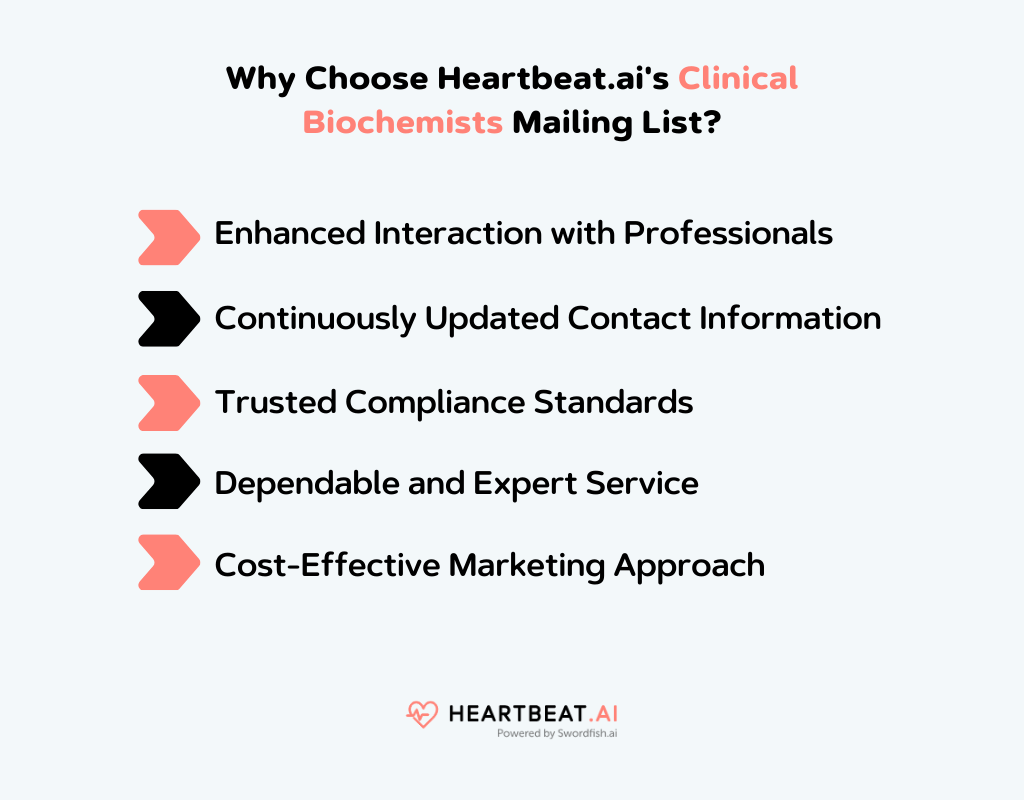
- Broad coverage: Records span clinical biochemists across the US, which supports both regional and national outreach.
- Refreshed contacts: Lists are updated periodically rather than pulled once and left static, reducing the number of dead emails and disconnected numbers over time.
- Segmentation: Contacts can be filtered by criteria such as state, specialization, or years of experience, so campaigns aren’t sent to an entire undifferentiated list.
- Professional context: Fields like specialization and licensing detail help you personalize outreach instead of sending a generic message.
- Custom pulls: You can request a subset built around a specific region or focus area rather than working from one static file.
Typical Data Fields
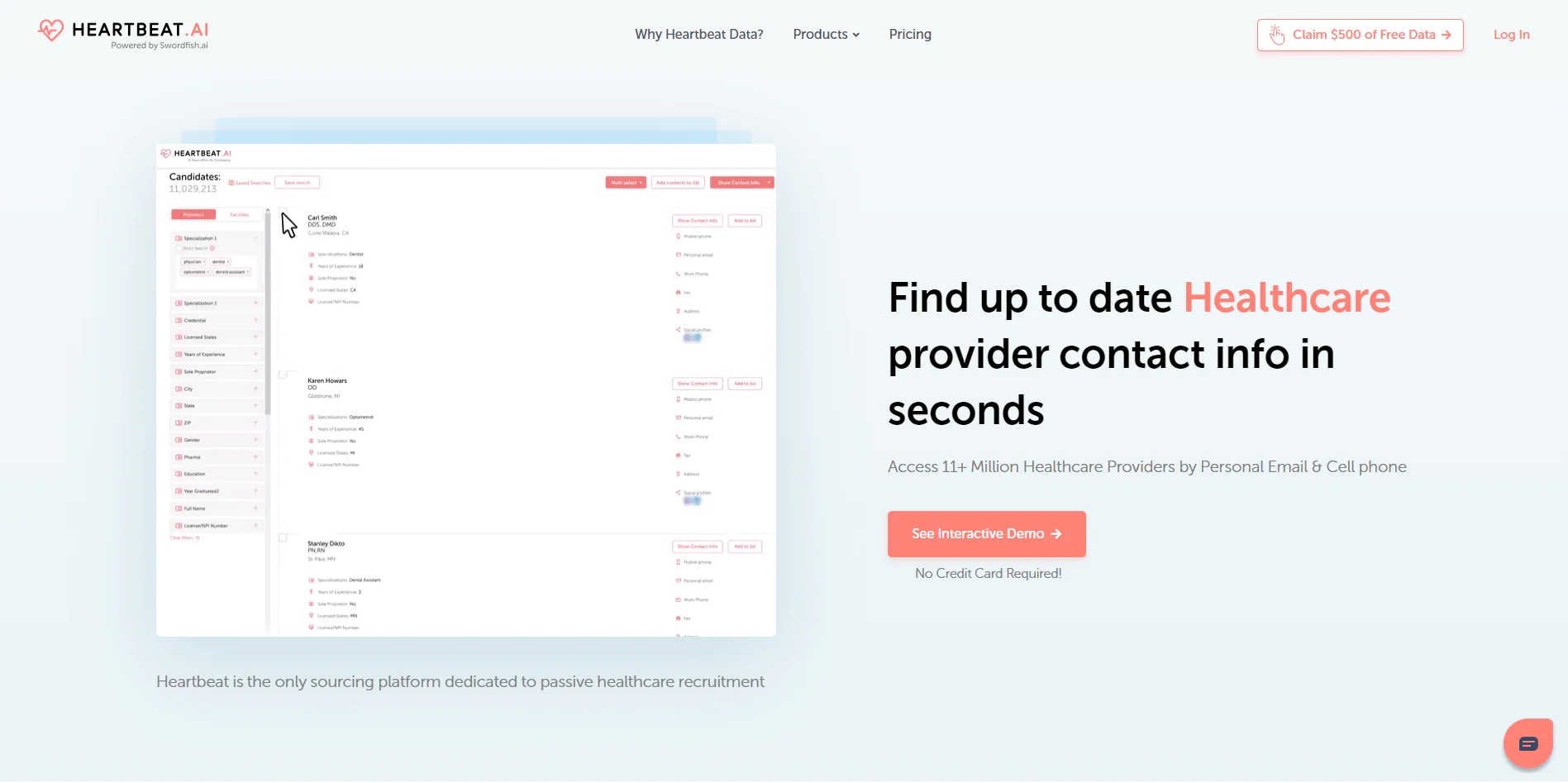
- Name
- Location and address
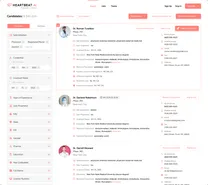
- Work, cell, and mobile phone numbers
- Email address
- Specialization
- Years of experience
- Sole proprietor status
- Licensed states and license number
- Fax number
 Accuracy & coverage of personal contact info were unrivaled by other platforms… this gives any healthcare recruiter a competitive advantage when engaging hard-to-reach healthcare providers.
Senior Growth Strategist






Why a Verified List Matters
An unverified or scraped list creates two problems: wasted send volume on dead addresses, and reputational risk if messages come across as spam to professionals who never opted in. A properly maintained mailing list addresses both.
- Focused targeting: Filtering to licensed clinical biochemists keeps messages relevant to the recipient’s actual role.
- Better engagement: Accurate, targeted lists tend to see stronger open and response rates than broad, unfiltered ones.
- Lower waste: Fewer bounces and undeliverable emails mean your budget goes toward contacts who can actually respond.
- Reputation: Relevant, well-targeted outreach reads as professional rather than as spam, which matters in a small specialty community where reputation travels fast.
- Direct access: A working email or phone number skips the gatekeeping that often blocks cold outreach through institutional switchboards.
Related Specialist Categories
Clinical biochemistry overlaps with several adjacent specialties. Depending on your outreach goal, you may also want lists for the following groups:
| Specialist |
| Pediatricians |
| Endocrinologists |
| Clinical Biochemical Geneticists |
| Clinical Toxicologists |
| Clinical Molecular Biologists |
State-Level Availability
Contacts are organized by state so campaigns can be scoped to a single region or expanded nationally as needed.
How the Data Is Compiled
Building a usable clinical biochemists list is less about scraping and more about a repeatable process:
- Collection: Records are pulled from healthcare databases, professional networks, licensing boards, and industry conferences to build a broad base.
- Cleansing and deduplication: Outdated, incorrect, or duplicate entries are removed so each record on the list is unique and current.
- Categorization: Contacts are organized by specialization and experience level, which makes segmentation possible later.
- Compliance review: Collection and compilation practices are checked against applicable privacy and consent standards.
- Ongoing maintenance: Lists are revisited periodically to reflect job changes, new contact details, or shifts in professional status.
What Heartbeat’s Clinical Biochemists Database Offers
Heartbeat Prospector maintains a database built for healthcare outreach specifically, rather than a general-purpose business contact list repurposed for the medical field.
Reach and Accuracy
The platform reports over 9.3 million personal email addresses and 8.8 million direct cell phone numbers across its healthcare database, with a stated 92% accuracy rate on emails and 84% on cell numbers. Treat any provider’s accuracy figures as a starting point for evaluation rather than a guarantee, and validate a sample before committing to a large campaign.
Update Cadence
Heartbeat states that contact details for over 11 million US healthcare professionals are kept current through regular refresh cycles, which matters given how often clinicians change roles or institutions.
Compliance Posture
The platform states its data practices are built around industry compliance standards. Buyers should still confirm compliance requirements relevant to their own use case, since obligations can vary by campaign type and jurisdiction.
Service and Support
Heartbeat Prospector positions itself around experience managing large-scale professional healthcare databases rather than one-off list sales.
Cost Considerations
A targeted list generally costs less per useful contact than a broad, unfiltered one, because fewer sends land on invalid or irrelevant addresses.
What to Check Before You Buy a List
Accuracy, compliance, and consent are the three things worth scrutinizing before you commit budget to any list.
Source Credibility
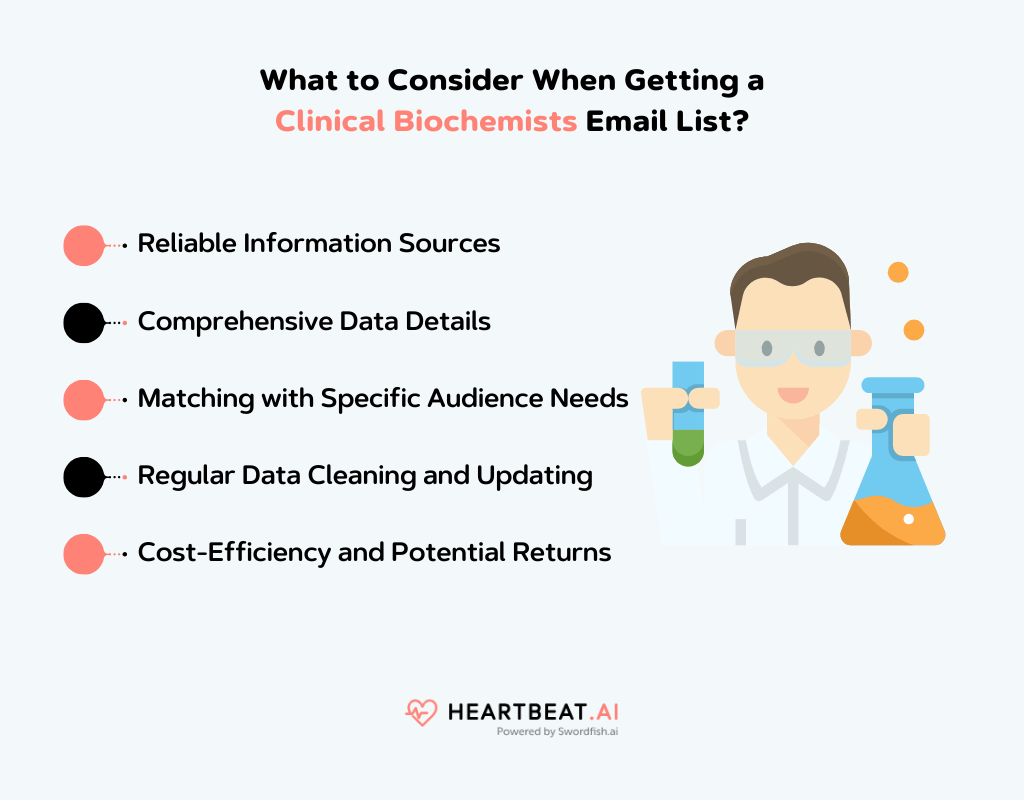
Ask where the data comes from. Professional directories, licensing records, and conference attendee data are more defensible sources than unverified scraping.
Depth of Fields
A list limited to name and email offers little targeting value. Specialization, experience, and licensing fields let you narrow a campaign to the right subset instead of blasting everyone.
Fit for Your Audience
A national list is wasted spend if your program only serves a handful of states. Match list scope to campaign scope before purchase.
Refresh Frequency
Ask how often the provider refreshes records. Static lists degrade quickly as professionals change jobs or contact details.
Cost Versus Expected Return
Weigh list cost against the realistic response rate for your use case. A cheaper, broader list isn’t a bargain if most of it bounces.
Who Typically Uses This Kind of List
Demand for clinical biochemist contact data tends to come from a fairly consistent set of use cases.
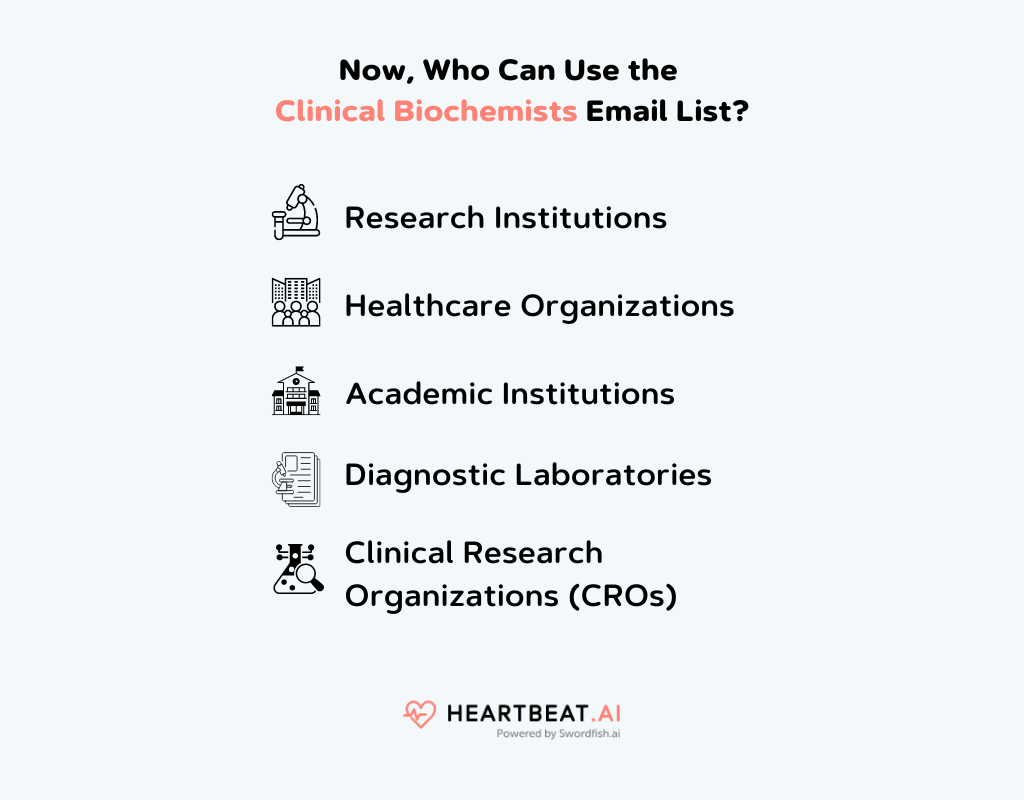
Research Institutions
Used to invite collaboration on studies or share findings relevant to biochemical diagnostics.
Healthcare Organizations
Hospitals and health systems may reach out for consults on complex lab results or new testing protocols.
Academic Institutions
Universities sometimes recruit clinical biochemists as guest lecturers or research collaborators.
Diagnostic Laboratories
Labs use these lists to stay current on testing methods and discuss shared standards with peers in the field.
Clinical Research Organizations
CROs recruit clinical biochemists for trial support and consultation on lab-related aspects of drug development.
Getting Better Response Rates
A verified list only gets you to the inbox. What happens next depends on the message.
Know Who You’re Emailing
Clinical biochemists respond to content that’s directly relevant to their specialization, not generic marketing copy repurposed from another vertical.
Set One Clear Goal Per Email
Decide whether the email is meant to inform, invite, or recruit before you write it. Mixed-purpose emails tend to get skimmed and ignored.
Lead With Something Useful
Reference relevant research, a specific case type, or industry news rather than opening with a sales pitch.
Personalize Beyond the First Name
Mentioning a recipient’s specific specialization or recent work signals that the email wasn’t sent to a thousand people at once.
Think Past the Single Send
Invitations to webinars or conferences build a relationship over time, which tends to outperform one-off cold emails for a specialty this small.
Limitations to Keep in Mind
No purchased list is perfect. Contact details for clinicians change frequently as people switch employers or roles, so even a well-maintained database will include some outdated records. Compliance obligations for email and phone outreach can also vary depending on your industry, audience, and jurisdiction, so it’s worth confirming your own program’s requirements rather than assuming a provider’s compliance claims cover every use case.
Conclusion
A well-maintained clinical biochemists list is a practical tool for outreach, not a shortcut around good messaging. It gets you to the right inbox; what you say once you’re there still determines whether anyone responds.
Heartbeat AI provides access to this kind of segmented healthcare contact data for teams that need to reach clinical biochemists directly. Heartbeat AI is worth evaluating if your outreach depends on accurate, current healthcare provider contacts.
FAQs
How accurate is a clinical biochemists email list?
Accuracy varies by provider. Reputable data providers publish and maintain accuracy figures, but it’s still worth testing a sample segment before running a full campaign.
What mistakes should I avoid when emailing clinical biochemists?
Avoid generic, irrelevant content, skipping personalization, and ignoring applicable privacy and anti-spam requirements for your outreach type.
Can I buy a clinical biochemists list for one-time use?
Some providers allow one-time use, but confirm the specific terms and conditions before purchase since usage rights differ by vendor.