Last updated: August 31, 2026
Finding accurate, current contact information for audiologists in New York is one of those tasks that sounds simple until you’re actually doing it. Whether you’re recruiting for an open position, marketing hearing-related products, or trying to build a referral network, outdated phone numbers and bounced emails waste time and money. This guide looks at what makes New York’s audiology landscape distinct, why contact accuracy matters, and how a verified provider database like Heartbeat.ai fits into the workflow.
What’s on this page:
Get an Email List of Audiologists in New York from Heartbeat
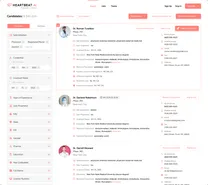
Heartbeat.ai’s database covers licensed healthcare professionals across the United States, including audiologists in New York. You can filter by specialty, location, and other criteria to build a targeted contact list rather than working from static directories or cold-calling front desks.
The audiology field itself is fairly specialized, and the people practicing in it aren’t interchangeable. Some common sub-areas include:
- Clinical audiologists working directly with patients in hospitals or clinics
- Pediatric audiologists focused on diagnosing and treating hearing issues in children
- Educational audiologists supporting auditory learning in school settings
- Dispensing audiologists who fit and manage hearing devices
- Industrial audiologists focused on workplace hearing conservation
- Research audiologists working on new diagnostic or treatment approaches
- Tele-audiologists delivering remote hearing care
- Rehabilitative audiologists helping patients manage hearing loss day to day
- Cochlear implant specialists working with implant technology and post-surgical care
If your outreach depends on reaching the right kind of specialist, filtering by these categories saves a lot of guesswork.
Audiology Licensing in New York: What the Credential Actually Means
A New York licensed audiologist has completed at least a master’s degree in audiology, including studies in hearing science and a supervised practice of at least 300 hours. Licensed audiologists in the state have also completed nine months of supervised experience and passed a state-approved licensing exam. Many practicing audiologists now hold a clinical doctorate (Au.D.), which has become the common entry-level degree in the profession nationally, though New York’s baseline requirement is a master’s degree.
Licensed audiologists are required by law to complete 30 hours of continuing competency learning activities every three years. Any use of the title “Audiologist” within New York State requires licensure, except in certain exempt settings. That licensing structure is worth knowing if you’re vetting candidates for a role or verifying that a contact you’ve sourced is actually credentialed to practice.
Where Audiologists Practice in New York
New York’s healthcare system includes a mix of large academic medical centers, community hospitals, private practices, and school-based programs, all of which employ or contract with audiologists. Well-known systems such as New York-Presbyterian, Mount Sinai, and NYU Langone maintain audiology services as part of their broader ENT and hearing health offerings. Beyond hospital systems, a large share of audiologists work in independent practices, hearing aid dispensing offices, and outpatient rehabilitation settings, which is part of why building a comprehensive contact list by hand is so time-consuming.
Why Contact Accuracy Actually Matters Here
Accurate contact details serve three distinct groups differently:
- Patients and families trying to reach a specialist for an appointment or consultation without unnecessary delay.
- Recruiters and HR teams trying to fill open audiology roles before a strong candidate accepts an offer elsewhere.
- Industry professionals looking to refer patients, collaborate on cases, or build partnerships with other specialists.
In each case, a wrong number or dead email doesn’t just cause friction — it can mean a lost hire, a missed referral, or a frustrated patient who gives up on getting care.
Why Finding an Audiologist in New York Can Be Harder Than It Sounds
New York’s dense population and spread-out metro areas mean there are a lot of practicing audiologists, but also a lot of noise to sort through. Traffic and geography complicate in-person visits to smaller practices, and public directories often list outdated addresses or phone numbers that no longer connect to anyone.
A few practical ways people work around this:
- Cross-reference hospital system directories with state licensing lookups to confirm a provider is still active.
- Use filtered databases that let you narrow by specialization, insurance compatibility, or languages spoken, rather than scrolling through unfiltered lists.
- Consider telehealth-capable audiologists if geography is the main barrier — remote consultations have expanded access for some types of hearing care, though not all services can be delivered virtually.
- Verify license status directly with the New York State Education Department’s Office of the Professions before relying on a contact for anything formal, like a job offer or referral.
What’s in a Heartbeat Audiologist Contact Record
Heartbeat.ai’s provider database includes verified contact details for audiologists and other healthcare professionals nationwide, not just in New York. A typical record includes:
- Audiologist Name
- Location
- Contact Numbers (Work, Cell, Mobile)
- Email Address
- Specialization
- Years of Experience
- Sole Proprietor Status
- Licensed States
- License Number
- Fax
- Address
 Accuracy & coverage of personal contact info were unrivaled by other platforms… this gives any healthcare recruiter a competitive advantage when engaging hard-to-reach healthcare providers.
Senior Growth Strategist





Audiologists by State
Looking for audiologist contact data in another state? Browse the full list below.
| Audiologist by states |
|---|
| Audiologist in Alabama |
| Audiologist in Alaska |
| Audiologist in Arizona |
| Audiologist in Arkansas |
| Audiologist in California |
| Audiologist in Colorado |
| Audiologist in Connecticut |
| Audiologist in Delaware |
| Audiologist in Florida |
| Audiologist in Georgia |
| Audiologist in Hawaii |
| Audiologist in Idaho |
| Audiologist in Illinois |
| Audiologist in Indiana |
| Audiologist in Iowa |
| Audiologist in Kansas |
| Audiologist in Kentucky |
| Audiologist in Louisiana |
| Audiologist in Maine |
| Audiologist in Maryland |
| Audiologist in Massachusetts |
| Audiologist in Michigan |
| Audiologist in Minnesota |
| Audiologist in Mississippi |
| Audiologist in Missouri |
| Audiologist in Montana |
| Audiologist in Nebraska |
| Audiologist in Nevada |
| Audiologist in New hampshire |
| Audiologist in New jersey |
| Audiologist in New mexico |
| Audiologist in New york |
| Audiologist in North carolina |
| Audiologist in North dakota |
| Audiologist in Ohio |
| Audiologist in Oklahoma |
| Audiologist in Oregon |
| Audiologist in Pennsylvania |
| Audiologist in Rhode island |
| Audiologist in South carolina |
| Audiologist in South dakota |
| Audiologist in Tennessee |
| Audiologist in Texas |
| Audiologist in Utah |
| Audiologist in Vermont |
| Audiologist in Virginia |
| Audiologist in Washington |
| Audiologist in West virginia |
| Audiologist in Wisconsin |
| Audiologist in Wyoming |
How the Data Is Compiled
Heartbeat.ai builds its healthcare provider database from a wide range of public, private, and official sources, then applies verification and modeling processes to keep contact details current. The goal is to reduce the manual work of chasing down a provider’s direct line or personal email one search at a time, which matters most when you’re trying to fill a role or launch a campaign on a deadline.
Who Actually Uses an Audiologist Contact List
The most common users are recruiters filling clinical roles, sales and marketing teams promoting hearing-related products or services, market researchers studying the audiology field, and professionals building referral networks. Regardless of the use case, any outreach built on this kind of data needs to respect applicable privacy and communications laws — a verified contact list is a starting point for compliant outreach, not a substitute for following the rules governing unsolicited communication.
Getting More Out of an Audiologist Contact List
A few things tend to separate effective outreach from wasted effort:
- Keep messages concise and specific to the recipient’s specialty — a pediatric audiologist and an industrial audiologist have very different priorities.
- Confirm license status before treating a contact as authoritative, especially for recruitment or referral purposes.
- Personalize based on setting (hospital system vs. private practice vs. school-based program) rather than sending one generic message to everyone on a list.
- Always include a clear way for the recipient to reach you back, and follow up once rather than repeatedly.
Conclusion
Locating and verifying audiologist contact information in New York takes more effort than it should, given how spread out the state’s healthcare system is. A filtered, regularly updated database like Heartbeat.ai’s can cut down the manual research involved in recruitment, marketing, or professional networking, but it works best paired with direct license verification when the stakes are higher, like hiring or formal referrals.
Frequently Asked Questions
What qualifications does an audiologist in New York need?
New York requires at least a master’s degree in audiology along with supervised clinical experience and a passing score on a state-approved licensing exam. Many practicing audiologists now hold a clinical doctorate (Au.D.), which has become common in the field nationally.
What services do audiologists in New York provide?
Audiologists in New York provide services such as hearing evaluations, hearing aid fittings, cochlear implant evaluations and follow-up care, tinnitus assessments, and auditory processing evaluations.
How can I find an audiologist in New York?
Options include searching state licensing lookups, hospital system directories, referrals from a primary care physician, or a filtered healthcare provider database.
Are audiologist services covered by insurance in New York?
Coverage varies by plan. It’s best to confirm specific benefits and any prior authorization requirements directly with your insurance provider before scheduling care.