Last updated: August 29, 2026
Ambulatory surgery centers are one of the more fragmented segments in healthcare outreach. There are thousands of ASCs licensed across the country, ranging from single-specialty orthopedic centers to multi-specialty facilities affiliated with hospital systems. That fragmentation is exactly why building or buying an accurate ASC email list is harder than it looks: facility names change, physicians move between centers, and many smaller ASCs don’t maintain a strong web presence.
This guide covers what a usable ASC contact list actually needs to include, how that data typically gets compiled, and what to check before you commit budget to a vendor.
What’s on this page:
What a Good ASC Email List Should Include
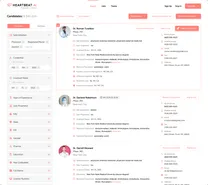
A working ambulatory surgery center list isn’t just a spreadsheet of email addresses. At minimum, it should let you identify who you’re contacting and why they’re relevant to your outreach. Useful fields typically include:
- Facility name and location
- Direct contact numbers (work, cell, mobile)
- Email address
- Specialization or service line
- Years in practice
- Licensed states and license number
- Fax and mailing address
The more granular the segmentation — by specialty, state, or facility size — the easier it is to write outreach that doesn’t read as generic.
 Accuracy & coverage of personal contact info were unrivaled by other platforms… this gives any healthcare recruiter a competitive advantage when engaging hard-to-reach healthcare providers.
Senior Growth Strategist






Why an Accurate ASC List Actually Matters
The value of a clean list shows up less in any single email and more in the pattern over time. A few concrete effects worth weighing:
Targeting improves response, not just volume
Sending to the right ASC administrators or clinical decision-makers, rather than a generic hospital directory, tends to produce more relevant replies simply because the message matches the recipient’s actual role.
Time saved compounds
Manually researching individual ASC contacts — checking state licensing boards, calling front desks, scraping directories — is slow. A pre-built, segmented list shifts that time toward message quality instead.
Bad data has a real cost
Outdated contacts don’t just fail silently. High bounce rates can affect sender reputation and email deliverability more broadly, which is a reason to treat list freshness as an ongoing requirement, not a one-time purchase.
Compliance isn’t optional
Any list used for commercial outreach needs to be collected and used in ways consistent with applicable privacy and anti-spam rules. This is a legal and reputational issue, not just a marketing preference.
ASC Categories Commonly Represented in Contact Lists
ASC data providers typically segment centers by clinical specialty, since a single ASC list without segmentation is of limited practical use for targeted outreach.
| Ambulatory Surgery Centers Categories |
| Orthopedic Surgery Centers |
| Ophthalmology Surgery Centers |
| Gastrointestinal Surgery Centers |
| Plastic and Cosmetic Surgery Centers |
| Ear, Nose, and Throat (ENT) Surgery Centers |
| General Surgery Centers |
| Urology Surgery Centers |
| Dental Surgery Centers |
| Pain Management Centers |
| Cardiology Surgery Centers |
Browse ASCs by State
State-level directories are useful for territory-based sales teams or regional compliance work.
How This Kind of Data Gets Compiled
Building an accurate ASC contact database generally draws on several overlapping methods rather than one single source. Understanding this helps set expectations for accuracy and freshness:
Healthcare Database Mining
Providers filter through healthcare partner databases, using facility codes, service line data, and other indicators to isolate ASCs from the broader outpatient market.
Web and Directory Research
Facility websites, medical directories, and professional association listings are cross-referenced to fill in and verify contact details.
Public Records and Licensure Databases
State and federal licensure records, along with CMS facility listings, provide a baseline of which centers are actively operating.
Pattern Matching and Modeling
Machine learning models help flag likely ASC characteristics and catch inconsistencies across data sources, improving match accuracy over time.
Compliance Review
Any credible provider should run compliance checks consistent with healthcare data regulations, including HIPAA where applicable, alongside verification of accuracy before a list is finalized.
What Heartbeat.ai’s ASC Data Offers
Broad Coverage
Heartbeat.ai maintains a database spanning American healthcare providers, including direct cell phone and personal email information alongside facility-level ASC data.
Verified Contact Accuracy
Contact data is modeled and verified for accuracy, which matters because outreach built on stale or guessed contact information wastes both budget and sender reputation.
Prospecting Tools
Tools like the Heartbeat Prospector and a Chrome Extension let you search by specialty or procedure type directly, cutting down manual research time.
Flexible Plans
Pricing plans scale from individual recruiters to agencies and larger teams, with features like bulk export and integration support built in.
Checklist: What to Verify Before You Buy an ASC List
- Freshness: Ask how often the list is refreshed and how closures, staff changes, and new facility openings get reflected.
- Compliance: Confirm the data was collected through legal, ethical means and that use complies with applicable privacy and anti-spam rules.
- Segmentation: Check whether you can filter by specialty, state, or facility size rather than getting one undifferentiated list.
- Consent basis: Understand how contacts were sourced — business contact data used for B2B outreach carries different obligations than consumer marketing lists.
- Cost versus fit: A cheaper, broader list is not automatically better value than a smaller, well-segmented one if response rates differ significantly.
Who Typically Uses This Data
- Educational institutions building clinical partnerships or training relationships with ASCs.
- Medical equipment and supply companies marketing devices and surgical supplies to facility purchasers.
- Pharmaceutical companies reaching clinical decision-makers about relevant products.
- Healthcare IT and software vendors selling EHR, practice management, or telehealth tools.
- Consultants and researchers conducting industry surveys or market analysis.
Getting More From an ASC Contact List
A list is only as useful as the outreach built around it. A few practical habits tend to separate effective campaigns from ones that get ignored:
- Write to the specific problem an ASC segment deals with, rather than a generic pitch.
- Segment contacts by specialty, size, or region so messaging stays relevant.
- Lead with something useful — a report, a relevant case example, an industry note — rather than a straight sales ask.
- Personalize beyond a mail-merge name field where possible.
- Track opens, clicks, and replies, and adjust messaging based on what’s actually working.
Limitations Worth Knowing
No third-party list is perfect. Contact turnover in healthcare is constant, small ASCs may be underrepresented in public licensure data, and even well-verified emails and phone numbers can go stale within months. Treat any purchased list as a starting point that needs ongoing hygiene, not a one-time solution.
Reliable ASC contact data supports more targeted outreach and fewer wasted messages, but it works best paired with a clear segmentation strategy and regular list maintenance.
Heartbeat AI provides ASC contact data alongside broader healthcare provider coverage for teams building outreach campaigns in this space.
Frequently Asked Questions
What information does an ASC email list typically include?
Contact names, phone numbers, facility names, addresses, and sometimes role or specialty details within the center.
What does an ASC email list typically cost?
Pricing varies by list size and customization; it’s best to request a quote directly from the provider based on your targeting needs.
Can this kind of list support industry research?
Yes — segmented ASC data can help identify trends and key players in a state or specialty, though it works best combined with other market research rather than as a sole source.