


A recruiter’s decision guide for choosing phone vs email first with physicians—based on urgency, access friction, and data confidence—plus a routing table, checklist, templates, call windows, and a 7-day mini-plan.
A recruiter’s decision guide for choosing phone vs email first with physicians—based on urgency, access friction, and data confidence—plus a routing table, checklist, templates, call windows, and a 7-day mini-plan.

Number reassignment causes wrong-person calls and texts. Use recruiter stop rules, durable suppression logging, and refresh triggers to prevent repeat mistakes and keep outreach compliant.

A recruiter-focused method to tell whether a number is mobile, VoIP, or landline—then route call/SMS/email accordingly, accounting for number porting, consent, and opt-out.
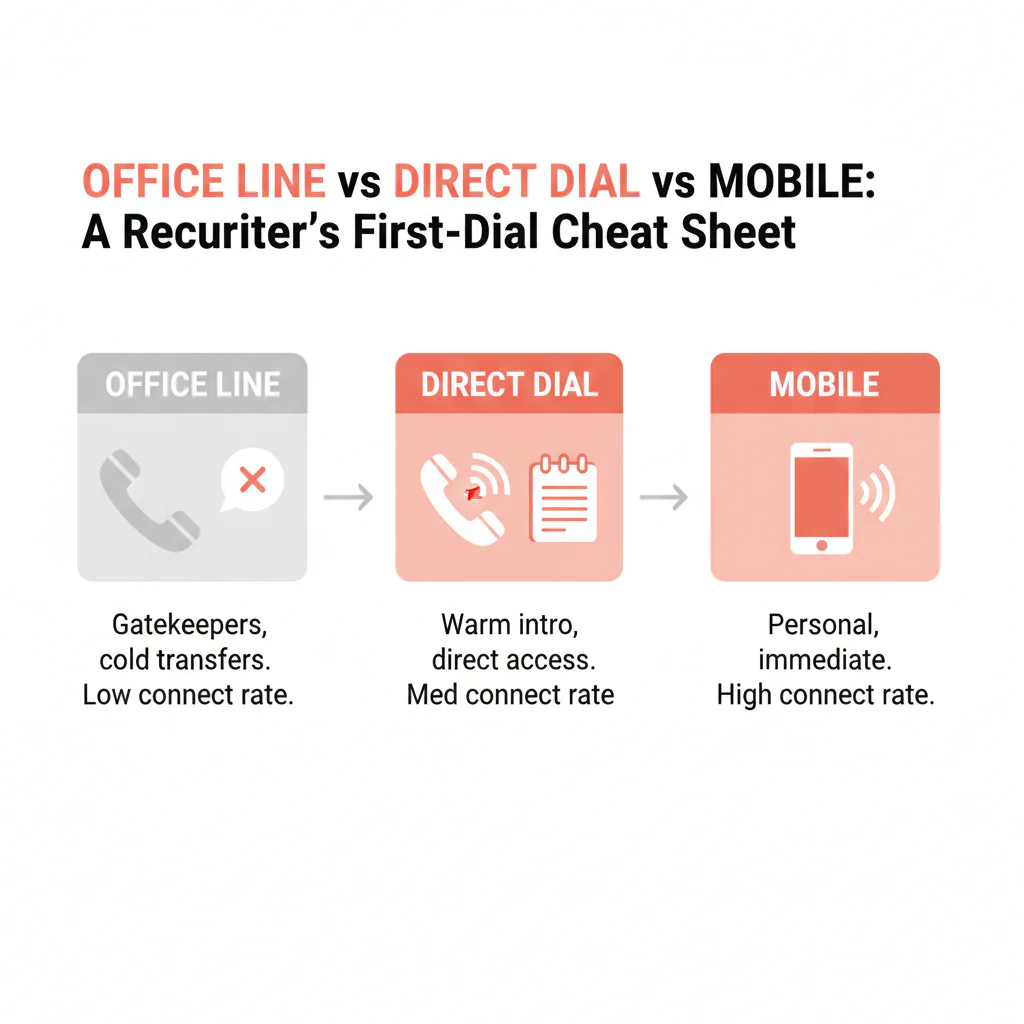
A recruiter’s cheat sheet for choosing the right first dial: office line vs direct dial vs mobile, how routing changes outcomes, and how to measure results by line type.

A recruiter-focused guide to vetting a physician direct dial database: direct dial definition, suppression explained, sample export fields, procurement questions, a vendor scorecard, and a controlled call-block test.
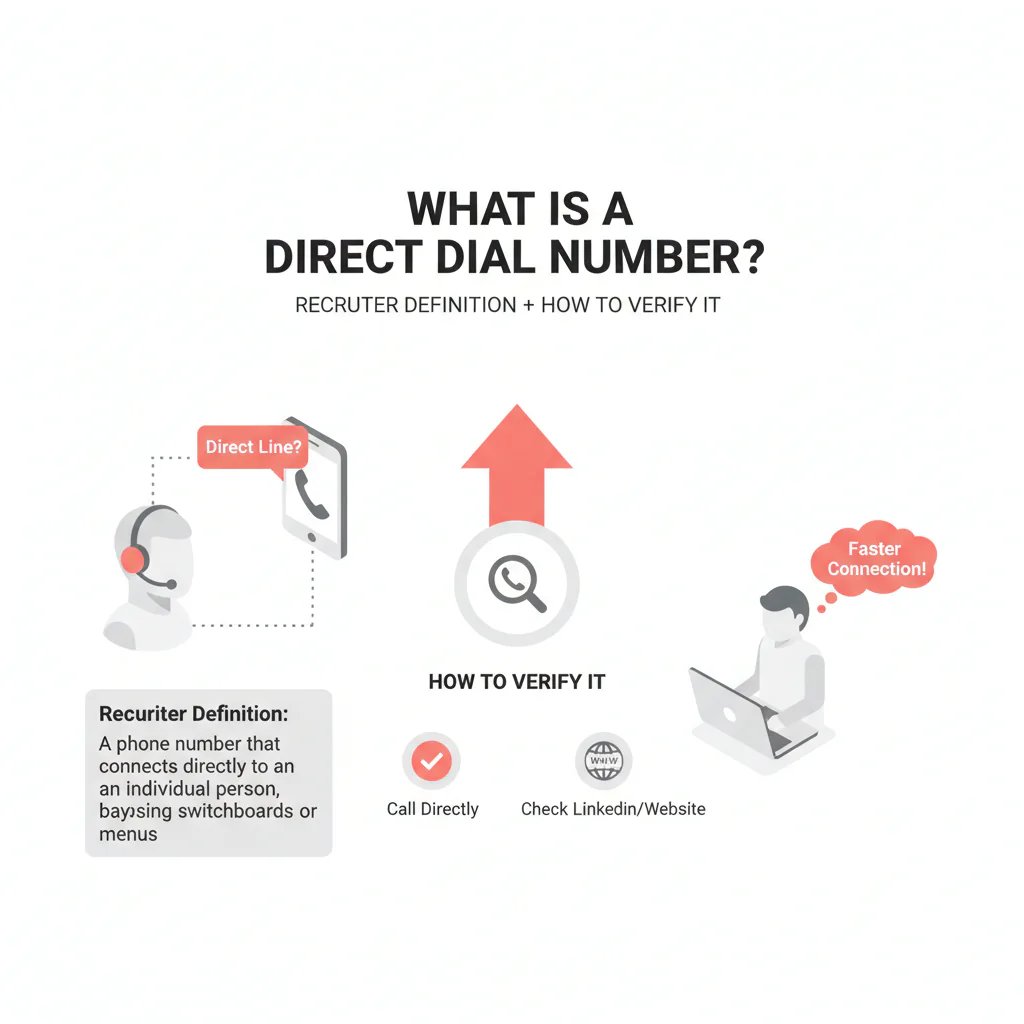
A direct dial number routes to a specific person or desk without a switchboard or extension. Learn how recruiters verify routing, classify line type, track recency, and route first touch.

Line-tested means a number showed reachability at a point in time. It helps prioritize dials, but it doesn’t confirm identity and reassignment risk remains.
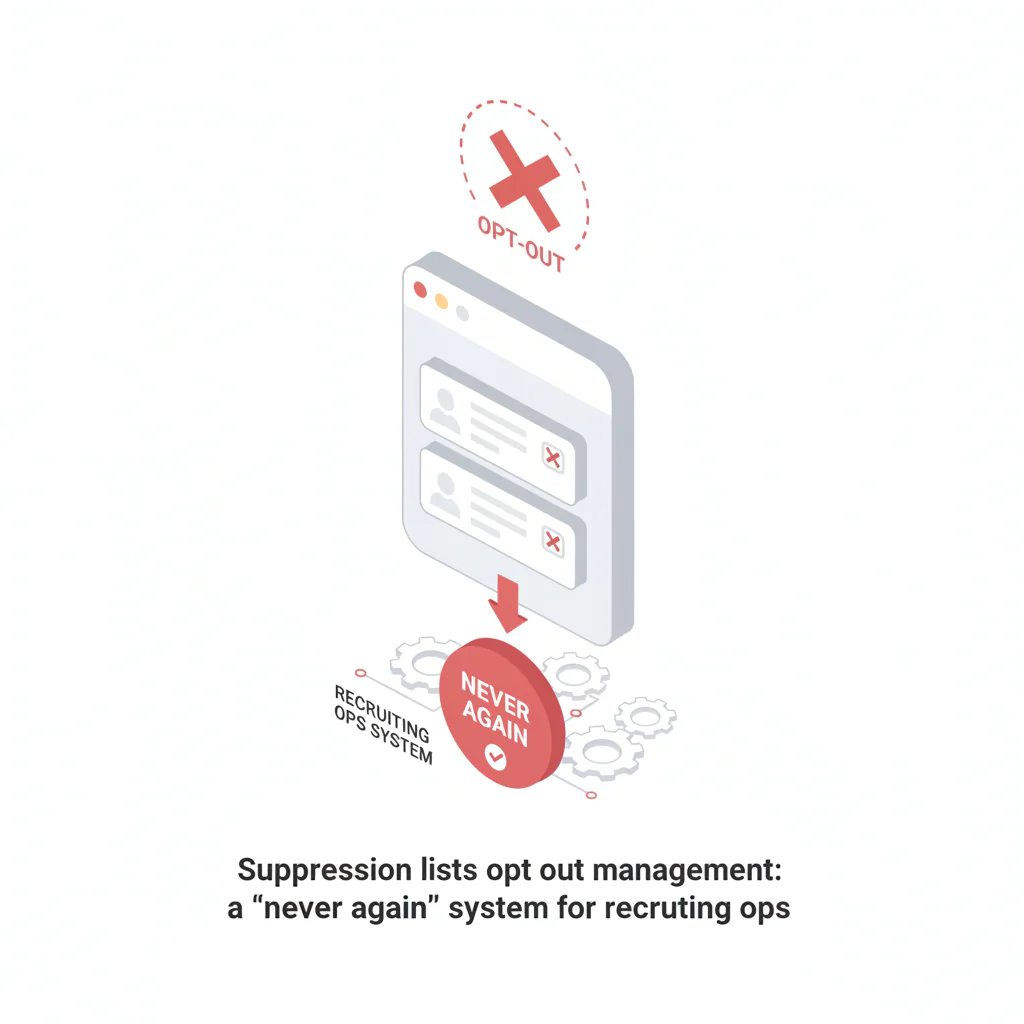
A recruiting ops playbook for suppression lists opt out management: what fields to store, how to sync across ATS/CRM and outreach tools, and how to prevent suppressed contacts from being re-imported.

Connect rate tells you whether your dials reach a live line; answer rate tells you whether a human picks up. Use a two-week baseline vs improved plan to diagnose and fix the right lever.

A methodology-first 2026 study framework for estimating off-platform clinician reach using NPI (NPPES) denominators, a reproducible matching rubric with confidence thresholds, documented error modes, an auditable results format, and verification-first workflow guidance as of {DATE}.