Last updated: August 30, 2026
Finding accurate, current contact information for certified nurse-midwives and other midwifery professionals in Connecticut is harder than it should be. Licenses lapse, nurses change employers, and public directories rarely keep phone numbers or personal emails up to date. For recruiters, medical suppliers, and healthcare marketers, that gap slows down hiring and outreach.
This guide covers what midwife nurses do in Connecticut’s healthcare system, why accurate contact data matters, the practical obstacles to finding it, and how a specialized provider database like Heartbeat.ai can fill that gap.
What’s on this page:
Get a Midwife Nurse Email List for Connecticut from Heartbeat
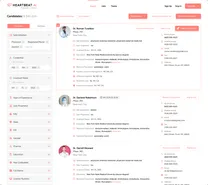
Heartbeat.ai’s contact database covers licensed healthcare professionals across the United States, including midwifery specialists. You can filter by state, specialty, and other criteria to build a targeted list rather than working through generic directories one profile at a time.
The database includes several categories within midwifery, such as Certified Nurse Midwives, Direct-Entry Midwives, Certified Midwives, and Certified Professional Midwives. Because these roles differ in scope of practice, licensing, and clinical setting, being able to filter by specialty type matters if you’re recruiting for a specific role or marketing a specific product.
To access a list, go to Heartbeat.ai, navigate to the midwife nurse contact list section, and follow the account setup steps. Support is available if you have questions about filtering or list size before you commit.
Midwifery in Connecticut’s Healthcare System
Certified nurse-midwives work alongside obstetric teams at hospitals and health systems across Connecticut, including major systems such as Yale New Haven Health, Saint Francis Hospital, and Hartford Hospital. Their scope typically includes prenatal visits, labor and delivery support, postpartum follow-up, and routine gynecological care.
Midwives generally manage low-risk pregnancies and births, which allows obstetricians to focus their time on higher-risk or complex cases. That division of labor is part of why maternity units rely on a mix of both roles rather than staffing exclusively with physicians.
Why Accurate Contact Data Matters
Outdated contact information causes real friction in three distinct situations:
- Patient-facing needs: families trying to reach a midwife for prenatal or postpartum questions need a working number or email, not a disconnected line.
- Recruitment: hospitals and staffing agencies filling midwifery vacancies lose time chasing bounced emails or reaching a nurse who changed employers months ago.
- Professional networking: collaboration on training, research, or care protocols depends on being able to actually reach the right person.
None of this is unique to Connecticut, but a smaller state means a smaller pool of midwives, so each incorrect contact represents a larger share of your addressable list.
Why Midwife Nurses Are Hard to Find and Reach
A few structural factors make sourcing accurate midwife contact data harder than it looks:
- Licensing and education requirements limit the overall supply of certified nurse-midwives, so directories skew toward larger health systems and miss independent or rural practitioners.
- Employer turnover means a nurse listed at one hospital’s staff directory may have already moved on.
- Fragmented public sources — state licensing boards, hospital directories, professional associations — rarely sync with each other, so no single free source stays current.
- Scope-of-practice variation by state affects how midwives are categorized in databases, which can cause mismatches when searching by title alone.
Technology helps close some of these gaps. Aggregated provider databases that pull from multiple licensing and public records sources can catch changes that a single hospital directory misses. Telehealth and remote credentialing have also expanded where midwives can practice, which is worth accounting for if your outreach list needs to reflect providers serving multiple regions.
What’s Included in Heartbeat’s Midwife Nurse Contact Data
Heartbeat.ai’s database is built to support outreach at scale, not just single lookups. Typical fields include:
- Midwife nurse name
- Location
- Contact numbers (work, cell, mobile)
- Email address
- Specialization
- Years of experience
- Sole proprietor status
- Licensed states
- License number
- Fax
- Address
Midwife Nurses by State
Browse contact lists for midwife nurses in other states below.
| Midwife nurses by states |
|---|
| Midwife nurses in Alabama |
| Midwife nurses in Alaska |
| Midwife nurses in Arizona |
| Midwife nurses in Arkansas |
| Midwife nurses in California |
| Midwife nurses in Colorado |
| Midwife nurses in Connecticut |
| Midwife nurses in Delaware |
| Midwife nurses in Florida |
| Midwife nurses in Georgia |
| Midwife nurses in Hawaii |
| Midwife nurses in Idaho |
| Midwife nurses in Illinois |
| Midwife nurses in Indiana |
| Midwife nurses in Iowa |
| Midwife nurses in Kansas |
| Midwife nurses in Kentucky |
| Midwife nurses in Louisiana |
| Midwife nurses in Maine |
| Midwife nurses in Maryland |
| Midwife nurses in Massachusetts |
| Midwife nurses in Michigan |
| Midwife nurses in Minnesota |
| Midwife nurses in Mississippi |
| Midwife nurses in Missouri |
| Midwife nurses in Montana |
| Midwife nurses in Nebraska |
| Midwife nurses in Nevada |
| Midwife nurses in New hampshire |
| Midwife nurses in New jersey |
| Midwife nurses in New mexico |
| Midwife nurses in New york |
| Midwife nurses in North carolina |
| Midwife nurses in North dakota |
| Midwife nurses in Ohio |
| Midwife nurses in Oklahoma |
| Midwife nurses in Oregon |
| Midwife nurses in Pennsylvania |
| Midwife nurses in Rhode island |
| Midwife nurses in South carolina |
| Midwife nurses in South dakota |
| Midwife nurses in Tennessee |
| Midwife nurses in Texas |
| Midwife nurses in Utah |
| Midwife nurses in Vermont |
| Midwife nurses in Virginia |
| Midwife nurses in Washington |
| Midwife nurses in West virginia |
| Midwife nurses in Wisconsin |
| Midwife nurses in Wyoming |
How Heartbeat Compiles Midwife Nurse Contact Data
Heartbeat.ai aggregates provider records from official, private, and public sources and applies predictive modeling to fill in likely current contact details when direct confirmation isn’t available. This approach is meant to reduce the manual work of cross-checking multiple directories, though as with any predictive contact data, some entries will need verification before use in sensitive outreach.
Who Uses Midwife Nurse Contact Lists
Several groups rely on this type of data for different reasons:
- Recruiters and staffing agencies filling open midwifery positions
- Healthcare marketers promoting maternity-related products or services
- Medical suppliers and device companies targeting clinical decision-makers
- Researchers and professional associations coordinating training or continuing education
- Non-profits or advocacy groups focused on maternal health
Using a Midwife Nurse Email List Effectively
A few practical guidelines improve response rates and keep outreach compliant:
- Segment by specialty (e.g., CNM vs. Certified Professional Midwife) so messaging matches the recipient’s actual scope of practice.
- Lead with a clear, specific reason for contact rather than a generic pitch.
- Respect opt-out requests immediately and keep suppression lists current.
- Follow applicable privacy and communication regulations for healthcare-related outreach.
- Refresh purchased or licensed lists periodically rather than treating them as permanent.
Limitations to Keep in Mind
No contact database is perfect. Predictive modeling can produce a working phone number or email for a nurse who has since changed roles, and even official licensing records lag behind real-world job changes. Treat any purchased list as a strong starting point rather than a guaranteed-accurate directory, and build a light verification step into your workflow before high-stakes outreach.
Conclusion
Connecticut’s midwifery workforce plays a meaningful role in maternal and newborn care across the state’s hospital systems. Reaching these professionals efficiently — whether for recruitment, marketing, or research collaboration — depends on having contact data that’s actually current. A specialized provider database narrows that gap, though it still pays to verify before sending anything time-sensitive.
Frequently Asked Questions
What are the duties of midwife nurses in Connecticut?
Midwife nurses in Connecticut typically provide prenatal care, assist with labor and delivery, conduct postpartum follow-up, and educate patients on newborn care.
How can I become a midwife nurse in Connecticut?
Generally, this path requires a nursing degree, an active RN license, completion of an accredited graduate-level midwifery program, and passing the applicable national certification exam. Requirements can change, so check current state board guidance before planning a course of study.
Are midwife nurses in Connecticut able to prescribe medication?
Certified nurse-midwives in many states, including Connecticut, have prescriptive authority within their scope of practice, though specifics can vary. Confirm current scope-of-practice rules with the Connecticut Board of Nursing before relying on this for any professional decision.