What’s on this page:
Key takeaways
- Endocrinology nurses in Washington work with patients who have diabetes, thyroid disease, and other endocrine conditions.
- Relevant roles described here include diabetes care and education specialists, endocrinology nurse practitioners, pediatric endocrinology nurses, and reproductive endocrinology nurses.
- The article does not provide an exact statewide count of endocrinology nurses.
- Contact records can become outdated as people change jobs, phone numbers are reassigned, and email addresses lapse.
- The article recommends verifying contact details before a large outreach effort and respecting opt-out requests.
Last updated: August 31, 2026
Endocrinology nurses in Washington State care for and educate patients managing diabetes, thyroid disease, and other hormonal conditions, often working alongside endocrinologists in hospitals and specialty clinics. Recruiters, medical sales teams, and research organizations may need current contact details to reach this specialized workforce.
This page describes endocrinology nursing roles in Washington, explains why contact data can be difficult to keep accurate, and outlines how a contact list may support professional outreach.
Get an Email List of Endocrinology Nurses in Washington from Heartbeat
Heartbeat.ai says its contact database covers licensed healthcare professionals across the United States, including endocrinology nursing roles. Users can filter by specialty, location, and other criteria to narrow a list before outreach.
The endocrinology nursing pool includes several distinct roles: Certified Diabetes Care and Education Specialists (CDCES), endocrinology nurse practitioners, pediatric endocrinology nurses, and nurses working in reproductive endocrinology. A certified diabetes care and education specialist is a healthcare provider with specialized knowledge to help patients manage diabetes, and the credential can be held by registered nurses among other healthcare providers. Each of these roles works with a different patient population and a different set of referral relationships, which matters when you’re deciding who to target for a given campaign.
If you’re building a list for research outreach, recruiting, or product promotion, the goal is the same: get names and contact details that are actually current, rather than pulled from a directory that hasn’t been checked in years.
Healthcare Landscape in Washington State
Washington’s healthcare system includes major academic and regional medical centers that provide endocrine care, including the University of Washington Medical Center, Harborview Medical Center, and Swedish Medical Center. The article describes endocrinology nursing roles across inpatient, outpatient, and specialty clinic settings, serving patients with diabetes, thyroid disorders, and other endocrine conditions.
The article notes that no single public source provides an exact statewide count of endocrinology nurses, so specific figures should be treated cautiously. It also describes growing national demand for diabetes and metabolic disorder management and an associated expansion of specialty nursing and diabetes education staff.
Why Accurate Contact Information Matters
Outdated contact records cause real friction in three areas:
- Recruitment: a wrong email or disconnected number means a delayed hire, which can leave a unit short-staffed longer than necessary.
- Professional networking: researchers, vendors, and educators trying to reach specialists for collaboration lose time chasing old contact details.
- Patient-adjacent coordination: when practices or referral partners rely on directory listings to route questions or coordinate care logistics, stale contact information slows down administrative workflows.
None of this replaces clinical judgment or direct patient communication — it’s about the administrative and business side of reaching the right professional efficiently.
Why Finding Endocrinology Nurses Is Difficult
Recruiting and reaching endocrinology nurses in Washington runs into a few recurring obstacles:
- Endocrinology nursing is a narrow specialty, so the total pool of qualified candidates in any one state is small compared to general nursing.
- Public directories and licensing boards list credentials and license status but rarely include working phone numbers or personal emails.
- Some professionals hold certifications like the Certified Diabetes Care and Education Specialist certification, which can add nuance to filtering candidates by expertise but isn’t always reflected in general job boards.
- Regional shortages mean recruiters sometimes need to look at out-of-state candidates open to relocation, which adds another layer of contact-verification work.
A database that combines licensing information with contact details may help narrow a search, especially when it allows filtering by specialty and years of experience. Because records can be outdated, verify a sample of contacts before a large outreach effort.
What You Get in a Heartbeat Endocrinology Nurses Contact List
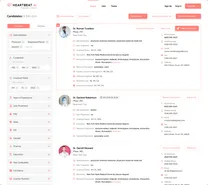
Heartbeat says its database can be filtered by state, specialty, and other criteria. Depending on availability, a contact record may include:
- Endocrinology nurse name
- Location
- Contact numbers (work, cell, mobile)
- Email address
- Specialization
- Years of experience
- Sole proprietor status
- Licensed states
- License number
- Fax
- Address
Endocrinology Nurses by State
Browse endocrinology nurse contact lists for other states below.
| Endocrinology nurses by states |
|---|
| Endocrinology nurses in Alabama |
| Endocrinology nurses in Alaska |
| Endocrinology nurses in Arizona |
| Endocrinology nurses in Arkansas |
| Endocrinology nurses in California |
| Endocrinology nurses in Colorado |
| Endocrinology nurses in Connecticut |
| Endocrinology nurses in Delaware |
| Endocrinology nurses in Florida |
| Endocrinology nurses in Georgia |
| Endocrinology nurses in Hawaii |
| Endocrinology nurses in Idaho |
| Endocrinology nurses in Illinois |
| Endocrinology nurses in Indiana |
| Endocrinology nurses in Iowa |
| Endocrinology nurses in Kansas |
| Endocrinology nurses in Kentucky |
| Endocrinology nurses in Louisiana |
| Endocrinology nurses in Maine |
| Endocrinology nurses in Maryland |
| Endocrinology nurses in Massachusetts |
| Endocrinology nurses in Michigan |
| Endocrinology nurses in Minnesota |
| Endocrinology nurses in Mississippi |
| Endocrinology nurses in Missouri |
| Endocrinology nurses in Montana |
| Endocrinology nurses in Nebraska |
| Endocrinology nurses in Nevada |
| Endocrinology nurses in New hampshire |
| Endocrinology nurses in New jersey |
| Endocrinology nurses in New mexico |
| Endocrinology nurses in New york |
| Endocrinology nurses in North carolina |
| Endocrinology nurses in North dakota |
| Endocrinology nurses in Ohio |
| Endocrinology nurses in Oklahoma |
| Endocrinology nurses in Oregon |
| Endocrinology nurses in Pennsylvania |
| Endocrinology nurses in Rhode island |
| Endocrinology nurses in South carolina |
| Endocrinology nurses in South dakota |
| Endocrinology nurses in Tennessee |
| Endocrinology nurses in Texas |
| Endocrinology nurses in Utah |
| Endocrinology nurses in Vermont |
| Endocrinology nurses in Virginia |
| Endocrinology nurses in Washington |
| Endocrinology nurses in West virginia |
| Endocrinology nurses in Wisconsin |
| Endocrinology nurses in Wyoming |
How Heartbeat Compiles Contact Data
Heartbeat.ai says it compiles contact information from official, private, and public sources and cross-checks records. The company describes its database as a way for recruiters and outreach teams to find direct contact details, such as cell numbers and personal email addresses, rather than only general office lines.
No contact database, including Heartbeat’s, is guaranteed to be fully current: people change jobs, phone numbers are reassigned, and email addresses lapse. Refreshing lists and verifying records before a large campaign can help identify outdated information.
Who Uses an Endocrinology Nurses Contact List
The list serves a mix of use cases:
- Healthcare recruiters and HR teams filling open endocrinology nursing positions
- Medical device and pharmaceutical sales teams reaching specialty nurses
- Market research firms and telemarketing teams targeting a specific specialty
- Nonprofit or advocacy organizations running health-related outreach or fundraising campaigns
- Consultants and freelancers building professional networks in the endocrine care space
Using the List Effectively
A few practical guidelines make outreach more effective and more respectful of the recipient’s time:
- Keep messages short and specific to the recipient’s role — a nurse practitioner and a diabetes educator won’t respond to the same pitch.
- Confirm your campaign complies with relevant healthcare communication regulations before sending bulk outreach.
- Only use contact information for the purpose it was intended, and respect opt-out requests immediately.
- Segment by specialty and years of experience where possible, since a pediatric endocrinology nurse and a reproductive endocrinology nurse have very different day-to-day priorities.
None of this is medical guidance — it’s about running professional outreach that doesn’t waste a clinician’s limited time.
Frequently Asked Questions
What role do endocrinology nurses play in Washington?
Endocrinology nurses in Washington provide care and education to patients with endocrine disorders such as diabetes, thyroid conditions, and hormonal imbalances, typically working alongside endocrinologists.
How can I become an endocrinology nurse in Washington?
To become an endocrinology RN, you need to complete a nursing program and earn a nursing degree, then pass the NCLEX-RN exam to become a licensed RN. Many nurses in this specialty later pursue additional certification, such as the CDCES credential, to build expertise in diabetes care.
What are some common responsibilities of endocrinology nurses in Washington?
Typical responsibilities include monitoring patients with endocrine disorders, administering medications, educating patients on managing their condition, and coordinating with endocrinologists and other members of the care team.