What’s on this page:
Key takeaways
- Recruiters can search for child psychiatric nursing candidates in Kentucky using specialty, location, and credential filters, according to Heartbeat.
- Related pediatric and adolescent nursing titles may help broaden a search, but they are not interchangeable qualifications.
- A contact database may support outreach for multiple roles or longer-term candidate pipelines.
- Recruiters should verify contact details and confirm that candidates meet role requirements before outreach or hiring decisions.
- A contact database can support recruiting workflows but does not resolve workforce shortages.
Last updated: August 31, 2026
Recruiting for child psychiatric nursing roles in Kentucky comes with a familiar problem: the people best suited for these jobs are hard to reach. Contact details go stale fast, LinkedIn profiles lag behind actual employment, and hospital directories rarely include direct lines or personal emails. For recruiters and healthcare organizations trying to fill specialized pediatric mental health roles, that gap slows everything down.
This article explains challenges in recruiting child psychiatric nurses in Kentucky, why current contact information can matter to outreach, and how a contact database such as Heartbeat may fit into a recruiting workflow.
Get an Email List of Child Psychiatric Nurses in Kentucky from Heartbeat
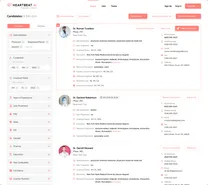
Heartbeat.ai maintains contact data for licensed healthcare professionals across the United States, searchable with filters for specialty, location, and credential type. Recruiters can narrow results to child psychiatric nurses in Kentucky and export verified contact information for outreach.
Related search terms may include pediatric nursing and adolescent psychiatric nursing, but these titles describe different roles and are not interchangeable. Recruiters seeking pediatric behavioral health staff may need to consider several relevant titles and verify that candidates’ qualifications match the role.
If you’re building a pipeline for pediatric mental health hiring, research, or partnership outreach, a regularly refreshed contact list saves the time otherwise spent manually verifying phone numbers and emails one provider at a time.
Child Psychiatric Nursing in Kentucky’s Healthcare Landscape
Kentucky’s healthcare system includes pediatric psychiatric care delivered through hospital systems such as Norton Children’s Hospital in Louisville and Kentucky Children’s Hospital in Lexington, both of which run pediatric behavioral health programs as part of broader children’s health services.
Access to specialized pediatric mental health staff may vary across Kentucky, including between rural areas and urban centers. Recruiters can account for this by considering candidates and employers across the state rather than limiting outreach to major metro areas.
Why Accurate Contact Information Matters
Outdated contact information causes real friction in three areas:
- Recruitment: A wrong number or dead email means a delayed response or a lost candidate to another employer moving faster.
- Care coordination: Families and referring providers need a working line to reach a psychiatric nurse for scheduling or follow-up.
- Professional networking: Conferences, research collaborations, and cross-referrals depend on being able to actually get in touch with the right specialist.
None of this is unique to Kentucky, but the smaller pool of specialized pediatric psychiatric nurses in the state makes each accurate contact more valuable and each wrong one more costly in wasted time.
Common Obstacles to Finding Child Psychiatric Nurses in Kentucky
A few recurring issues make sourcing harder in this specialty:
- A general shortage of psychiatric nursing professionals nationwide, which Kentucky shares with most states.
- Rural areas struggling to attract and retain specialized staff, widening the urban-rural access gap.
- Stigma around mental health care, which can suppress demand signals and make staffing needs less visible than in other specialties.
- Directory data that’s rarely maintained once a provider changes jobs, practices, or contact details.
Telehealth can support remote psychiatric consultations, but it does not by itself address recruitment needs: organizations still need to identify qualified candidates and reach them. A maintained contact database may help with outreach, alongside other recruiting methods.
What’s Included in Heartbeat’s Child Psychiatric Nurse Contact Data
Heartbeat compiles provider-level data intended to support outreach and recruitment workflows, including:
- Child psychiatric nurse name
- Location
- Contact numbers (work, cell, mobile)
- Email address
- Specialization
- Years of experience
- Sole proprietor status
- Licensed states
- License number
- Fax
- Address
Child Psychiatric Nurse Contact Lists by State
Explore contact lists for child psychiatric nurses across other states:
| Child psychiatric nurse by states |
|---|
| Child psychiatric nurse in Alabama |
| Child psychiatric nurse in Alaska |
| Child psychiatric nurse in Arizona |
| Child psychiatric nurse in Arkansas |
| Child psychiatric nurse in California |
| Child psychiatric nurse in Colorado |
| Child psychiatric nurse in Connecticut |
| Child psychiatric nurse in Delaware |
| Child psychiatric nurse in Florida |
| Child psychiatric nurse in Georgia |
| Child psychiatric nurse in Hawaii |
| Child psychiatric nurse in Idaho |
| Child psychiatric nurse in Illinois |
| Child psychiatric nurse in Indiana |
| Child psychiatric nurse in Iowa |
| Child psychiatric nurse in Kansas |
| Child psychiatric nurse in Kentucky |
| Child psychiatric nurse in Louisiana |
| Child psychiatric nurse in Maine |
| Child psychiatric nurse in Maryland |
| Child psychiatric nurse in Massachusetts |
| Child psychiatric nurse in Michigan |
| Child psychiatric nurse in Minnesota |
| Child psychiatric nurse in Mississippi |
| Child psychiatric nurse in Missouri |
| Child psychiatric nurse in Montana |
| Child psychiatric nurse in Nebraska |
| Child psychiatric nurse in Nevada |
| Child psychiatric nurse in New hampshire |
| Child psychiatric nurse in New jersey |
| Child psychiatric nurse in New mexico |
| Child psychiatric nurse in New york |
| Child psychiatric nurse in North carolina |
| Child psychiatric nurse in North dakota |
| Child psychiatric nurse in Ohio |
| Child psychiatric nurse in Oklahoma |
| Child psychiatric nurse in Oregon |
| Child psychiatric nurse in Pennsylvania |
| Child psychiatric nurse in Rhode island |
| Child psychiatric nurse in South carolina |
| Child psychiatric nurse in South dakota |
| Child psychiatric nurse in Tennessee |
| Child psychiatric nurse in Texas |
| Child psychiatric nurse in Utah |
| Child psychiatric nurse in Vermont |
| Child psychiatric nurse in Virginia |
| Child psychiatric nurse in Washington |
| Child psychiatric nurse in West virginia |
| Child psychiatric nurse in Wisconsin |
| Child psychiatric nurse in Wyoming |
How Heartbeat Compiles Contact Data
Heartbeat says it aggregates provider information from public and private sources and verifies and refreshes it on an ongoing basis. Contact information can change when providers move between employers or practice settings, so recruiters should confirm details before relying on them.
If contact information is current, it may reduce time spent tracking down missing or outdated details before an outreach campaign. Recruiters should still verify contact information before use.
Deciding Whether a Contact Database Fits Your Workflow
A contact list may be most useful when you’re conducting outreach for multiple roles or building a longer-term pipeline of pediatric psychiatric nursing talent. If you need to reach only one or two known individuals, a direct referral or existing professional network may be sufficient. Compare the subscription cost with the time your team spends finding and checking contact details to decide whether a database fits your workflow.
Who Uses Child Psychiatric Nurse Contact Lists
Contact lists like this typically serve healthcare recruiters, hospital HR teams, staffing agencies, medical device or pharmaceutical sales teams, academic researchers studying pediatric mental health workforce trends, and organizers of clinical conferences or continuing education events. Anyone using the data for outreach should stay mindful of applicable privacy and communication regulations, particularly when contacting licensed clinicians for commercial purposes.
Using the Data Effectively
A few practical guidelines for outreach to psychiatric nursing professionals:
- Keep initial messages short and specific about why you’re reaching out.
- Never include identifiable patient information in outreach communications.
- Verify contact data periodically rather than assuming a list stays accurate indefinitely.
- Expect longer relationship-building timelines in healthcare recruiting than in most other industries.
- Lead with the role or opportunity itself, not generic marketing language.
Bottom Line
Recruiting child psychiatric nurses in Kentucky can involve challenges such as locating qualified candidates and keeping contact information current. A maintained contact database may help streamline outreach, but it does not address underlying workforce needs or replace verification of candidate qualifications and contact details.
Frequently Asked Questions
What does a child psychiatric nurse do?
A child psychiatric nurse provides mental health assessment, treatment support, and ongoing care coordination for children and adolescents with psychiatric conditions.
What qualifications are needed to become a child psychiatric nurse in Kentucky?
Typically this path involves completing a nursing degree, becoming a licensed registered nurse, gaining psychiatric nursing experience, and pursuing psychiatric-mental health nursing certification.
Where can I find job opportunities for child psychiatric nurses in Kentucky?
Job boards, hospital career pages, and direct outreach to psychiatric clinics and children’s hospitals in Kentucky are common starting points for this search.