What’s on this page:
Key takeaways
- Practice names are only one part of an outreach list; phone numbers and email addresses can become outdated as providers move or practices change.
- Heartbeat says users can filter its database by specialty, location, and practice type.
- The article lists practice name, location, contact details, specialization, and licensing information as fields that may appear in a contact record.
- Heartbeat says contact accuracy is checked on an ongoing basis, but not guaranteed for every record; spot-checking before a large campaign is advisable.
- Check applicable privacy and consent requirements before contacting people.
Last updated: August 31, 2026
If you’re building outreach lists for medical group practices in California, the biggest bottleneck usually isn’t finding practice names — it’s getting current, working phone numbers and email addresses for the physicians and administrators inside those groups. California’s healthcare market is large and fragmented, spanning integrated systems, independent physician groups, and multi-specialty clinics across urban and rural regions, which makes manual list-building slow and error-prone.
This article covers what accurate contact data actually solves for recruiters, marketers, and healthcare vendors, where the common friction points are, and how a verified contact database like Heartbeat.ai fits into that workflow.
Get a California Medical Group Practice Email List from Heartbeat
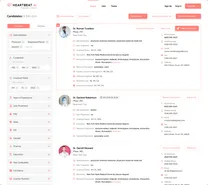
Heartbeat.ai’s database covers licensed healthcare professionals across the United States, including physicians and staff at medical group practices in California. You can filter by specialty, location, and practice type to build a list matched to a specific campaign or hiring need.
Heartbeat says its database spans hospitals, specialty clinics, family medicine centers, urgent care clinics, preventive care groups, and multidisciplinary practices. The company says lists are downloadable after purchase and refreshed on an ongoing basis to help reduce bounced emails and disconnected numbers. Contact data can still become outdated, so verify records before using them.
California’s Medical Group Practice Landscape
California is home to a large number of medical group practices spanning family practice, internal medicine, pediatrics, and dozens of other specialties, ranging from small independent practices to large integrated systems serving both urban and rural populations.
California healthcare includes large systems such as Kaiser Permanente, Dignity Health, and UCLA Health, alongside independent practices and other provider organizations. When planning outreach by practice size or affiliation, identifying a group’s system or organizational ties can help you tailor messaging.
Why Accurate Contact Data Matters
Outdated contact information creates friction at every stage of outreach:
- Recruitment: Recruiters need a working number or email to verify credentials, schedule interviews, and move candidates through a hiring pipeline without delays.
- Marketing and sales: Campaigns aimed at primary care physicians or specialists only convert if the contact details are current — a bounced email or disconnected line is a wasted touchpoint.
- Professional networking: Physicians, nurses, and administrators rely on accurate directories to consult with peers and coordinate care, which depends on contact data staying current as staff move between practices.
These issues are not unique to California. In a large, geographically diverse market, provider moves and new hires can make contact lists stale; even a list that is several months old may need review.
Common Challenges in Sourcing Practice Contacts
Building a reliable contact list for medical group practices in California runs into a few recurring problems:
- Geographic spread: Practices are distributed across dense urban centers and remote rural counties, making manual research inconsistent.
- Fragmented public data: State licensing boards, NPI registries, and practice websites each hold partial information, and none of them are updated in sync.
- Turnover: Physicians switch practices, retire, or relocate, so a contact list can go stale within months if it isn’t refreshed.
- Verifying reputation and fit: Beyond contact details, matching a practice’s specialty focus or service quality to your outreach goal takes additional research.
A contact database that aggregates information from multiple sources and checks contact details may help address the first three problems, but it won’t replace the qualitative research needed to assess a practice’s reputation or fit.
What’s Included in Heartbeat’s Medical Group Practice Contact Lists
Heartbeat’s contact lists are built to reduce the manual work of cross-referencing multiple public and private data sources. Each record is structured for direct use in outreach or CRM systems, and typically includes:
- Medical group practice name
- Location
- Contact numbers (work, cell, mobile)
- Email address
- Specialization
- Years of experience
- Sole proprietor status
- Licensed states
- License number
- Fax
- Address
 Accuracy & coverage of personal contact info were unrivaled by other platforms… this gives any healthcare recruiter a competitive advantage when engaging hard-to-reach healthcare providers.
Senior Growth Strategist






Medical Group Practice Contact Lists by State
Explore comprehensive contact data for medical group practices across other U.S. states below.
| Medical group practice by states |
|---|
| Medical group practice in Alabama |
| Medical group practice in Alaska |
| Medical group practice in Arizona |
| Medical group practice in Arkansas |
| Medical group practice in California |
| Medical group practice in Colorado |
| Medical group practice in Connecticut |
| Medical group practice in Delaware |
| Medical group practice in Florida |
| Medical group practice in Georgia |
| Medical group practice in Hawaii |
| Medical group practice in Idaho |
| Medical group practice in Illinois |
| Medical group practice in Indiana |
| Medical group practice in Iowa |
| Medical group practice in Kansas |
| Medical group practice in Kentucky |
| Medical group practice in Louisiana |
| Medical group practice in Maine |
| Medical group practice in Maryland |
| Medical group practice in Massachusetts |
| Medical group practice in Michigan |
| Medical group practice in Minnesota |
| Medical group practice in Mississippi |
| Medical group practice in Missouri |
| Medical group practice in Montana |
| Medical group practice in Nebraska |
| Medical group practice in Nevada |
| Medical group practice in New hampshire |
| Medical group practice in New jersey |
| Medical group practice in New mexico |
| Medical group practice in New york |
| Medical group practice in North carolina |
| Medical group practice in North dakota |
| Medical group practice in Ohio |
| Medical group practice in Oklahoma |
| Medical group practice in Oregon |
| Medical group practice in Pennsylvania |
| Medical group practice in Rhode island |
| Medical group practice in South carolina |
| Medical group practice in South dakota |
| Medical group practice in Tennessee |
| Medical group practice in Texas |
| Medical group practice in Utah |
| Medical group practice in Vermont |
| Medical group practice in Virginia |
| Medical group practice in Washington |
| Medical group practice in West virginia |
| Medical group practice in Wisconsin |
| Medical group practice in Wyoming |
How the Data Is Compiled
Heartbeat says it aggregates provider information from official, private, and public sources and uses predictive modeling to fill gaps and check contact details. The company reports that its database covers over 11 million U.S. healthcare professionals, including millions of direct cell numbers and personal email addresses. It says contact accuracy is validated on an ongoing basis, but is not guaranteed for every record; spot-check a sample before launching a large campaign.
Who Uses a Medical Group Practice Contact List
Recruiters, marketing teams, sales representatives, and independent consultants may use these lists for hiring, targeted campaigns, product or service introductions, and referral networking. Before contacting anyone, check the privacy, consent, and other requirements that apply to your intended outreach.
How to Use the Data Effectively
A few practices make outreach more productive and reduce the chance of it being ignored or flagged as spam:
- Keep messaging concise and specific to the recipient’s specialty or role.
- Time outreach to avoid clinic hours when providers are least likely to respond.
- Segment lists by specialty, location, or practice size rather than sending one blanket message.
- Confirm you have a legitimate basis for contacting each person under applicable privacy rules before sending.
Conclusion
For California medical group outreach, finding practice names is only part of the task; contact details also need to be current enough to use. A database such as Heartbeat.ai’s may reduce manual research for recruiters, marketers, and vendors, but records should be checked and used in line with applicable privacy and outreach requirements.
Frequently Asked Questions
What is a medical group practice?
A medical group practice is a group of healthcare professionals — physicians, nurses, and other providers — who work together to deliver coordinated care to patients.
How does a medical group practice work?
Providers in a medical group practice typically share office space, equipment, and administrative resources, and often collaborate on treatment plans for shared patients.
What are the benefits of a medical group practice?
Group practices can offer patients access to a broader range of services, more coordinated care between providers, and easier sharing of medical records within the group.
How can I find a medical group practice in California?
You can search state licensing directories, ask for a referral from a primary care provider, or check your health insurer’s network directory for in-network practices.