What’s on this page:
Key takeaways
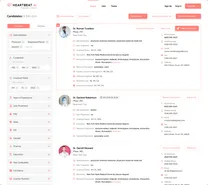
- Heartbeat AI says its fetal medicine specialist list includes contact details and segmentation options such as geography, sub-specialty, experience, and affiliation.
- The article lists data fields including names, locations, contact details, sub-specialization, affiliation status, licensed states, license numbers, fax numbers, and addresses.
- Heartbeat AI reports roughly 84% accuracy for cell phone numbers and 92% for personal emails; these are vendor claims that should be assessed before use.
- The article recommends checking a vendor’s data sources, update frequency, segmentation options, and privacy practices before buying a list.
- Verify contacts and follow applicable privacy, anti-spam, and opt-out requirements before conducting outreach.
Last updated: August 28, 2026

Finding current, working contact details for fetal medicine specialists is harder than it sounds. Practitioners change hospitals, switch email domains, or move states, and directories that aren’t actively maintained go stale fast. If you’re building outreach for recruitment, clinical trials, or medical sales, that staleness shows up as bounced emails and wasted calls.
Heartbeat AI says it maintains a database of fetal medicine specialists with contact records that are refreshed on an ongoing basis, rather than compiled once and left unchanged.
Below is a practical look at what the list includes, how Heartbeat AI says it is assembled, and considerations for using it responsibly.
What You Get in Heartbeat’s Fetal Medicine Specialist Email List

Heartbeat AI‘s directory of fetal medicine specialists is built for teams that need to reach this narrow specialty directly, not just find a name and hope the contact info still works. Here’s what the resource includes:
- Direct contact details: email addresses, phone numbers, and mailing addresses so you’re not stuck guessing at generic hospital switchboard numbers.
- Segmentation: filter by geography, sub-specialty, years of experience, or hospital and clinic affiliation to build a tighter target list instead of a mass blast.
- Ongoing verification: records are checked and updated periodically to cut down on bounces and outdated entries, though no list stays perfectly current between refresh cycles.
- National coverage: specialists from a range of regions and institutions, useful if your outreach isn’t limited to one metro area.
Data Fields Included in the Mailing List
- Name
- Location
- Contact number (work, cell, mobile)
- Email address
- Sub-specialization
- Years of experience
- Affiliation status
- Licensed states
- License number
- Fax
- Address
 Accuracy & coverage of personal contact info were unrivaled by other platforms… this gives any healthcare recruiter a competitive advantage when engaging hard-to-reach healthcare providers.
Senior Growth Strategist





Why a Verified List Matters More Than a Large One

A large list of stale contacts can hurt sender reputation. A well-maintained list may help teams focus outreach, but it does not guarantee delivery or engagement.
Targeted communication
Messages reach people who are actually positioned to care about them, which matters more in a niche specialty than in broad healthcare marketing where volume can sometimes compensate for poor targeting.
Time and resource efficiency
Narrowing outreach to a relevant group means you’re not burning budget or staff hours on contacts who were never going to respond.
Better engagement
Relevant, specialty-specific outreach may be more useful to recipients than generic messages sent to a broad physician list, though engagement depends on the message and audience.
Stronger marketing ROI
Focusing on a relevant audience can help teams use budget and staff time more efficiently, although results depend on the campaign.
Compliance and reputation protection
Using verified, appropriately sourced contacts may reduce bounces, but list verification alone does not establish compliance with anti-spam laws or guarantee deliverability. Check applicable requirements and your organization’s policies.
Fetal Medicine Specialists by Category
The database organizes specialists by the type of work they focus on, which makes it easier to match your outreach to the right sub-specialty instead of emailing everyone in fetal medicine indiscriminately.
Fetal Medicine Specialists by State
Browse specialists by state if your outreach is regional rather than national.
How the Data Gets Compiled

Data collection
Heartbeat AI describes its data as coming from medical directories, hospital records, professional networking platforms, and data partners that help source and cross-check contact details.
Filtering and segmenting
Records are filtered to keep only fetal medicine specialists, then tagged for the segmentation filters mentioned earlier.
Verification
Heartbeat AI says email addresses and other contact fields are checked for validity before being added to the database; those checks do not guarantee that every record is current or usable.
Analysis
Verified data is reviewed for patterns, such as regional distribution or concentration of sub-specialties, which helps refine how the list is organized.
Final list compilation
Heartbeat AI says the finished dataset is formatted for practical use and is typically exportable for outreach or CRM import. Confirm available formats and integrations with the provider.
Why Choose Heartbeat AI’s Fetal Medicine Specialist List

Broad coverage
Heartbeat’s database spans over 11 million healthcare professionals in the US, with fetal medicine specialists represented as a distinct segment rather than buried in a generic OB-GYN category.
Direct contact access
The platform may provide personal cell numbers and email addresses where available. Confirm that the contact details are appropriate for your purpose and that your use complies with applicable privacy and outreach rules.
Data accuracy claims
Heartbeat AI states that its predictive modeling delivers roughly 84% accuracy for cell phone numbers and 92% for personal emails. These are vendor claims; consider testing a sample and clarifying how accuracy is measured before relying on them.
Search and filtering
You can search by specialty and sub-specialty rather than scrolling through an undifferentiated list.
Chrome extension
A Chrome Extension lets you pull contact details while browsing platforms like LinkedIn, which is useful for verifying a specialist’s current role before you reach out.
What to Check Before You Buy an Email List

Not every vendor list is worth the price tag. Run through this checklist before committing:
- Update frequency: ask how often records are refreshed and how bounces or invalid entries are handled.
- Source transparency: understand where the underlying data comes from — directories, licensing boards, direct submissions — rather than taking accuracy claims at face value.
- Privacy compliance: confirm the provider’s practices align with applicable privacy regulations before you load contacts into your CRM.
- Segmentation depth: check whether you can filter by the criteria that matter for your campaign, like state or sub-specialty.
- Cost versus usable contacts: a cheaper list with a high bounce rate can end up costing more per successful contact than a pricier, better-maintained one.
Who Typically Uses This Kind of List

Healthcare institutions
Hospitals and clinics use it for recruitment outreach, partnership discussions, and equipment or service updates.
Pharmaceutical companies
Sales and clinical trial recruitment teams use targeted specialist contacts to reach the right investigators and prescribers for fetal medicine-related products and studies.
Medical equipment suppliers
Vendors selling imaging or diagnostic equipment for fetal medicine can reach specialists directly instead of going through generic hospital procurement channels.
Academic and research institutions
Useful for recruiting collaborators, inviting speakers, or filling seats at conferences and seminars.
Medical associations
Membership organizations use the list to communicate with members and promote events.
Recruitment agencies
Staffing firms use it to source candidates for open fetal medicine positions.
How to Use the List Without Burning Your Reputation

Know who you’re emailing
Fetal medicine specialists are busy clinicians. Relevant, tailored messages may be more useful than generic mass marketing, but no approach guarantees that a message will be opened or answered.
Keep it short
Lead with the value, skip the preamble, and make it obvious within the first two sentences why this email is worth their time.
Personalize where it counts
Referencing their sub-specialty, location, or institution signals you did homework rather than blasting a purchased list indiscriminately.
Give them something useful
Trends in fetal medicine, new equipment, or relevant conference details all work better than a pure sales pitch with no context.
Build in an opt-out
Include a clear opt-out mechanism and follow the rules that apply to your message and recipients. An unsubscribe option is a legal requirement in some contexts and jurisdictions, and it can also help protect sender reputation.
Bottom Line
A fetal medicine specialist list is only as useful as its accuracy and how thoughtfully you use it. Verify the source, ask about update practices, and match outreach to a relevant audience. A vendor’s verification claims do not guarantee accuracy, compliance, or campaign results.
FAQs
How can a database of fetal medicine specialists be used?
Mainly for professional communication, networking, marketing, and research — connecting directly with experts in the field rather than going through generic hospital contacts.
What sets Heartbeat AI’s directory apart from other providers?
It focuses on verified, regularly updated contact data with segmentation options that let you target outreach by specialty, location, or affiliation.
Can the list be integrated with CRM systems?
Yes, the data is typically exportable in formats that integrate with most standard CRM platforms.