What’s on this page:
Key takeaways
- A CRNA-specific contact list is intended to help users focus outreach on certified registered nurse anesthetists rather than a broader nursing directory.
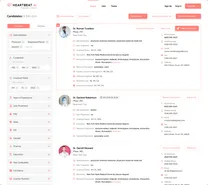
- The article describes possible data fields such as location, email, phone numbers, specialization, experience, and licensed states.
- Ask a provider about data sources, verification methods, and refresh frequency before relying on a list.
- Filter contacts by relevant criteria and tailor outreach to the intended audience.
- A verified record is not a guarantee that contact information is current or that a message will reach its recipient.
- Check applicable privacy and marketing requirements before using contact information.
Last updated: August 28, 2026
Certified registered nurse anesthetists (CRNAs) are one of the fastest-growing advanced practice roles in U.S. healthcare, and the profession’s continued expansion makes it harder for recruiters, vendors, and researchers to keep contact records current. Bureau of Labor Statistics projections cited by industry sources point to strong double-digit job growth for nurse anesthetists through the early 2030s, which means outreach lists built even a year or two ago may already be missing new licensees or have stale contact details.
A specialized CRNA email and phone list is intended to help users find contact information for a credentialed group that may be difficult to identify in general nursing directories. Heartbeat AI describes its dataset as serving this purpose; this page outlines the information it says is included, how it says the data is built, and considerations for responsible outreach.
What’s Included in Heartbeat’s CRNA Contact Data
Heartbeat AI describes its platform as supporting passive healthcare recruitment and outreach, with access to personal email addresses and cell phone numbers for U.S. healthcare providers. For CRNAs, the company says its data includes:
- Specialized contact records built around CRNAs rather than general nursing staff, so you’re not sorting through irrelevant credentials.
- Regularly refreshed records, since CRNAs change employers, states, and practice settings often enough that static lists degrade quickly.
- Filterable segments by location, experience level, and practice setting.
- Direct email and phone access, which cuts out gatekeepers like front-desk staff or general hospital inboxes.
- Marketing and networking use cases, from recruitment outreach to product or service marketing aimed at anesthesia providers.
Typical Data Fields
- Name
- Location
- Contact numbers (work, cell, mobile)
- Email address
- Specialization
- Years of experience
- Sole proprietor status
- Licensed states
- License number
- Fax
- Address
 Accuracy & coverage of personal contact info were unrivaled by other platforms… this gives any healthcare recruiter a competitive advantage when engaging hard-to-reach healthcare providers.
Senior Growth Strategist





Why a Verified CRNA List Matters More Than a General Nursing List
General nursing directories may not clearly separate CRNAs from RNs or other advanced practice roles, so users may need to spend time filtering records. A CRNA-specific list is intended to make that task more focused:
Direct access without gatekeepers
CRNAs may be reached through hospital switchboards or shared departmental inboxes, which can slow outreach. Direct contact information may provide another route, but users should confirm that it is appropriate to use.
Time savings
Building a list manually from state license boards, hospital staff pages, and conference rosters takes real time. A pre-built list shortens that research cycle considerably.
Fewer bounced messages
Recently verified email addresses may reduce bounced messages, supporting deliverability and helping protect a sending domain’s reputation. Verification does not guarantee that every address will work.
More precise targeting
For recruiting, marketing anesthesia equipment, or inviting study participants, filtering by state, experience, or setting can help make a message more relevant to its recipient.
Compliance considerations
Before buying a list, ask the provider how the data was sourced and what steps it takes to address applicable privacy and marketing requirements. The sender remains responsible for checking the rules that apply to its outreach.
CRNA Categories You Might Filter By
CRNAs work across different clinical focus areas. If you need to target a particular group, check whether the list provider supports filtering by the categories relevant to your outreach.
| CRNA Practice Category |
|---|
| General Anesthesia CRNAs |
| Pediatric Anesthesia CRNAs |
| Obstetric Anesthesia CRNAs |
| Cardiovascular Anesthesia CRNAs |
| Regional Anesthesia CRNAs |
| Pain Management CRNAs |
| Trauma Anesthesia CRNAs |
| Ambulatory Surgery CRNAs |
| Neurosurgical Anesthesia CRNAs |
| Transplant Anesthesia CRNAs |
State-Level Coverage
The article lists state-level CRNA pages as a reference. State-specific coverage and available records should be confirmed with the provider.
| State |
|---|
| Certified Registered Nurse Anesthetist in Alabama |
| Certified Registered Nurse Anesthetist in Alaska |
| Certified Registered Nurse Anesthetist in Arizona |
| Certified Registered Nurse Anesthetist in Arkansas |
| Certified Registered Nurse Anesthetist in California |
| Certified Registered Nurse Anesthetist in Colorado |
| Certified Registered Nurse Anesthetist in Connecticut |
| Certified Registered Nurse Anesthetist in Delaware |
| Certified Registered Nurse Anesthetist in Florida |
| Certified Registered Nurse Anesthetist in Georgia |
| Certified Registered Nurse Anesthetist in Hawaii |
| Certified Registered Nurse Anesthetist in Idaho |
| Certified Registered Nurse Anesthetist in Illinois |
| Certified Registered Nurse Anesthetist in Indiana |
| Certified Registered Nurse Anesthetist in Iowa |
| Certified Registered Nurse Anesthetist in Kansas |
| Certified Registered Nurse Anesthetist in Kentucky |
| Certified Registered Nurse Anesthetist in Louisiana |
| Certified Registered Nurse Anesthetist in Maine |
| Certified Registered Nurse Anesthetist in Maryland |
| Certified Registered Nurse Anesthetist in Massachusetts |
| Certified Registered Nurse Anesthetist in Michigan |
| Certified Registered Nurse Anesthetist in Minnesota |
| Certified Registered Nurse Anesthetist in Mississippi |
| Certified Registered Nurse Anesthetist in Missouri |
| Certified Registered Nurse Anesthetist in Montana |
| Certified Registered Nurse Anesthetist in Nebraska |
| Certified Registered Nurse Anesthetist in Nevada |
| Certified Registered Nurse Anesthetist in New Hampshire |
| Certified Registered Nurse Anesthetist in New Jersey |
| Certified Registered Nurse Anesthetist in New Mexico |
| Certified Registered Nurse Anesthetist in New York |
| Certified Registered Nurse Anesthetist in North Carolina |
| Certified Registered Nurse Anesthetist in North Dakota |
| Certified Registered Nurse Anesthetist in Ohio |
| Certified Registered Nurse Anesthetist in Oklahoma |
| Certified Registered Nurse Anesthetist in Oregon |
| Certified Registered Nurse Anesthetist in Pennsylvania |
| Certified Registered Nurse Anesthetist in Rhode Island |
| Certified Registered Nurse Anesthetist in South Carolina |
| Certified Registered Nurse Anesthetist in South Dakota |
| Certified Registered Nurse Anesthetist in Tennessee |
| Certified Registered Nurse Anesthetist in Texas |
| Certified Registered Nurse Anesthetist in Utah |
| Certified Registered Nurse Anesthetist in Vermont |
| Certified Registered Nurse Anesthetist in Virginia |
| Certified Registered Nurse Anesthetist in Washington |
| Certified Registered Nurse Anesthetist in West Virginia |
| Certified Registered Nurse Anesthetist in Wisconsin |
| Certified Registered Nurse Anesthetist in Wyoming |
How the Data Gets Compiled
Heartbeat AI says it draws on sources such as healthcare databases, professional directories, and conference records, and verifies records before delivery. Ask the provider for details about its current sources, verification methods, and refresh schedule. The general process it describes is:
- Collection — records are gathered from hundreds of sources tied to nursing and anesthesia credentials.
- Verification — automated checks confirm whether an email or phone number is still active rather than assuming static data stays accurate over time.
- Refresh cycles — outdated contacts get removed and new licensees get added, since CRNAs move between employers and states fairly often.
- Compliance review — collection and processing methods are checked against applicable privacy expectations.
- Segmentation — users can filter by geography, experience, or setting rather than working from one flat list.
- Quality check — a final pass before delivery, aimed at usability, not just raw accuracy.
Choosing Between List Providers: What Actually Matters
Not every provider markets itself the same way, so it helps to have a short checklist rather than relying on marketing claims alone.
- Recency — ask when the list was last refreshed. A list untouched for a year will have meaningfully higher bounce rates.
- Sourcing transparency — a provider should be willing to explain, at least broadly, where the data originates.
- Segmentation depth — can you filter by state, specialty, and setting, or is it one undifferentiated file?
- Compliance posture — does the provider address CAN-SPAM, TCPA, or similar obligations, or is that left entirely to you?
- Integration — does the data export cleanly into your CRM or outreach tool, or does it require manual cleanup?
- Price relative to accuracy — the cheapest list is rarely the best value if half the contacts bounce.
Heartbeat AI describes its platform as offering broad healthcare contact coverage, a Chrome extension for pulling contact details from professional networking sites, bulk file uploads, and tiered pricing plans. Confirm that these features, current accuracy information, and pricing meet your needs directly with the provider, since product details can change.
Who Actually Uses a CRNA Contact List
- Medical equipment suppliers selling anesthesia-related products directly to practicing CRNAs.
- Pharmaceutical teams communicating dosing updates or trial information relevant to anesthesia practice.
- Continuing education providers promoting advanced certifications or coursework.
- Healthcare recruiters sourcing CRNAs for open roles in hospitals and surgical centers.
- Medical publishers looking for subscribers, contributors, or peer reviewers.
- Research teams recruiting participants or collaborators for anesthesia-related studies.
Using the List Without Wasting It
A verified list alone does not ensure effective outreach. Use these practical guardrails:
- Segment before you send. A CRNA in a rural ambulatory center and one in a pediatric cardiovascular unit don’t need the same message.
- Lead with something useful, not just a pitch — a relevant update, a genuine invitation, or a clear value proposition.
- Personalize lightly using the data you have (name, state, specialty) rather than generic mail-merge filler.
- Respect applicable regulations, including consent and opt-out requirements under laws like CAN-SPAM, and be mindful that CRNAs, like other clinicians, operate under professional privacy expectations.
- Include a single clear next step in each message rather than multiple competing calls to action.
- Track results — open rates and reply rates tell you whether your segmentation and messaging are actually working, and that feedback should shape your next send.
Limitations Worth Knowing
No contact database is perfect. CRNAs may change employers or states, so some records can become outdated even after verification. Treat a list as a starting point for outreach, not a guarantee that every contact will be current or reachable, and check whether it needs refreshing.
A CRNA contact list may help recruiters, suppliers, and researchers organize outreach to this group of clinicians. Its usefulness depends on factors such as how current and segmentable the data is, how it was sourced, and whether its use is appropriate for your outreach.
Frequently Asked Questions
How accurate is a CRNA email list?
Accuracy depends heavily on how recently the list was verified and how the provider sources its records. Ask about refresh frequency before relying on any list for a large campaign.
How do I check privacy and compliance before using a CRNA list?
Confirm the provider’s sourcing methods and make sure your own outreach follows applicable regulations, including consent and opt-out requirements for commercial email.
What does a CRNA email list typically cost?
Pricing varies by list size, specificity, and update frequency. It’s reasonable to request quotes from a few providers and compare what’s included before committing.