What’s on this page:
Key takeaways
- A specialist email list is useful only to the extent that its records are current, accurate, and relevant to the intended outreach.
- Before buying a list, ask about its sources, verification methods, refresh schedule, and available filters.
- Confirm state coverage and check current licensure through appropriate official sources when licensure matters to the activity.
- Segment contacts by relevant criteria and tailor messages to recipients rather than sending broad, generic outreach.
- Review the privacy and marketing rules that apply to your data and campaign; a vendor’s compliance statement does not replace your own assessment.
Last updated: August 28, 2026

Finding allergists and immunologists for outreach, research, or recruiting can take time. Contact details may change when physicians switch practices, and directories vary in the contact information they provide. A purpose-built allergy and immunology specialists email list can help with sourcing, but its usefulness depends on how current and well-verified the data is.
Below is what a well-built list should include, how it typically gets compiled, and practical guidance on using it without wasting outreach on dead contacts.
What’s Included in a Heartbeat AI Allergy and Immunology Specialists List

Heartbeat AI’s allergy and immunology dataset is built for people who need to reach these specialists directly, whether for business development, clinical research recruitment, or partnership outreach.
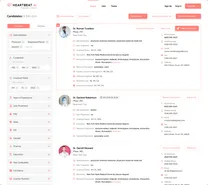
- Multi-channel contact information: email addresses, direct and mobile phone numbers, fax numbers, and mailing addresses, so you’re not stuck with a single point of contact per record.
- Periodic verification: contact records are checked and refreshed on a recurring basis rather than compiled once and left static.
- Filterable segments: build lists around location, sub-specialty, or practice type instead of working from one flat file.
- National coverage: specialists are represented across a range of regions and practice settings, not concentrated in a handful of major metro areas.
Data Fields Typically Included
- Specialist name
- Practice location
- Work, cell, and direct phone numbers
- Email address
- Sub-specialty and clinical focus
- Years in practice
- Sole proprietor status
- State licensure
- License number
- Fax number
- Physical practice address
 Accuracy & coverage of personal contact info were unrivaled by other platforms… this gives any healthcare recruiter a competitive advantage when engaging hard-to-reach healthcare providers.
Senior Growth Strategist






Why a Verified Mailing List Matters More Than Volume

A large contact list may have limited value if many email addresses are invalid. Its usefulness depends on the quality and currency of the records.
Targeting Actually Works
Segmented, specialty-specific contacts let you skip the broad blast approach and focus outreach on the physicians most likely to care about your message.
Less Time Spent on Sourcing
Building a list of allergists and immunologists from directories, state boards, and hospital sites can require substantial manual research. A pre-compiled list may reduce some of that work, but its coverage and accuracy should still be checked.
Better Response Rates
Reaching relevant specialists at valid addresses may improve the chance that an outreach message reaches its intended audience. Results depend on list quality, message relevance, and campaign practices; avoid assuming that a list will produce higher open or reply rates without supporting data.
Easier Professional Networking
Whether you’re arranging peer consultations or building referral relationships, direct contact information removes a layer of friction compared to going through a front desk.
A Window Into the Specialty
Reviewing where allergists and immunologists practice and how they’re distributed can inform decisions about where to focus a product launch, hire, or research recruitment effort.
Allergy and Immunology Specialists by Category
The specialty covers a range of sub-focuses, and a good list should let you filter by them rather than treating every allergist the same way.
| Allergy and Immunology Specialists by Category |
| Pediatric Allergist/Immunologist |
| Clinical Immunologist |
| Food Allergist |
| Drug Allergist |
| Insect Allergist |
| Environmental Allergist |
| Asthma Specialist |
| Eczema Specialist |
| Urticaria (Hives) Specialist |
| Angioedema Specialist |
| Autoimmune Disease Specialist |
| Immunodeficiency Specialist |
Coverage by State
For region-specific outreach, confirm which states are covered and check current licensure through appropriate official sources. Directory coverage alone does not establish a specialist’s current licensure or eligibility for a particular activity.
| Allergy and Immunology Specialists By States |
| Allergy and Immunology Specialists in Alabama |
| Allergy and Immunology Specialists in Alaska |
| Allergy and Immunology Specialists in Arizona |
| Allergy and Immunology Specialists in Arkansas |
| Allergy and Immunology Specialists in California |
| Allergy and Immunology Specialists in Colorado |
| Allergy and Immunology Specialists in Connecticut |
| Allergy and Immunology Specialists in Delaware |
| Allergy and Immunology Specialists in Florida |
| Allergy and Immunology Specialists in Georgia |
| Allergy and Immunology Specialists in Hawaii |
| Allergy and Immunology Specialists in Idaho |
| Allergy and Immunology Specialists in Illinois |
| Allergy and Immunology Specialists in Indiana |
| Allergy and Immunology Specialists in Iowa |
| Allergy and Immunology Specialists in Kansas |
| Allergy and Immunology Specialists in Kentucky |
| Allergy and Immunology Specialists in Louisiana |
| Allergy and Immunology Specialists in Maine |
| Allergy and Immunology Specialists in Maryland |
| Allergy and Immunology Specialists in Massachusetts |
| Allergy and Immunology Specialists in Michigan |
| Allergy and Immunology Specialists in Minnesota |
| Allergy and Immunology Specialists in Mississippi |
| Allergy and Immunology Specialists in Missouri |
| Allergy and Immunology Specialists in Montana |
| Allergy and Immunology Specialists in Nebraska |
| Allergy and Immunology Specialists in Nevada |
| Allergy and Immunology Specialists in New Hampshire |
| Allergy and Immunology Specialists in New Jersey |
| Allergy and Immunology Specialists in New Mexico |
| Allergy and Immunology Specialists in New York |
| Allergy and Immunology Specialists in North Carolina |
| Allergy and Immunology Specialists in North Dakota |
| Allergy and Immunology Specialists in Ohio |
| Allergy and Immunology Specialists in Oklahoma |
| Allergy and Immunology Specialists in Oregon |
| Allergy and Immunology Specialists in Pennsylvania |
| Allergy and Immunology Specialists in Rhode Island |
| Allergy and Immunology Specialists in South Carolina |
| Allergy and Immunology Specialists in South Dakota |
| Allergy and Immunology Specialists in Tennessee |
| Allergy and Immunology Specialists in Texas |
| Allergy and Immunology Specialists in Utah |
| Allergy and Immunology Specialists in Vermont |
| Allergy and Immunology Specialists in Virginia |
| Allergy and Immunology Specialists in Washington |
| Allergy and Immunology Specialists in West Virginia |
| Allergy and Immunology Specialists in Wisconsin |
| Allergy and Immunology Specialists in Wyoming |
How This Kind of Data Gets Compiled

Building a specialty-specific mailing list responsibly involves several overlapping sourcing methods, not a single database pull.
Public Medical Directories and Publications
Professional medical directories, healthcare journals, and academic publications provide a baseline of verified practitioners.
Healthcare Institution Partnerships
Relationships with hospitals, clinics, and medical schools help surface updated contact details as specialists change roles or locations.
Conference and Event Attendance
Industry conferences and seminars are a direct way to confirm that a specialist is active and reachable.
Professional Networking Platforms
Networks like LinkedIn help confirm current employer and title information, which is often the first thing that goes stale in a static list.
Opt-in Registration
Specialists who voluntarily register or opt in tend to be more responsive, since they’ve already signaled interest in being reached.
Privacy Law Compliance
Data providers and users should assess the privacy and data-protection requirements that apply to their specific data, roles, and intended use. Requirements vary; do not assume that HIPAA applies to every professional contact record or that a vendor’s practices alone establish compliance.
What Heartbeat AI Adds to the Process

Contact Data That Gets Rechecked
Static lists degrade fast in healthcare, where physicians switch practices and email domains more often than most industries. Heartbeat AI’s directory is refreshed on a recurring cycle rather than left untouched after the initial build.
Targeted Search With Prospector
The prospector tool lets you search by specialty, sub-specialty, and procedures performed, so you’re pulling a list built around your actual outreach criteria instead of a generic specialty tag.
Broad National Coverage
The underlying database spans 11+ million healthcare professionals across specialties, which means allergy and immunology contacts sit alongside referral sources and adjacent specialists you may also need.
Sourced From Verified Channels
Records draw from professional associations, healthcare directories, and conference attendance data rather than scraped web pages.
Segmentation Options
You can narrow lists by location, years of experience, or sub-specialty rather than working from one undifferentiated file.
Built With Compliance in Mind
Heartbeat AI says its data collection practices are designed to align with GDPR and CAN-SPAM requirements. Users should independently confirm which laws apply to their outreach and whether their practices meet those requirements.
Chrome Extension for On-the-Fly Lookups
The Chrome Extension pulls contact details while browsing LinkedIn or Facebook, which is useful when you’ve already identified a specific specialist and just need their direct line.
What to Check Before You Buy Any Specialist Email List
Not every vendor’s list holds up under actual use. Before committing budget, run through this checklist:

- Update frequency: ask how often records are checked, not just when the list was last built.
- Source transparency: a vendor should be able to explain where contacts come from, not just claim accuracy.
- Legal compliance: confirm the list was built with consent mechanisms and complies with applicable privacy law in your jurisdiction.
- Segmentation depth: check whether you can filter by geography, sub-specialty, or practice type before you buy access.
- Verification method: ask whether emails and phone numbers are checked through an automated process, a manual process, or both.
Who Typically Uses This Kind of List

Pharmaceutical Companies
Reaching prescribing specialists directly supports launches of new allergy and immunology treatments, trial recruitment, and clinical data sharing.
Medical Equipment Manufacturers
Companies selling allergy testing kits or immunotherapy devices can route product updates to the specialists actually ordering that equipment.
Research Institutions
Recruiting specialists for clinical trials or surveys is faster with direct contact information instead of going through institutional gatekeepers.
CME Providers
Course and webinar announcements land better when sent directly to the specialists who need continuing education credits in this field.
Patient Advocacy Groups
Direct access to specialists supports patient education initiatives and helps advocacy groups stay current on treatment approaches.
Biotechnology Companies
Understanding clinical needs from the specialist’s perspective helps shape product development and trial partnerships.
Using the List Without Burning Your Reputation

A verified list still requires a disciplined outreach approach. A few practices make a measurable difference:
Know the Rules Before You Send
Before launching a campaign, check the privacy, marketing, and other rules that apply to the data and outreach method you plan to use. Requirements vary by jurisdiction and context, so do not treat a vendor’s compliance statement as a substitute for your own review.
Segment Instead of Blasting
Group contacts by location, sub-specialty, or practice type so the message actually matches the recipient’s clinical focus.
Personalize Beyond the First Name
Reference the specialist’s actual area of focus. A generic template addressed to \”Dear Doctor\” reads as exactly what it is.
Lead With Something Useful
Research findings, CME opportunities, or genuinely relevant treatment updates perform better than promotional copy with no clinical value attached.
Design for Mobile
Many specialists check email between patients on a phone, not at a desk. Responsive formatting isn’t a nice-to-have here.
Bottom Line
An allergy and immunology specialists list may save time on sourcing, but its value depends on how regularly the data is checked and whether the contacts fit your outreach needs. Verify records before use, follow applicable privacy and marketing rules, and avoid assuming that a list guarantees response rates. Static or unverified data can lead to wasted effort.
FAQs
What is an email database of allergy and immunology specialists?
It’s a curated set of contact records for healthcare professionals specializing in allergy and immunology, used for networking, research recruitment, and business outreach.
Can I target specialists in a specific geographic area?
Yes. Heartbeat AI’s lists support geographic segmentation down to city or state level.
How do I improve response rates when using this kind of list?
Segment by sub-specialty, personalize beyond the first name, and lead with content that’s actually useful to the recipient’s practice rather than a promotional pitch.