What’s on this page:
Key takeaways
- A Director of Central Sterile Services oversees sterilization, decontamination, and distribution of reusable medical instruments and devices.
- The role may include managing sterile processing staff, coordinating equipment turnaround, and maintaining documentation.
- Contact records may include work details such as email, phone, location, and specialization; available fields can vary.
- Contact databases can help identify potential contacts, but records should be verified before important outreach.
- Use contact information in accordance with applicable privacy and anti-spam requirements.
Last updated: August 30, 2026
Sterile processing leadership is a small, specialized hiring pool everywhere, but Rhode Island’s compact size makes it especially tight. If you’re recruiting for a Director of Central Sterile Services role, or trying to reach one for a vendor partnership, association outreach, or continuing education program, you’re dealing with a short list of qualified candidates and even fewer easy ways to reach them directly.
This guide covers what the role actually involves, why contact accuracy matters more in this niche than in broader healthcare recruiting, the practical obstacles you’ll run into searching Rhode Island specifically, and how a verified contact database like Heartbeat.ai fits into that search.
What a Director of Central Sterile Services Actually Does
The role oversees the sterilization, decontamination, and distribution of reusable medical instruments and devices across a healthcare facility. That includes setting departmental policy in line with local and national infection-control standards, managing sterile processing technicians, coordinating with surgical and clinical teams on equipment turnaround, and maintaining audit-ready documentation.
Rhode Island hospitals such as Rhode Island Hospital, Miriam Hospital, and Newport Hospital have sterile processing functions within their broader infection prevention and surgical support structures. Staffing and department size vary by facility. The role generally supports safe reuse of instruments and maintains documentation for regulatory and accreditation purposes.
Why Accurate Contact Information Matters Here Specifically
Generic contact databases may list a department’s main line or a facility’s HR inbox rather than the director. For a specialized role, that gap can make it harder to reach the right person. A recruiter using an outdated directory entry may need to navigate hospital switchboards before reaching the relevant contact.
Direct, verified contact information shortens that path. It matters in a few distinct ways:
- Recruiting speed: reaching a director directly, rather than through a generic HR queue, cuts down the back-and-forth needed to confirm openings, requirements, and timelines.
- Vendor and partnership outreach: sterile processing equipment, software, and compliance vendors need to reach the actual decision-maker, not a gatekeeper.
- Professional networking: peer-to-peer contact between directors, or between directors and adjacent specialists, supports knowledge sharing that’s harder to replicate through cold outreach to a general department line.
Why This Search Is Harder in Rhode Island Than in Larger States
A few practical constraints show up repeatedly when searching for this role in Rhode Island:
- Small candidate pool. Rhode Island is the smallest state by area and has a correspondingly small number of hospitals and health systems, which limits how many people currently hold this exact title in-state.
- Narrow qualification requirements. The role typically calls for sterile processing certification plus supervisory experience, which rules out a large share of generalist healthcare administrators.
- Limited public directory data. Hospital staff directories rarely list department directors by name, and job boards often show open postings without naming the current incumbent.
None of these constraints are unique to sterile services, but they compound in a small state. The practical fix is usually less about searching harder manually and more about using a database built specifically to surface this kind of role-level contact data, supplemented by job boards like LinkedIn, Indeed, or Glassdoor when a search needs to reach candidates outside Rhode Island who might relocate.
Get the Best Email List of Directors of Central Sterile Services in Rhode Island from Heartbeat
Heartbeat.ai describes its contact database as searchable by role, location, and specialty, including sterile services leadership. Check the database directly for available fields and verify contact details before relying on them for outreach.
For searches involving hospitals, medical laboratories, or nursing homes, a contact database may reduce manual compilation, but its records should still be checked before outreach.
What’s Included in a Heartbeat Contact Record
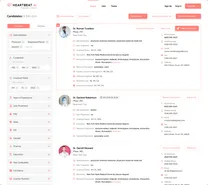
A typical record for this role may include the following fields:
- Director of Central Sterile Services name
- Location
- Contact numbers (work, cell, mobile)
- Email address
- Specialization
- Years of experience
- Sole proprietor status
- Licensed states
- License number
- Fax
- Address
Available Directors of Central Sterile Services by State
Access curated contact lists for Directors of Central Sterile Services across other states below.
| Director of Central Sterile Services by State |
|---|
| Director of central sterile services in Alabama |
| Director of central sterile services in Alaska |
| Director of central sterile services in Arizona |
| Director of central sterile services in Arkansas |
| Director of central sterile services in California |
| Director of central sterile services in Colorado |
| Director of central sterile services in Connecticut |
| Director of central sterile services in Delaware |
| Director of central sterile services in Florida |
| Director of central sterile services in Georgia |
| Director of central sterile services in Hawaii |
| Director of central sterile services in Idaho |
| Director of central sterile services in Illinois |
| Director of central sterile services in Indiana |
| Director of central sterile services in Iowa |
| Director of central sterile services in Kansas |
| Director of central sterile services in Kentucky |
| Director of central sterile services in Louisiana |
| Director of central sterile services in Maine |
| Director of central sterile services in Maryland |
| Director of central sterile services in Massachusetts |
| Director of central sterile services in Michigan |
| Director of central sterile services in Minnesota |
| Director of central sterile services in Mississippi |
| Director of central sterile services in Missouri |
| Director of central sterile services in Montana |
| Director of central sterile services in Nebraska |
| Director of central sterile services in Nevada |
| Director of central sterile services in New hampshire |
| Director of central sterile services in New jersey |
| Director of central sterile services in New mexico |
| Director of central sterile services in New york |
| Director of central sterile services in North carolina |
| Director of central sterile services in North dakota |
| Director of central sterile services in Ohio |
| Director of central sterile services in Oklahoma |
| Director of central sterile services in Oregon |
| Director of central sterile services in Pennsylvania |
| Director of central sterile services in Rhode island |
| Director of central sterile services in South carolina |
| Director of central sterile services in South dakota |
| Director of central sterile services in Tennessee |
| Director of central sterile services in Texas |
| Director of central sterile services in Utah |
| Director of central sterile services in Vermont |
| Director of central sterile services in Virginia |
| Director of central sterile services in Washington |
| Director of central sterile services in West virginia |
| Director of central sterile services in Wisconsin |
| Director of central sterile services in Wyoming |
How Heartbeat Compiles This Data
Heartbeat.ai says it aggregates healthcare provider contact data from official, private, and public sources and applies verification steps intended to keep contact details current. Check with the provider for details about its sources, verification methods, and data freshness.
No contact database can guarantee 100% accuracy at all times, since people change roles, facilities restructure departments, and phone numbers get reassigned. Treat any single record as a strong starting point for outreach, and verify directly when the contact is mission-critical, such as a final-round recruiting call.
Who Uses This Kind of Contact List
Beyond recruiters, these lists get used by marketing and sales teams selling into sterile processing departments, HR teams building talent pipelines, industry researchers, and professional associations coordinating outreach or continuing education. Any use of contact data should stay within applicable privacy and anti-spam regulations, particularly for email outreach.
Getting the Most Out of a Contact List Like This
A short checklist for outreach that actually gets responses:
- Lead with a specific, relevant reason for contact rather than a generic pitch.
- Default to email first for this role; it’s the format most sterile services directors expect for professional outreach.
- Keep messages short and reference the recipient’s actual facility or role, not a generic template.
- Respect opt-outs and unsubscribe requests immediately.
- Re-verify contact details periodically, especially for roles you’re tracking over a multi-month hiring cycle.
Bottom Line
Sourcing sterile processing leaders in Rhode Island may be challenging because the pool of people holding this specific title is limited. A filterable contact database may help narrow a search, but verify individual records before high-stakes outreach or hiring decisions.
Frequently Asked Questions
What are the responsibilities of a Director of Central Sterile Services in Rhode Island?
The role covers overseeing sterilization and distribution of medical supplies and equipment, ensuring compliance with infection-control regulations, managing sterile processing staff, and maintaining quality control and audit documentation.
What qualifications are typically required?
Employers generally look for a relevant degree, such as in healthcare administration or nursing, several years of sterile processing experience, and a sterile processing certification. Specific requirements vary by facility.
What does this role typically pay?
Compensation varies by facility size, experience level, and local market conditions. Candidates and employers should check current salary benchmarking sources for up-to-date figures rather than relying on a fixed range.