What’s on this page:
Key takeaways
- Specialist access in Texas varies by region, and the article describes rural-urban differences in access to endocrinologists.
- The article says provider directories can contain errors that make it difficult to reach specialists or confirm appointment availability.
- Heartbeat.ai says its contact records can be filtered by specialty and location and may include contact details and subspecialty information.
- Provider contact information can change, so the article recommends re-verifying important details before a campaign or hiring effort.
- Outreach should be tailored to the relevant subspecialty and comply with applicable privacy and communications requirements.
Last updated: August 31, 2026
Finding endocrinologists in Texas can be challenging because specialist access varies across the state. Recruiters, healthcare marketers, and networking professionals may also find it difficult to build an accurate outreach list.
Get an Endocrinologist Email List for Texas from Heartbeat
Heartbeat.ai says its contact database covers licensed healthcare professionals across the United States, including endocrinologists practicing in Texas. The company says users can filter by specialty, location, and other criteria to build a targeted list.
The database spans endocrinology subspecialties, including general endocrinologists, pediatric endocrinologists, reproductive endocrinologists, and endocrine surgeons — professionals who diagnose and manage hormone-related conditions.
Whether you’re expanding a healthcare network, sourcing candidates for a clinical role, or conducting outreach related to endocrine care, a contact list may reduce the time spent searching for contact details. Verify important information before relying on it.
Endocrinology Access in Texas: What the Research Shows
Texas is a large state with significant rural-urban disparities in specialist access. Research on physician deserts in Texas found a significant deficiency of cardiologists in 196 counties when considering a maximum reasonable travel distance of 50 miles, with comparable deficiencies observed for pulmonologists and endocrinologists, concentrated in western rural counties.
These gaps aren’t just theoretical. A study assessing Texas ACA marketplace access found that consumers had difficulty accessing cardiologists and endocrinologists due to directory errors and inability to connect with providers, with over a third of calls failing to reach anyone who could verify appointment availability. That kind of friction is exactly what a current, verified contact list is meant to reduce — for patients trying to reach a provider’s office, and for anyone in healthcare outreach trying to reach the provider directly.
Researchers studying these disparities suggest that addressing them could reduce health inequities and improve rural healthcare access, with solutions including incentives for specialists to work in underserved areas and expanded telemedicine services. For recruiters and healthcare organizations, this shortage context matters: filling an endocrinology role in an underserved Texas county is a different challenge than filling one in Dallas or Houston, and outreach lists that separate providers by region make that distinction easier to work with.
Why Accurate Contact Information Matters
Outdated or incomplete contact information can delay outreach. A recruiter may spend time following up on a disconnected number, and a marketing team may encounter bounced emails. The ACA marketplace study described above reported difficulty reaching providers and verifying appointment availability; such directory problems can make it harder for patients to connect with a specialist.
- For hiring: precise contact details cut down on wasted follow-up and speed up time-to-hire for open endocrinology positions.
- For networking: direct lines make it easier for physicians, researchers, and clinical partners to exchange information without going through office gatekeepers for every interaction.
- For outreach and marketing: accurate segmentation by specialty and location means messages reach the providers who are actually relevant to the offer.
Common Challenges in Sourcing Texas Endocrinologists
A few recurring problems show up when building outreach or recruitment lists for this specialty in Texas:
- Uneven distribution. Specialists cluster in metro areas — Houston, Dallas-Fort Worth, San Antonio, Austin — leaving large rural stretches with limited or no local access.
- Directory errors. Public and payer directories are frequently out of date, listing providers who have relocated, retired, or changed practices.
- Limited specialization detail. General directories rarely distinguish between subspecialties like pediatric or reproductive endocrinology, which matters if you’re targeting a specific niche.
- Appointment and outreach friction. High demand in urban centers means front-office staff are harder to reach, which slows down both patient scheduling and B2B outreach attempts.
Telemedicine is one approach to addressing geographic gaps in care. Updated provider databases that include direct contact details may also help reduce some outreach friction, though contact information should be verified.
What a Heartbeat Contact List Includes
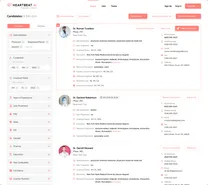
Heartbeat.ai says its Texas endocrinologist contact records can include the following details for recruiters and outreach teams:
- Endocrinologist name
- Location
- Contact numbers (work, cell, mobile)
- Email address
- Specialization
- Years of experience
- Sole proprietor status
- Licensed states
- License number
- Fax
- Address
Endocrinologist Contact Lists by State
Browse endocrinologist contact listings for other states below.
| Endocrinologists by states |
|---|
| Endocrinologists in Alabama |
| Endocrinologists in Alaska |
| Endocrinologists in Arizona |
| Endocrinologists in Arkansas |
| Endocrinologists in California |
| Endocrinologists in Colorado |
| Endocrinologists in Connecticut |
| Endocrinologists in Delaware |
| Endocrinologists in Florida |
| Endocrinologists in Georgia |
| Endocrinologists in Hawaii |
| Endocrinologists in Idaho |
| Endocrinologists in Illinois |
| Endocrinologists in Indiana |
| Endocrinologists in Iowa |
| Endocrinologists in Kansas |
| Endocrinologists in Kentucky |
| Endocrinologists in Louisiana |
| Endocrinologists in Maine |
| Endocrinologists in Maryland |
| Endocrinologists in Massachusetts |
| Endocrinologists in Michigan |
| Endocrinologists in Minnesota |
| Endocrinologists in Mississippi |
| Endocrinologists in Missouri |
| Endocrinologists in Montana |
| Endocrinologists in Nebraska |
| Endocrinologists in Nevada |
| Endocrinologists in New hampshire |
| Endocrinologists in New jersey |
| Endocrinologists in New mexico |
| Endocrinologists in New york |
| Endocrinologists in North carolina |
| Endocrinologists in North dakota |
| Endocrinologists in Ohio |
| Endocrinologists in Oklahoma |
| Endocrinologists in Oregon |
| Endocrinologists in Pennsylvania |
| Endocrinologists in Rhode island |
| Endocrinologists in South carolina |
| Endocrinologists in South dakota |
| Endocrinologists in Tennessee |
| Endocrinologists in Texas |
| Endocrinologists in Utah |
| Endocrinologists in Vermont |
| Endocrinologists in Virginia |
| Endocrinologists in Washington |
| Endocrinologists in West virginia |
| Endocrinologists in Wisconsin |
| Endocrinologists in Wyoming |
How the Data Is Compiled
Heartbeat.ai says it compiles contact records from official, private, and public sources and uses verification and modeling steps to keep entries current. Provider information can change as practices merge, physicians relocate, or contact details shift. No database can guarantee perfect accuracy at every moment, so re-verify critical contacts before a major campaign or hiring push.
Who Uses an Endocrinologist Contact List
These lists may be used by healthcare staffing agencies, medical device or pharmaceutical companies, research teams, and professional associations. Follow applicable privacy and communications laws, and obtain consent where required. A contact list is a starting point for outreach, not permission to contact everyone on it without restriction.
Using the List Effectively
These guidelines can help make outreach more focused and respectful of clinicians’ schedules:
- Keep messages short and specific — lead with why you’re reaching out and what you’re asking for.
- Segment by subspecialty when relevant; a pediatric endocrinologist and a reproductive endocrinologist have different priorities.
- Time outreach around predictable low-demand periods rather than during clinic hours when possible.
- Follow healthcare privacy and communication regulations relevant to your use case, and keep records of consent where required.
Frequently Asked Questions
How do I find a reputable endocrinologist in Texas?
Start with a recommendation from a primary care physician, check reviews, or confirm in-network specialists through an insurance provider’s directory.
What conditions do endocrinologists in Texas commonly treat?
Endocrinologists commonly treat diabetes, thyroid disorders, hormonal imbalances, and bone metabolism conditions like osteoporosis.
Are there specialized endocrinologists in Texas for specific conditions?
Yes — subspecialties include pediatric endocrinology, reproductive endocrinology, and adrenal or endocrine surgical care.