What’s on this page:
Key takeaways
- California sleep medicine specialists work across academic medical centers, community hospitals, independent practices, sleep labs, and telehealth settings.
- Providers may have backgrounds in several disciplines, so a single-specialty directory may not capture every relevant professional.
- Outdated contact details can hinder recruiting, referral coordination, research, and professional outreach.
- Provider databases can help organize searches by specialization, location, or license status, but their coverage and contact details should be checked.
- Verify contact information before high-stakes outreach and follow applicable privacy and communication rules.
Last updated: August 30, 2026
Sleep medicine specialists diagnose and treat disorders such as insomnia, sleep apnea, and narcolepsy. In California, they work across a large, geographically spread-out healthcare system. Recruiters, healthcare marketers, and organizations building referral networks may find it difficult to obtain accurate, current contact information for these specialists.
This guide describes where sleep medicine care is offered in California, why outdated contact data can create problems for recruitment and networking, and how a provider database such as Heartbeat’s may help organize the search.
Sleep Medicine Care in California
The UCLA Sleep Disorders Center is a recognized leader in sleep medicine and sleep research, with a sleep medicine team that includes experts in neurology, pulmonology, psychiatry, pediatric sleep disorders, otolaryngology, dentistry, bariatrics and nutrition. Specialists there conduct overnight sleep studies in a facility with private bedrooms and pediatric-friendly accommodations, and the program is accredited by the American Academy of Sleep Medicine.
Stanford Health Care’s Sleep Medicine Center provides comprehensive care for all types of sleep disorders, with a multispecialty team offering advanced behavioral and medical approaches. The clinic operates three specialty clinics tailored to patients with insomnia, narcolepsy, and restless legs syndrome.
UC San Diego Health’s Sleep Medicine Center provides a full spectrum of advanced diagnostic and therapeutic services, including sleep studies that measure specific sleep aspects to help diagnose disorders. The center also offers Cognitive Behavioral Therapy for Insomnia (CBT-I), described as the main therapy for insomnia disorders and preferred over medications as a first step.
Beyond these academic medical centers, sleep medicine in California is practiced by professionals with backgrounds in pulmonology, neurology, psychiatry, dentistry, and psychology, including those working in community hospitals, independent sleep labs, and telehealth practices. Because providers are spread across disciplines and care settings, building a reliable contact list can be difficult.
Why Accurate Contact Data Matters
Outdated or incorrect contact information causes different problems depending on who is looking for it:
- Recruiters lose time chasing disconnected numbers or bounced emails, and may lose a strong candidate to a competing offer simply because outreach was delayed.
- Healthcare marketers waste budget on campaigns that never reach the intended specialist inbox.
- Referring clinicians and care coordinators need working numbers to route patients to the right specialist without unnecessary delay.
- Researchers and professional associations rely on verified contacts to reach practicing specialists for surveys, continuing education outreach, or collaboration.
Common Obstacles to Finding Sleep Medicine Specialists in California
A few structural issues make this specialty harder to source than more common ones:
- Uneven distribution. Sleep medicine credentialing is less common than primary care or general specialties, so qualified providers cluster around major metro areas and academic centers, leaving gaps in smaller markets.
- Multiple credential paths. Sleep medicine specialists come from neurology, pulmonology, psychiatry, and psychology backgrounds, so a single-specialty directory often misses providers who are technically sleep specialists but licensed under a different primary specialty.
- Staff and practice turnover. Contact details in public directories go stale as providers change practices, move between health systems, or shift from in-person to telehealth models.
- Fragmented public sources. Hospital websites, state licensing boards, and NPI registries each hold partial information, and cross-referencing them manually is slow.
Telemedicine can let patients consult sleep specialists without traveling to a physical sleep lab, while digital tools can support remote monitoring and follow-up. For recruiters and marketers, a regularly refreshed provider database may make it easier to organize contact information than piecing it together from scattered sources.
What a Heartbeat Sleep Medicine Specialist Contact List Includes
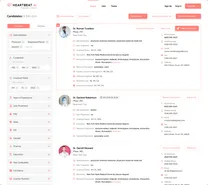
Heartbeat says its database covers healthcare providers across specialties and states, including sleep medicine roles such as sleep technologists, pediatric sleep specialists, behavioral sleep medicine specialists, and cognitive behavioral therapists for insomnia. Typical fields available for each contact include:
- Sleep medicine specialist name
- Location
- Contact numbers (work, cell, mobile)
- Email address
- Specialization
- Years of experience
- Sole proprietor status
- Licensed states
- License number
- Fax
- Address
Filters let users narrow results by specialization, location, or license status. These options may help identify a specific type of provider, such as a pediatric sleep specialist in a particular metro area, rather than a broad list of providers tagged "sleep medicine."
 Accuracy & coverage of personal contact info were unrivaled by other platforms… this gives any healthcare recruiter a competitive advantage when engaging hard-to-reach healthcare providers.
Senior Growth Strategist






Sleep Medicine Specialist Contacts, State by State
Heartbeat says it maintains sleep medicine specialist contact data across all 50 states, which may be useful for recruiting or outreach across multiple regions.
| Sleep medicine specialists by states |
|---|
| Sleep medicine specialists in Alabama |
| Sleep medicine specialists in Alaska |
| Sleep medicine specialists in Arizona |
| Sleep medicine specialists in Arkansas |
| Sleep medicine specialists in California |
| Sleep medicine specialists in Colorado |
| Sleep medicine specialists in Connecticut |
| Sleep medicine specialists in Delaware |
| Sleep medicine specialists in Florida |
| Sleep medicine specialists in Georgia |
| Sleep medicine specialists in Hawaii |
| Sleep medicine specialists in Idaho |
| Sleep medicine specialists in Illinois |
| Sleep medicine specialists in Indiana |
| Sleep medicine specialists in Iowa |
| Sleep medicine specialists in Kansas |
| Sleep medicine specialists in Kentucky |
| Sleep medicine specialists in Louisiana |
| Sleep medicine specialists in Maine |
| Sleep medicine specialists in Maryland |
| Sleep medicine specialists in Massachusetts |
| Sleep medicine specialists in Michigan |
| Sleep medicine specialists in Minnesota |
| Sleep medicine specialists in Mississippi |
| Sleep medicine specialists in Missouri |
| Sleep medicine specialists in Montana |
| Sleep medicine specialists in Nebraska |
| Sleep medicine specialists in Nevada |
| Sleep medicine specialists in New hampshire |
| Sleep medicine specialists in New jersey |
| Sleep medicine specialists in New mexico |
| Sleep medicine specialists in New york |
| Sleep medicine specialists in North carolina |
| Sleep medicine specialists in North dakota |
| Sleep medicine specialists in Ohio |
| Sleep medicine specialists in Oklahoma |
| Sleep medicine specialists in Oregon |
| Sleep medicine specialists in Pennsylvania |
| Sleep medicine specialists in Rhode island |
| Sleep medicine specialists in South carolina |
| Sleep medicine specialists in South dakota |
| Sleep medicine specialists in Tennessee |
| Sleep medicine specialists in Texas |
| Sleep medicine specialists in Utah |
| Sleep medicine specialists in Vermont |
| Sleep medicine specialists in Virginia |
| Sleep medicine specialists in Washington |
| Sleep medicine specialists in West virginia |
| Sleep medicine specialists in Wisconsin |
| Sleep medicine specialists in Wyoming |
How the Data Is Compiled
Heartbeat says it aggregates provider information from official, private, and public sources and cross-references records to reduce duplication and flag outdated entries. Records may include direct cell numbers and personal email addresses alongside professional details such as specialty and license status. Verify contact details before relying on them for important outreach.
No provider database is perfect: practice changes, retirements, and new licensure can happen faster than directories update. Treat purchased contact data as a starting point, then verify details directly before high-stakes outreach, such as a formal job offer.
Choosing a Data Source: What to Check Before You Buy
- Coverage breadth. Does the provider list include sleep medicine roles specifically, or only broad specialty categories that might miss niche credentials?
- Refresh frequency. Ask how often records are updated, since sleep medicine practices see the same staff turnover as any other specialty.
- Filtering options. Can you segment by state, specialization, license status, or years of experience, rather than downloading an unfiltered list?
- Contact type. Direct cell numbers and personal emails tend to get better response rates than general office lines.
- Compliance support. Confirm the provider’s terms address permitted use under applicable privacy and communication regulations.
Who Uses Sleep Medicine Specialist Contact Lists
Healthcare recruiters may use these lists to source candidates for open sleep medicine roles. Marketing and advertising teams may use them for relevant campaigns, while research institutions and professional associations may use them for surveys and outreach. Nonprofits may use them for fundraising campaigns tied to sleep health initiatives. Any use should comply with applicable privacy and data protection rules, and outreach should be professional and relevant to the recipient’s practice.
Using the List Effectively
A few practical guidelines apply regardless of why you’re reaching out:
- Keep messages concise and state your purpose in the first sentence.
- Segment outreach by specialization so a pediatric sleep specialist isn’t getting a message written for an adult-focused practice.
- Respect time zones and standard business hours for phone outreach.
- Avoid repeated unsolicited contact if there’s no response after a reasonable number of attempts.
- Keep any claims about job opportunities, products, or services accurate and verifiable.
Bottom Line
California’s sleep medicine specialists work across academic medical centers, community hospitals, and independent practices, which can make manual list-building slow and error-prone. A maintained, filterable database may help organize that work, but contact details should still be verified before critical outreach, such as recruiting communications or contract offers.
Frequently Asked Questions
What is sleep medicine?
Sleep medicine is a medical specialty focused on diagnosing and treating sleep disorders such as insomnia, sleep apnea, narcolepsy, and restless leg syndrome.
What do sleep medicine specialists do?
Sleep medicine specialists are trained to evaluate and manage sleep disorders. Depending on their background, they may come from neurology, pulmonology, psychiatry, or psychology, and they often work as part of a multidisciplinary team.
How can I find a sleep medicine specialist in California?
Options include asking for a referral from a primary care physician, contacting sleep centers at academic medical systems like Stanford, UCLA, or UC San Diego directly, or using a verified provider database to identify specialists by location and specialization.